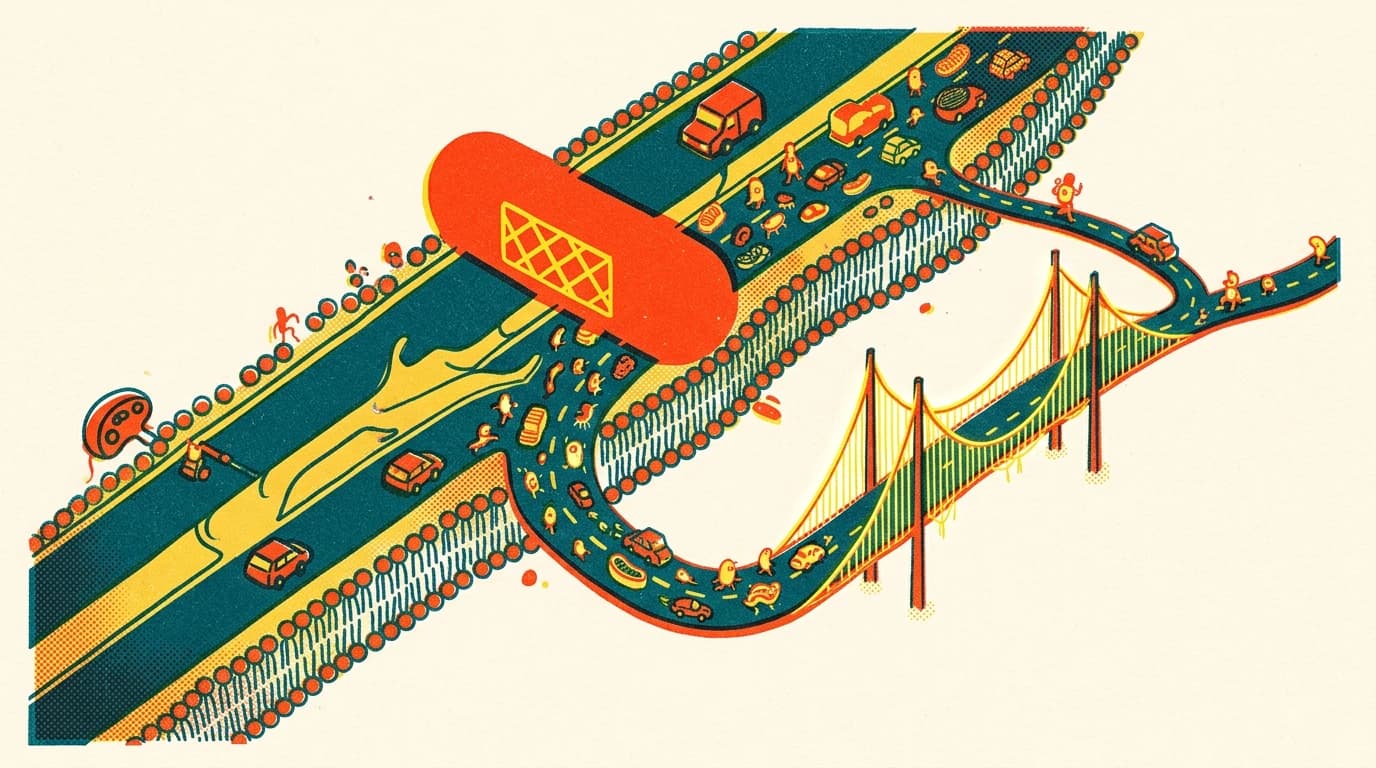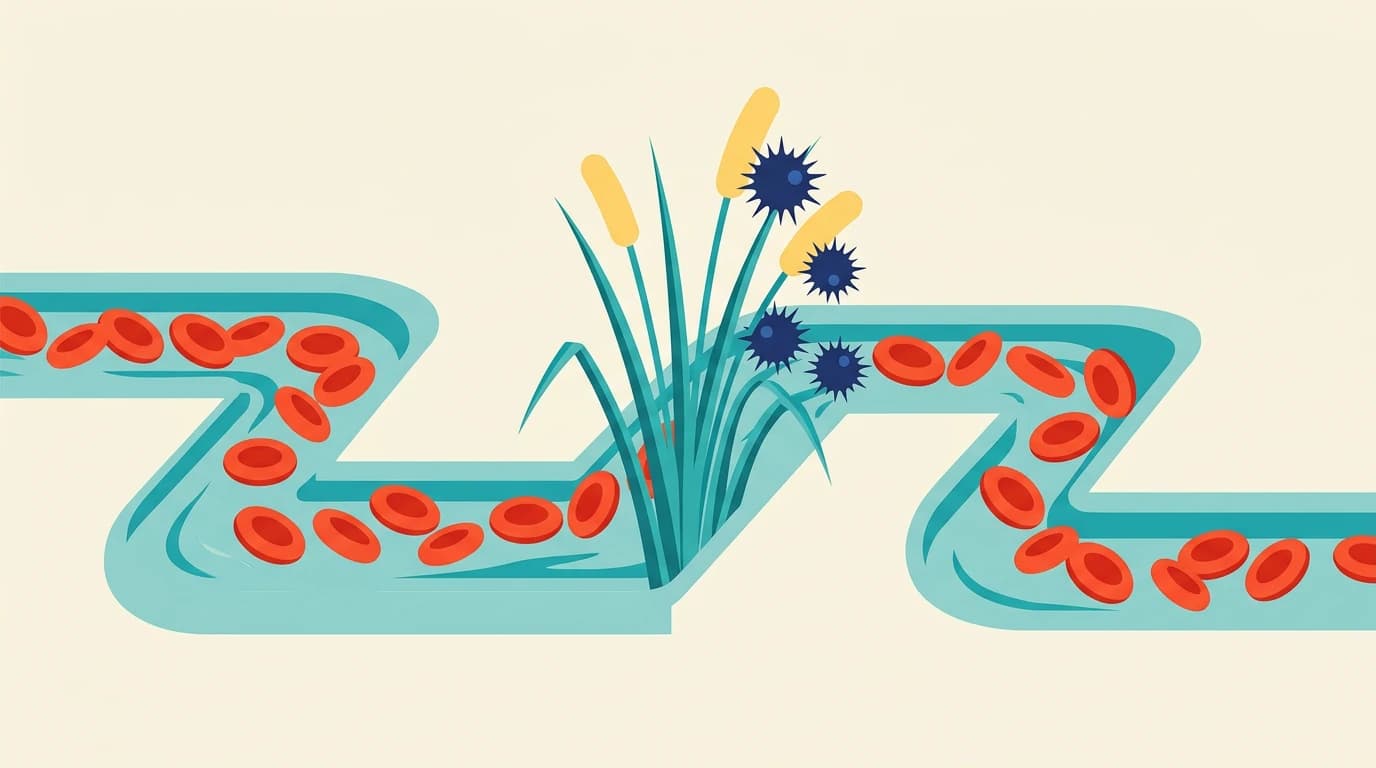
How a tiny blood filter traps runaway circulating tumour cells in mice
A microfluidic blood-filtering device captured circulating tumour cells in mice, reducing post-surgery cancer recurrence and boosting survival over 28 days.
From the archive
A microfluidic blood-filtering device captured circulating tumour cells in mice, reducing post-surgery cancer recurrence and boosting survival over 28 days.


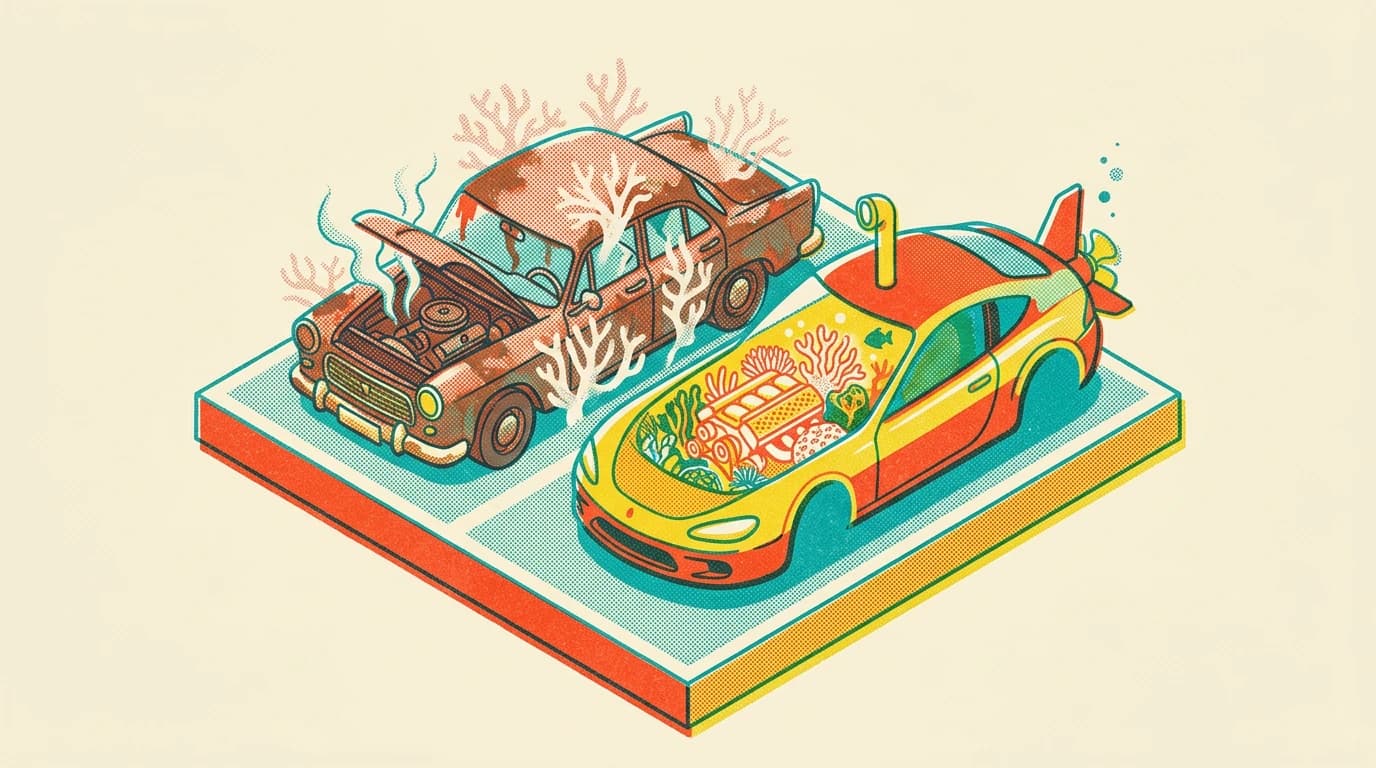
A modelling study of the Great Barrier Reef shows that tracking reef health, rather than just location, completely changes which areas need urgent protection.

A new framework embeds invisible digital stamps that survive harmless image tweaks but tear apart when malicious deepfakes occur. In tests on facial datasets, it beat existing methods by over 4.5%.

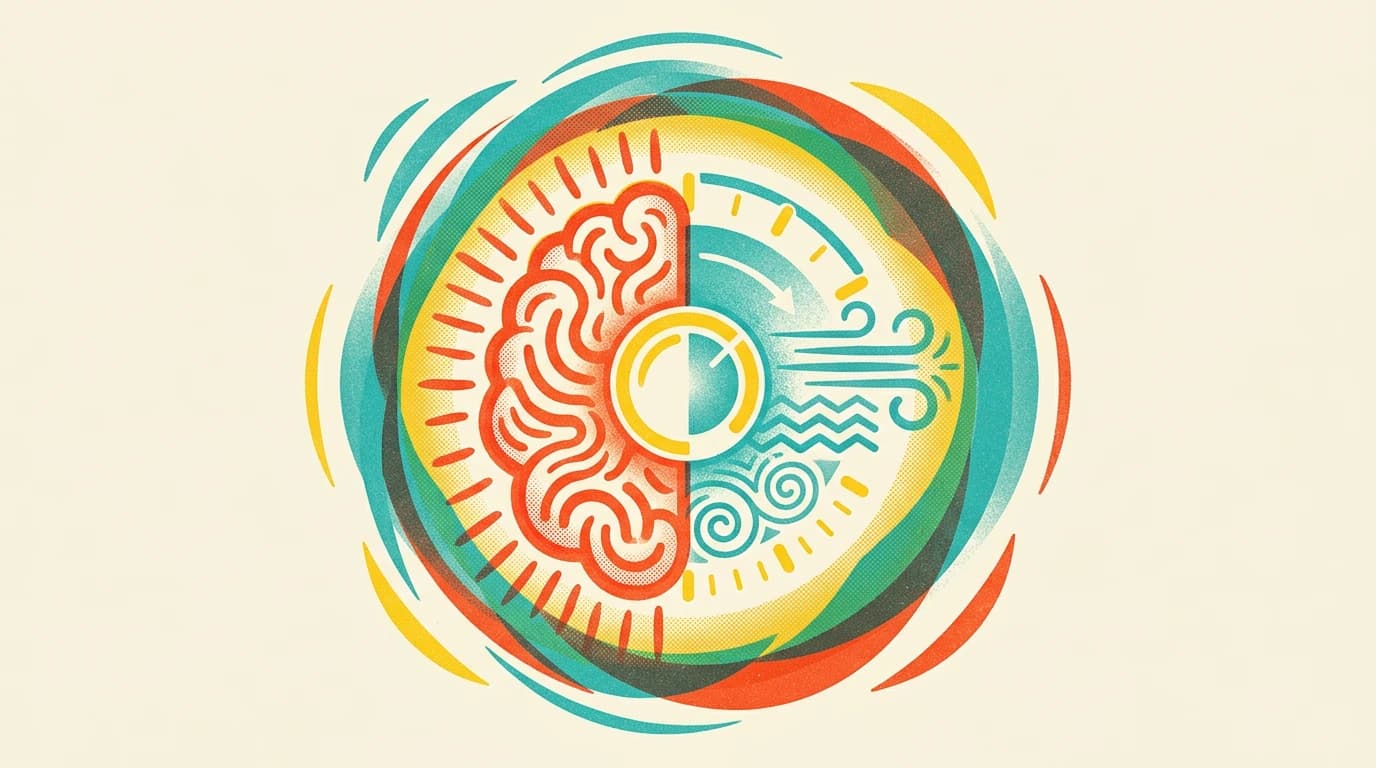
Scientists combined data from thousands of stroke patients and 100 healthy adults to map potential scalp targets for gentle brain pulses across eight conditions.

Researchers reviewing transient food packaging describe how adding tiny nanomaterials to natural polymers can block spoilage and later trigger the wrapper to safely dissolve away.

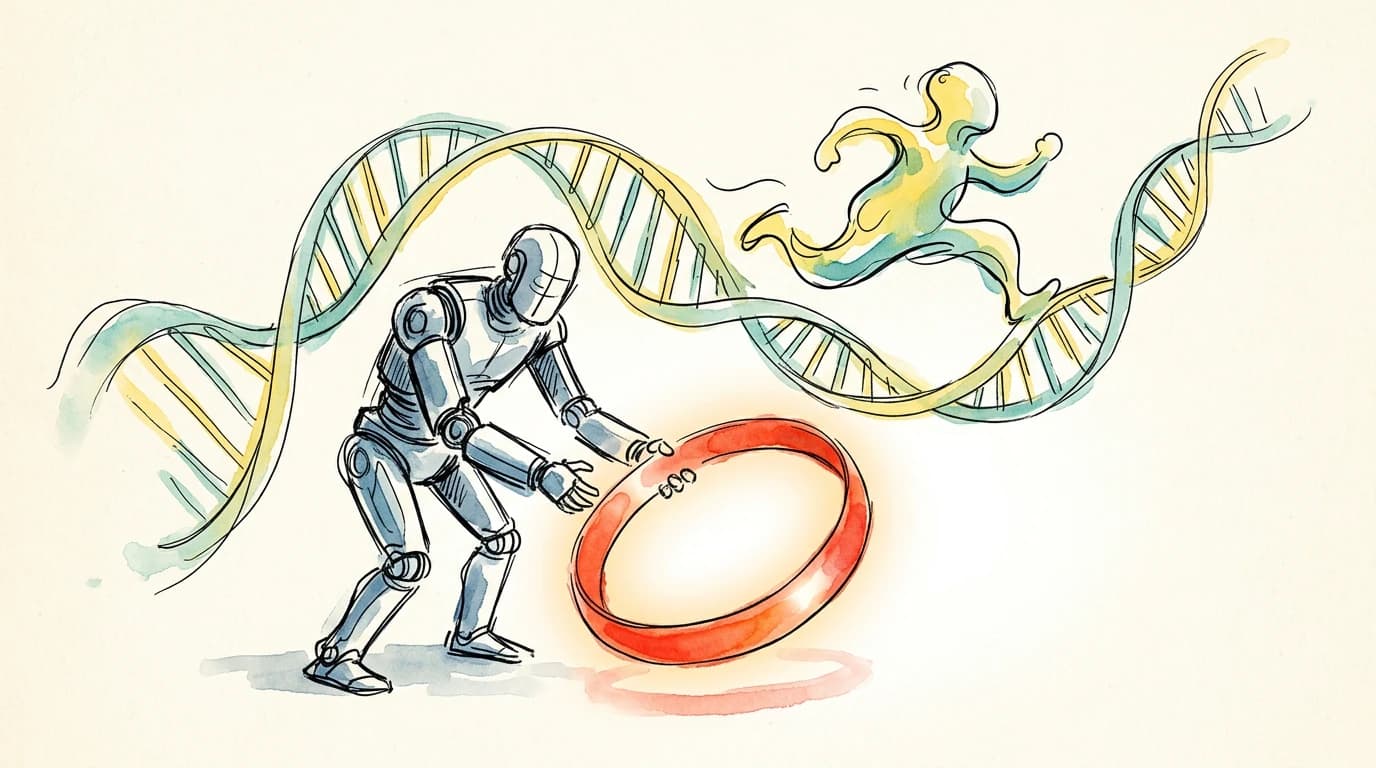
A loop of non-coding RNA directly docks onto DNA and hijacks a key enzyme brake, switching on hundreds of genes that fuel pancreatic cancer.

A review of non-invasive brain-computer interfaces shows they may help manage chronic pain by training or altering neural signals. These tools are meant to work alongside existing therapies rather than replace them outright.

A review of nine studies found that generative AI can draft accurate physical recovery plans, matching expert opinion up to 98.75% after review. However, models still invent false medical details, meaning clinicians must oversee every plan.

When cancer cells adapt to survive therapies, their biological workarounds create distinct new dependencies. Researchers have mapped how these survival pathways can expose tumours to targeted follow-up treatments.

A review of materials chemistry explores how chitosan hydrogels can stick inside infected gum pockets to release medicines and encourage tissue repair on demand.

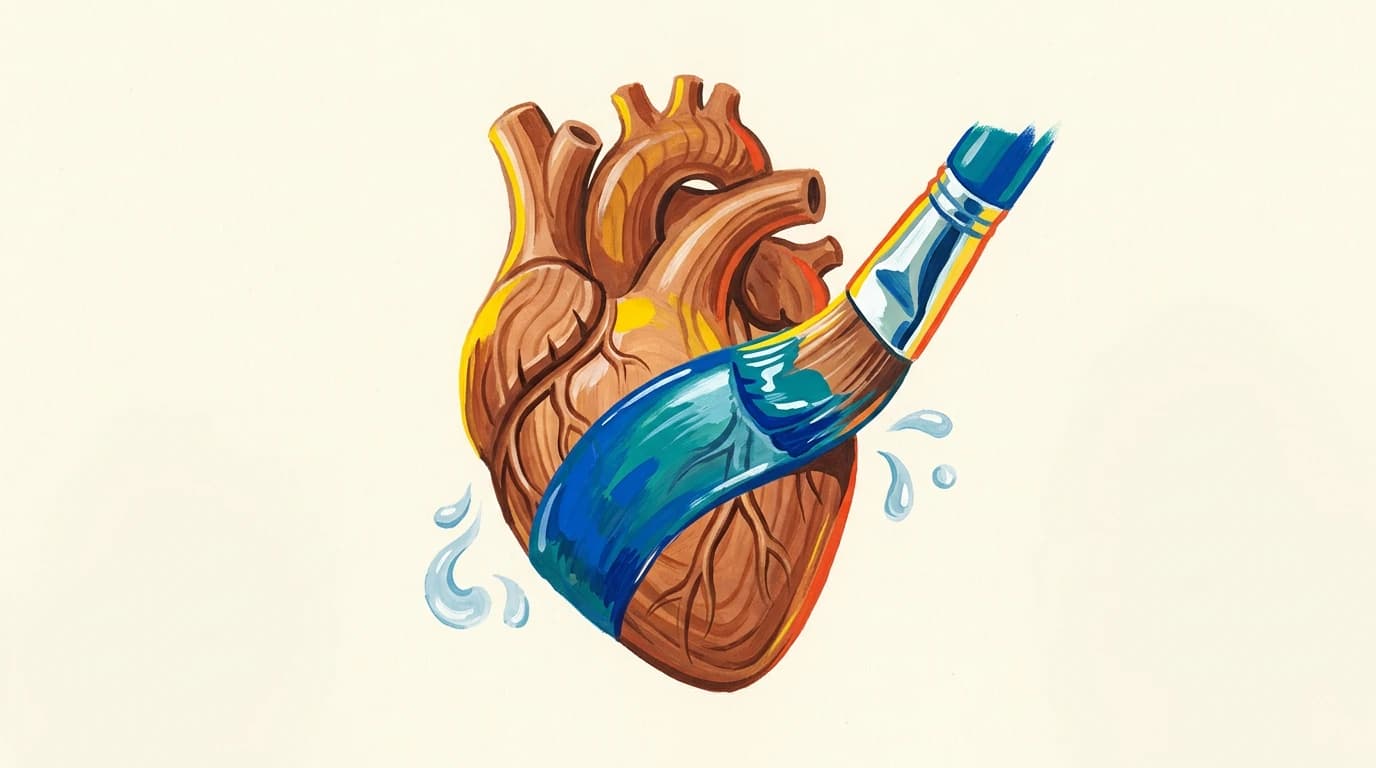
A review of trials with over 38,000 patients found that semaglutide was linked to a 17% lower relative risk of cardiovascular death. The pattern held whether patients took a pill or a shot, and whether they had diabetes or not.

A review of 30 studies shows that resting-state fMRI scans taken within 28 days of severe brain injury are consistently linked to a patient's recovery up to a year later.

A study across Costa Rican mountain gardens shows bee diversity peaks halfway up the slopes, while high-altitude bees form tighter, more shared plant networks.

A qualitative study explored how 20 young people experienced an internet-based trauma therapy programme paired with remote therapist guidance.

A comprehensive review reveals that atherosclerosis involves rogue muscle cells, immune memory, and gut microbes, explaining why lowering cholesterol alone leaves substantial disease behind.

Planting trees in towns can support declining moths, but only if planners design for tree age, variety, and connected green spaces rather than just adding canopy cover.

A review of African health studies finds that 9% of tested patients had a Schistosoma Salmonella coinfection. Lab tests show the flatworms can shield germs from standard drugs.

A study in Jimma, Ethiopia, shows that four threatened vulture species gather at urban waste sites, especially during the wet season, but face deadly risks from electric lines.

Across 25 forest sites in the United States, chemical imbalances in the canopy predicted the timing of autumn leaf fall better than local climate alone.