How a brain computer interface could help soothe chronic pain
A review of non-invasive brain-computer interfaces shows they may help manage chronic pain by training or altering neural signals. These tools are meant to work alongside existing therapies rather than replace them outright.
Reading level
The full story with proper science words explained.
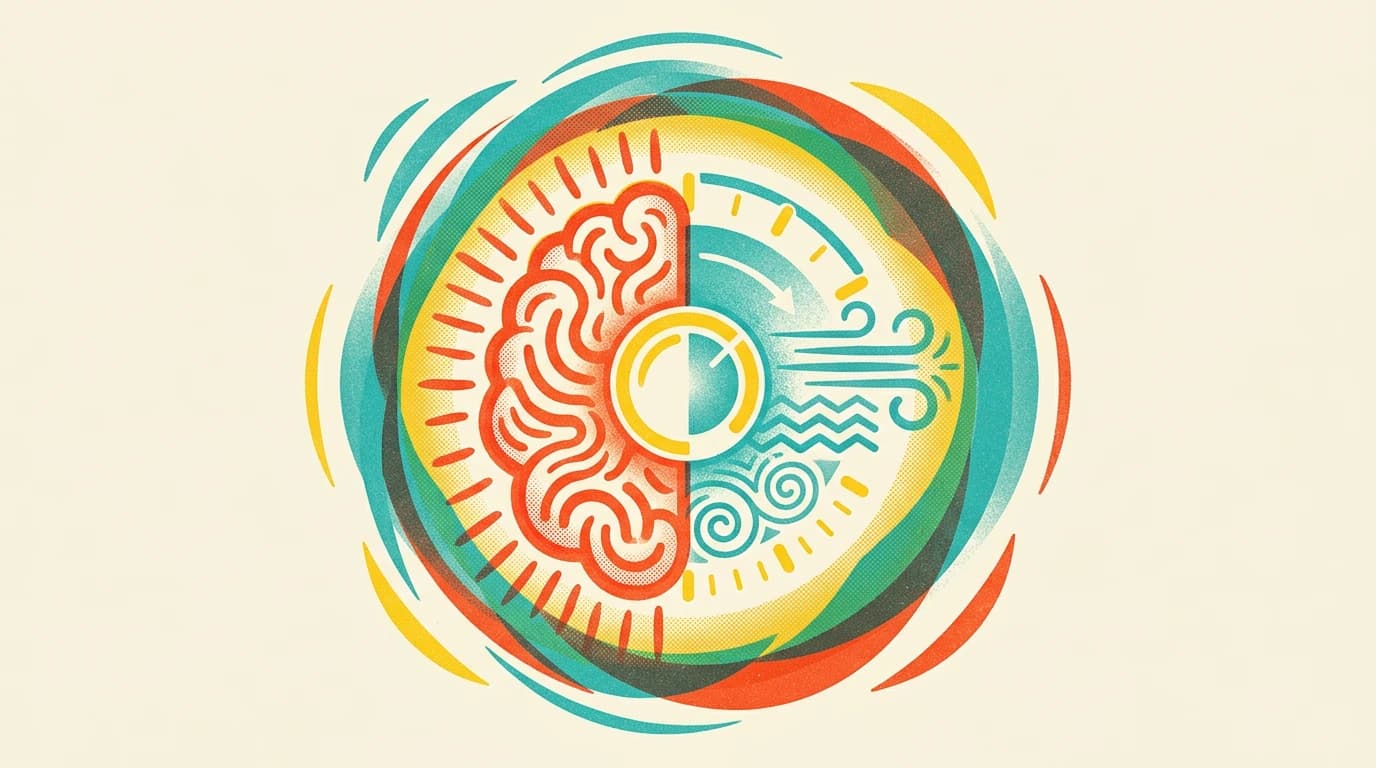
Training the brain to dial down pain
Pain warns us of danger, but chronic pain stays long after tissue heals. Standard pain care relies heavily on strong drugs. These drugs bring risks like opioid complications and often fail to give good relief over long periods. Experts want safer paths to help people cope. They are testing how a brain computer interface can change the faulty brain firing that keeps pain alive.
How sensors track pain signals
A brain computer interface reads brain signals from outside the head without any cuts into the skin. One common tool is scalp EEG, which uses small head sensors to catch tiny nerve pulses. Another option is real-time fMRI, a large scanner that tracks blood flow changes across the brain. These sensors detect oscillatory activity, which means the rhythmic pulses made by large groups of firing brain cells. Some setups even detect very slow rhythms, called infraslow-frequency waves, or track theta bands.
Next, the setup shares these signals with the patient or a smart machine. One approach is neurofeedback, where patients see their live brain waves on a screen and try mental tricks to shift them. Other setups trigger a gentle buzz against the skin when certain waves appear. A more direct setup uses closed-loop neuromodulation, an automated system that senses a pain pattern and sends a soothing signal to disrupt it right away. This method matters because it gives patients non-drug options to calm their pain networks. Doctors plan to use these tools as supportive extras alongside regular care, not as total cures.
What we still do not know
This line of work remains in an early stage. Better software does not automatically lead to better health for patients. Most trials have not tested enough people against dummy sham setups, so we do not know if relief lasts over time. We also need patient stratification, which means sorting people into subgroups to see who benefits most. Finally, makers must clear health rules, arrange insurance pay, and protect user data on wearable devices.
Science words
- Brain-computer interface
- A system that records brain activity and translates it into outputs or feedback to adjust neural function.
- Scalp EEG
- A non-invasive method that measures electrical activity using sensors placed on the scalp.
- fMRI
- A brain-scanning technique that tracks activity by measuring changes in blood flow.
- Oscillatory activity
- Rhythmic, repeating electrical waves produced by groups of brain cells.
- Neurofeedback
- Showing a person their real-time brain activity so they can practice altering it.
- Closed-loop neuromodulation
- A system that reads brain signals and automatically delivers responsive stimulation to adjust them.
Check it yourself
This story is based on a real research paper in Expert Review of Neurotherapeutics by Rustamov. We write with AI help and check it against the paper, but the original is the final word.