Top storyEnvironmental SciencePreprint2 min read
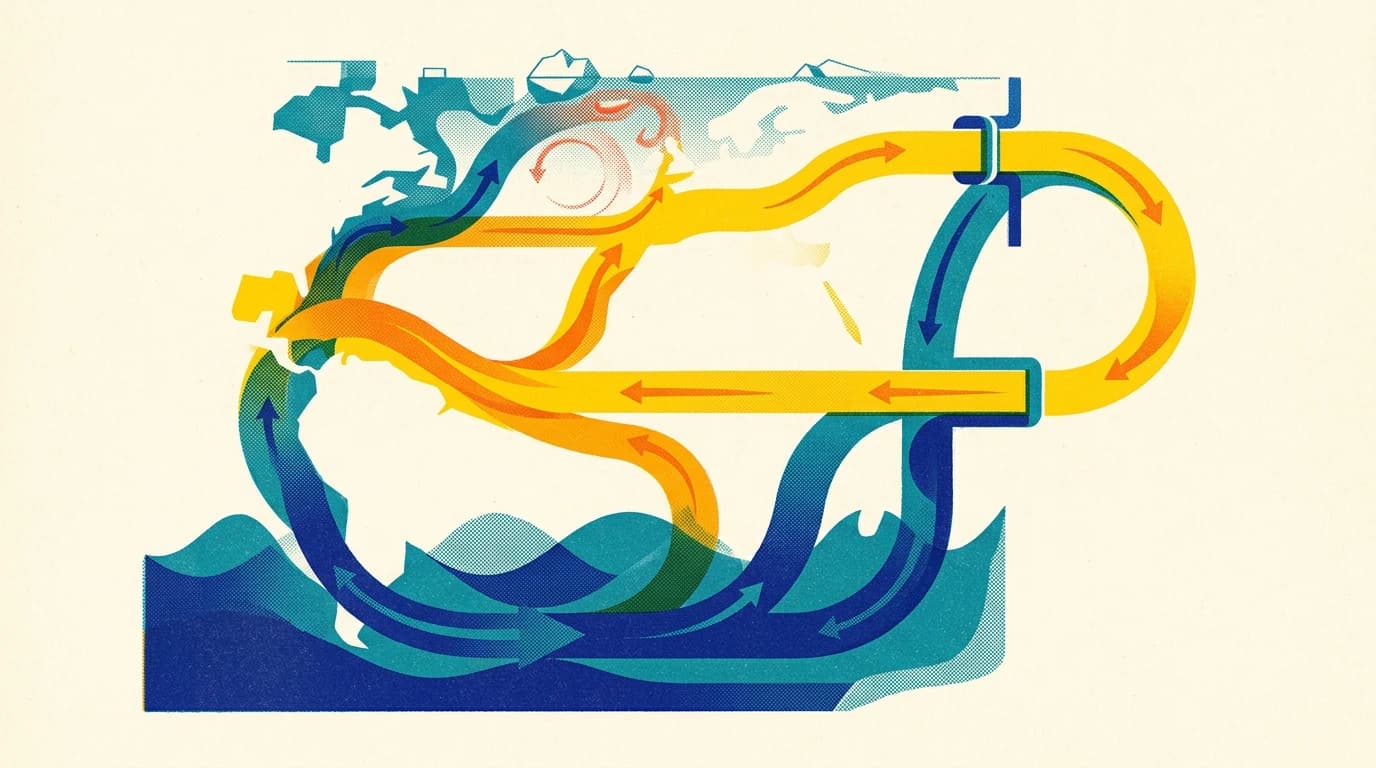
Why the Atlantic conveyor belt is losing its power
Measurements show that the northern Atlantic has lost roughly 18% less surface heat since 1985, causing a key ocean current system to slow down.
From the archive
Measurements show that the northern Atlantic has lost roughly 18% less surface heat since 1985, causing a key ocean current system to slow down.
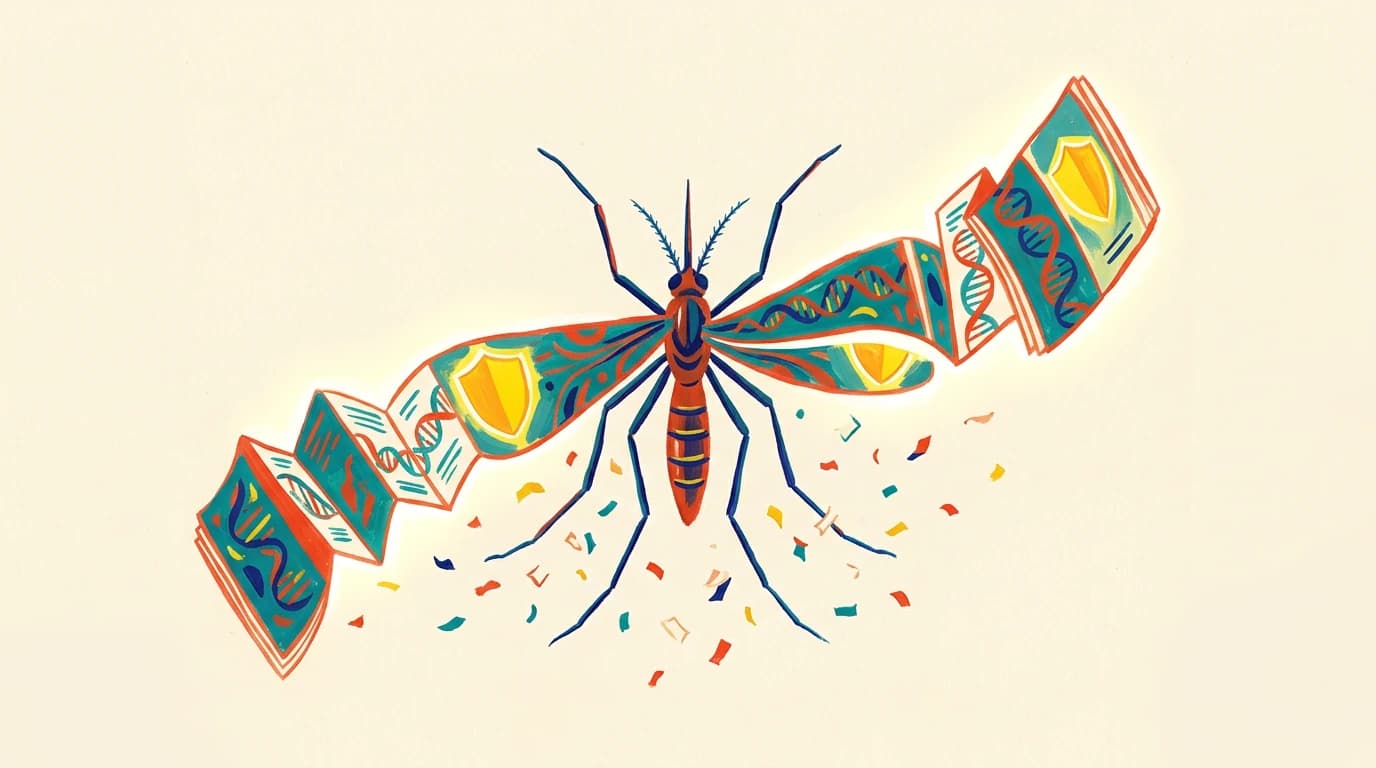
Using long-read DNA sequencing on wild mosquitoes revealed over 250,000 hidden structural changes in their genome, including 56 major mutations linked to insecticide resistance.
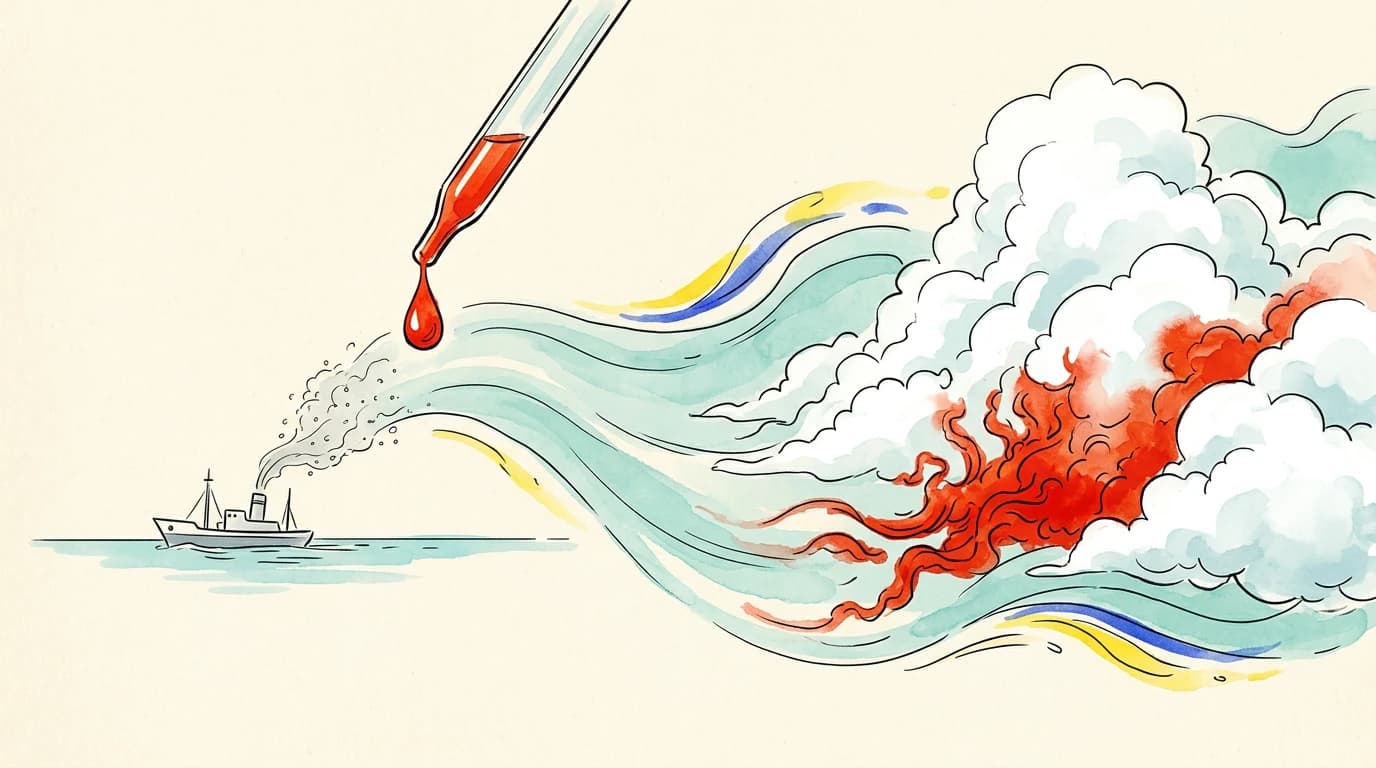
Marine clouds do not react to pollution straight away; their cover peaks a day later and hundreds of kilometres downwind. This delay reshapes how scientists calculate cloud cooling effects.
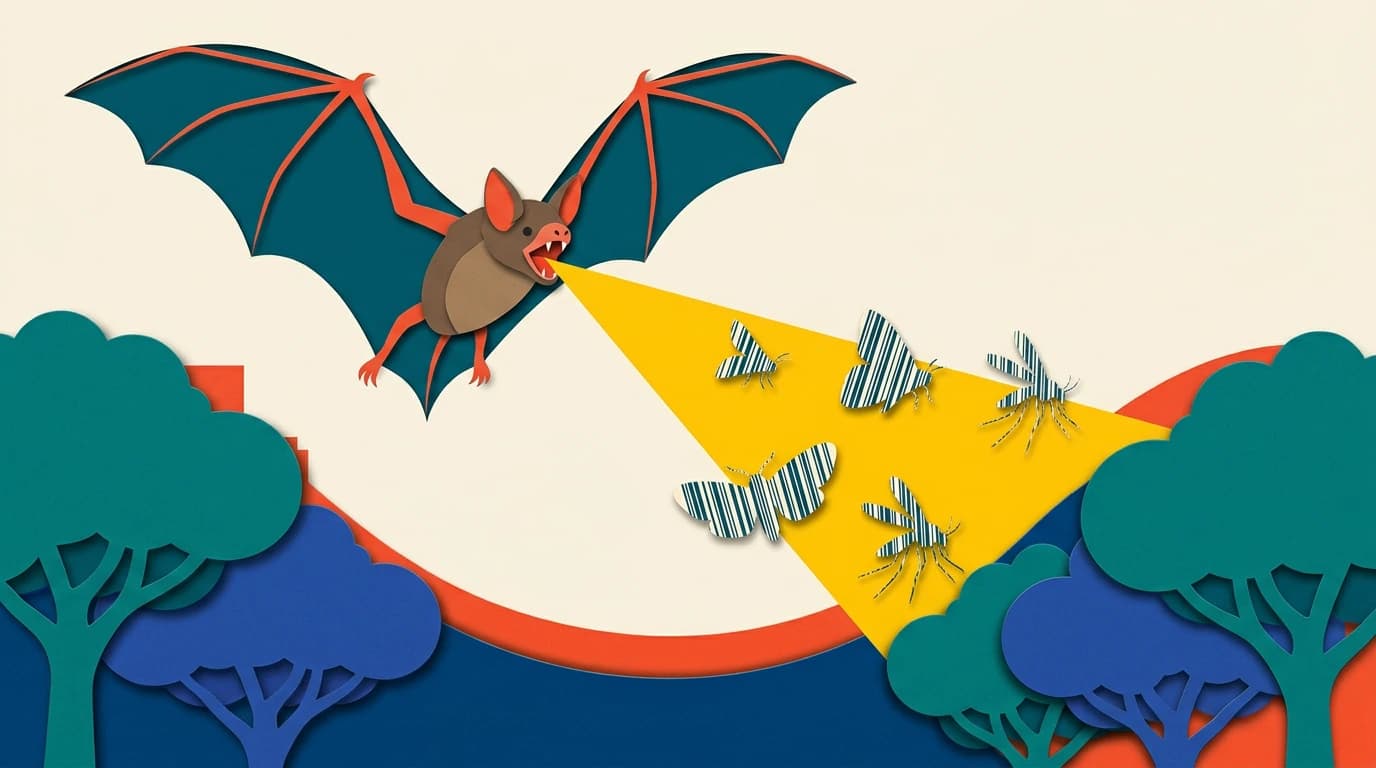
By analysing bat droppings in an urban park, researchers found that bats feed on nearly two hundred types of insects, including plant pests and disease carriers.
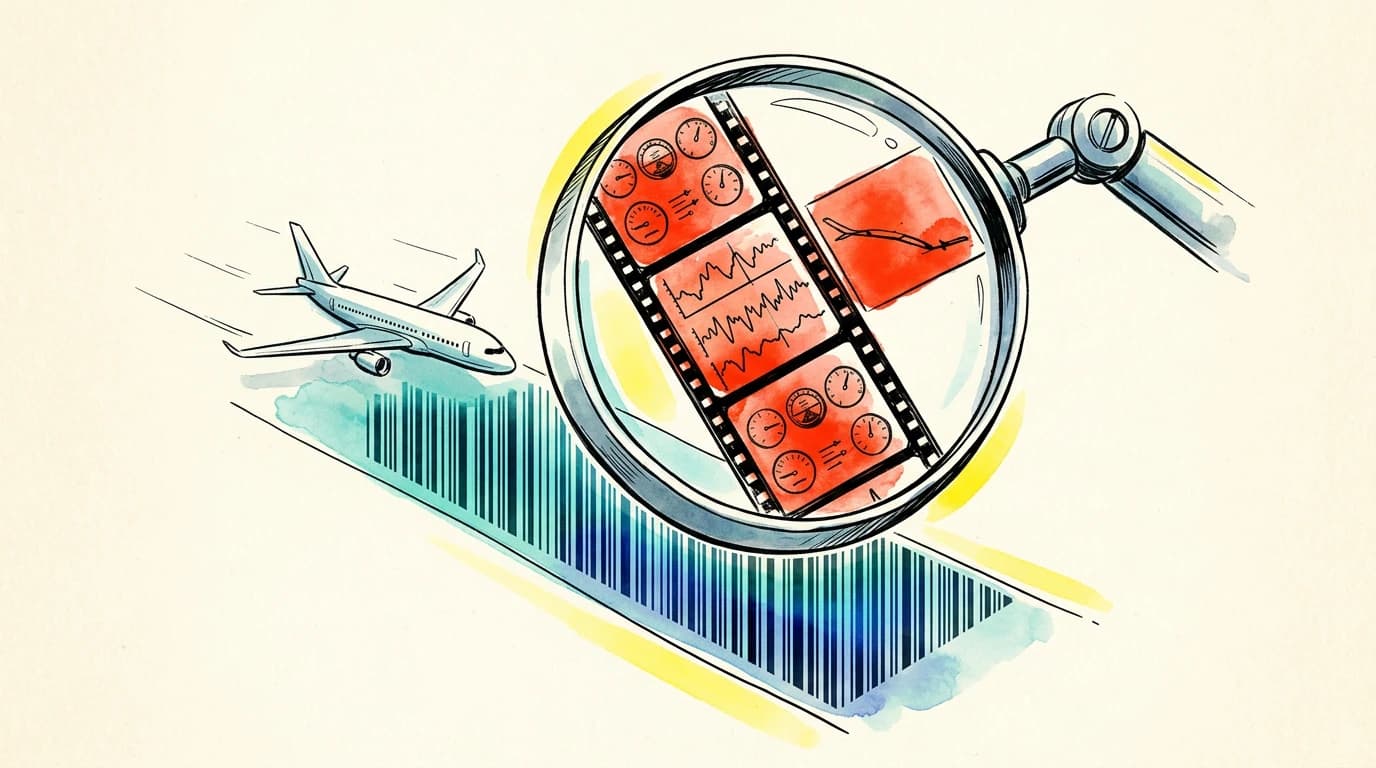
A new deep learning model predicts airplane hard landings from flight recorder data while clearly showing which moments and instruments triggered the alert.
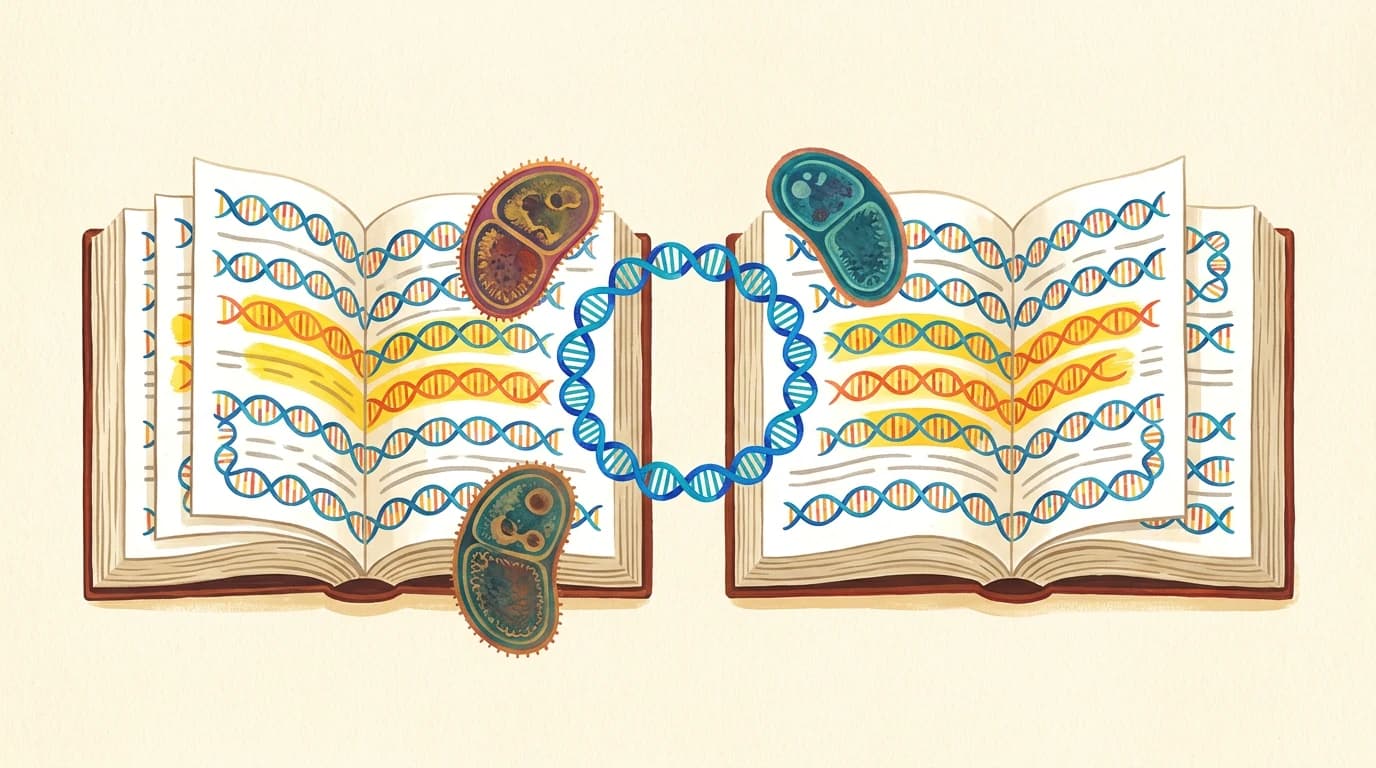
A comparative genomic study reveals that the hardy microbe Deinococcus radiodurans is most closely related to Deinococcus wulumuqiensis, holding shared tools for survival across chromosomes and an extra DNA ring.
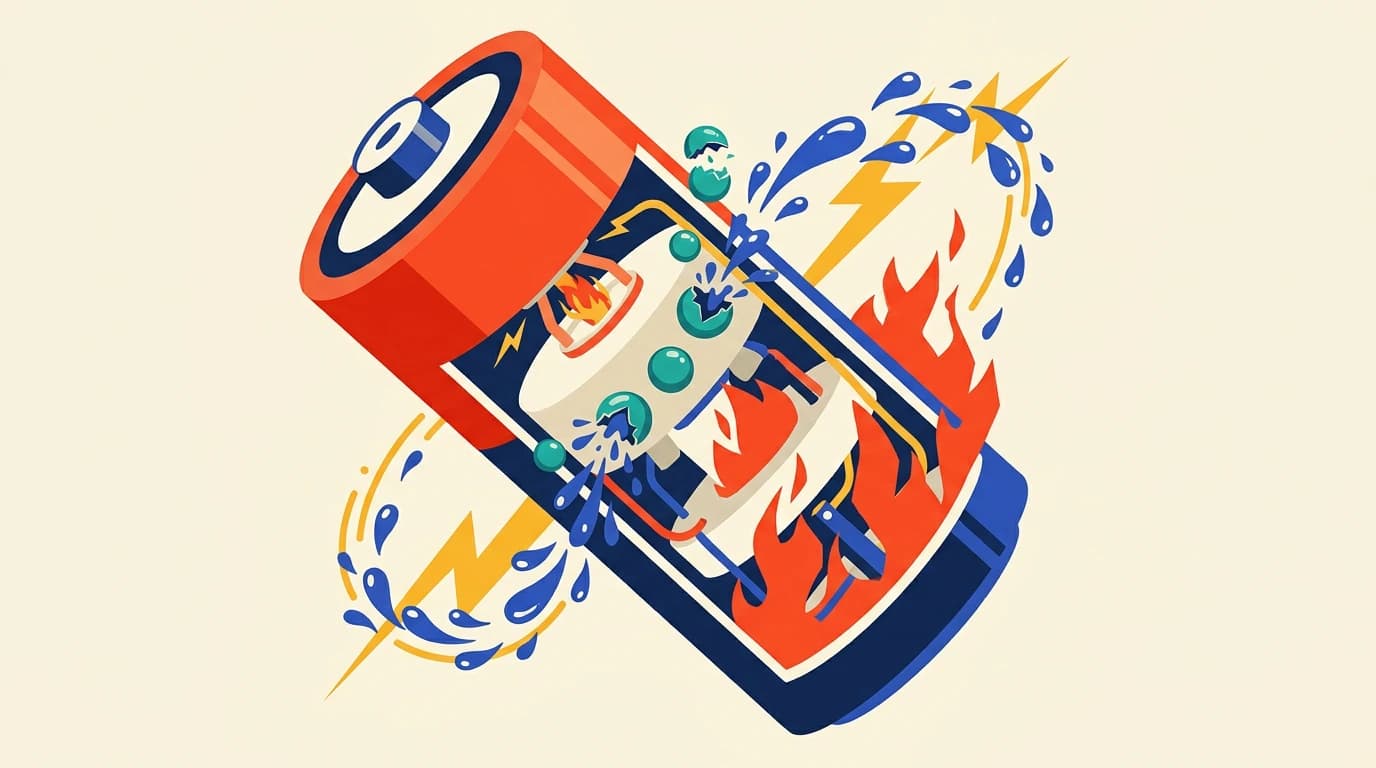
Scientists have packed tiny, liquid-filled capsules into a solid battery electrolyte that burst open during extreme heat to actively smother flames. This two-part safety shield stops catastrophic battery fires while still letting the cell store and deliver power normally.

Scientists compared global strains of the fungus that causes maize anthracnose, discovering that major DNA reshuffling and broken genes help drive strain diversity.
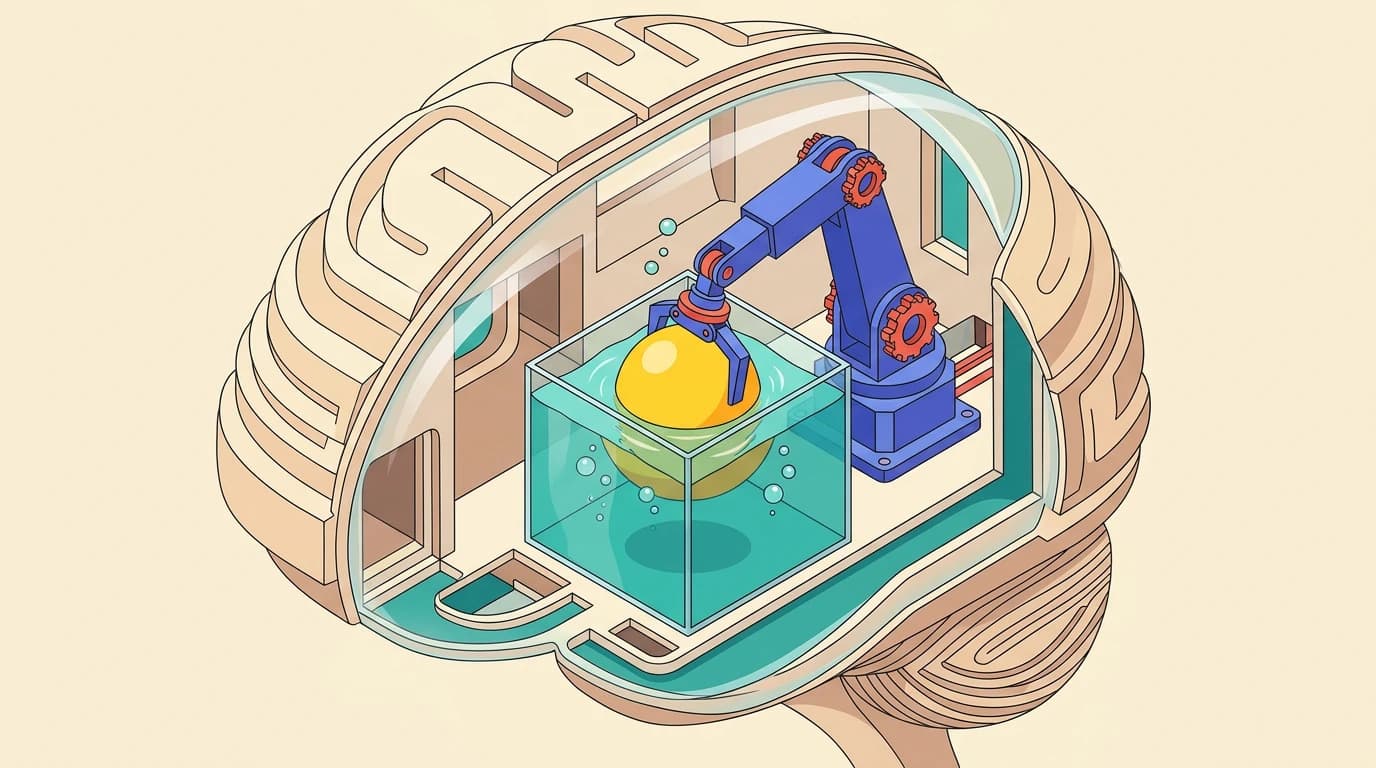
Scientists reviewing brain-scan studies found no clear consensus on how we choose to forget personal memories, and they suggest pairing two scanning tools to solve the puzzle.
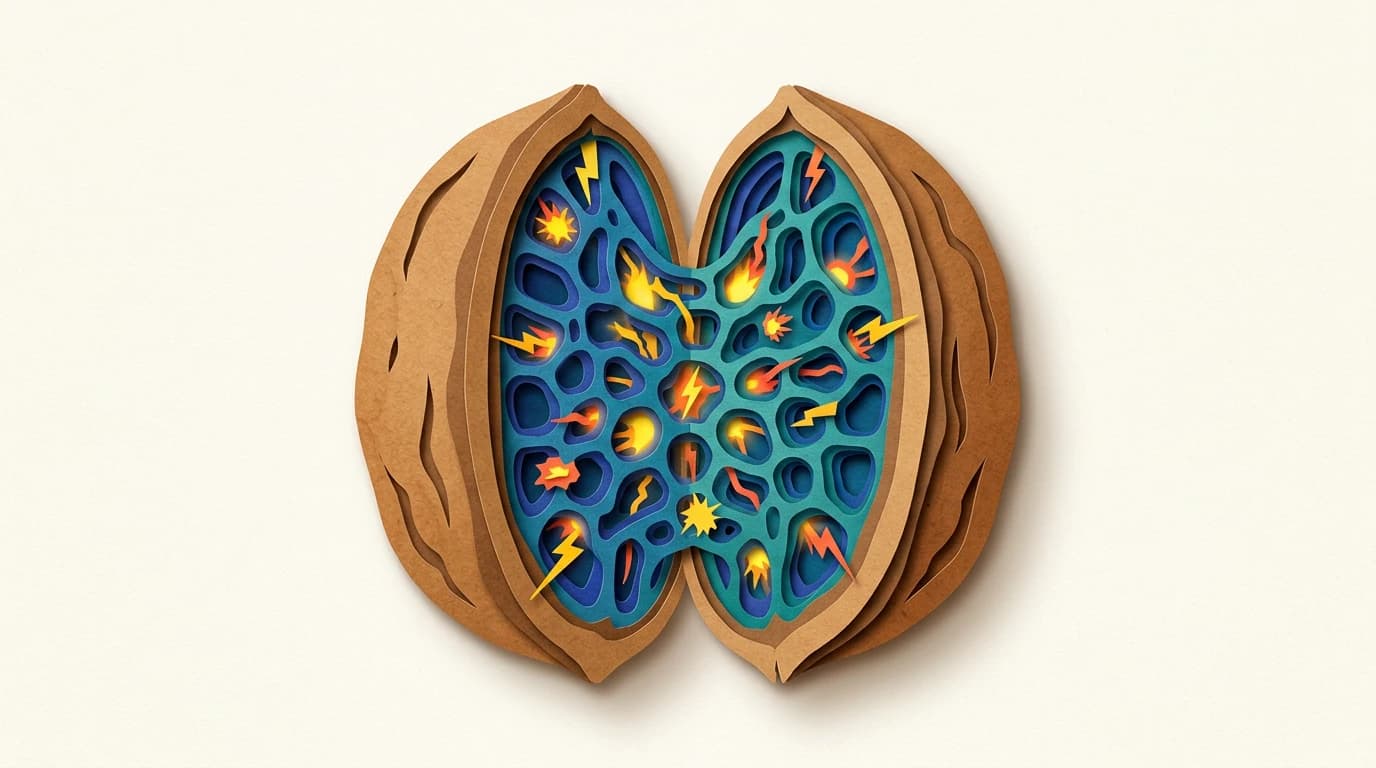
Treating waste shells from Calophyllum inophyllum nuts with common chemicals turns them into porous carbon capable of storing rapid bursts of electrical charge.
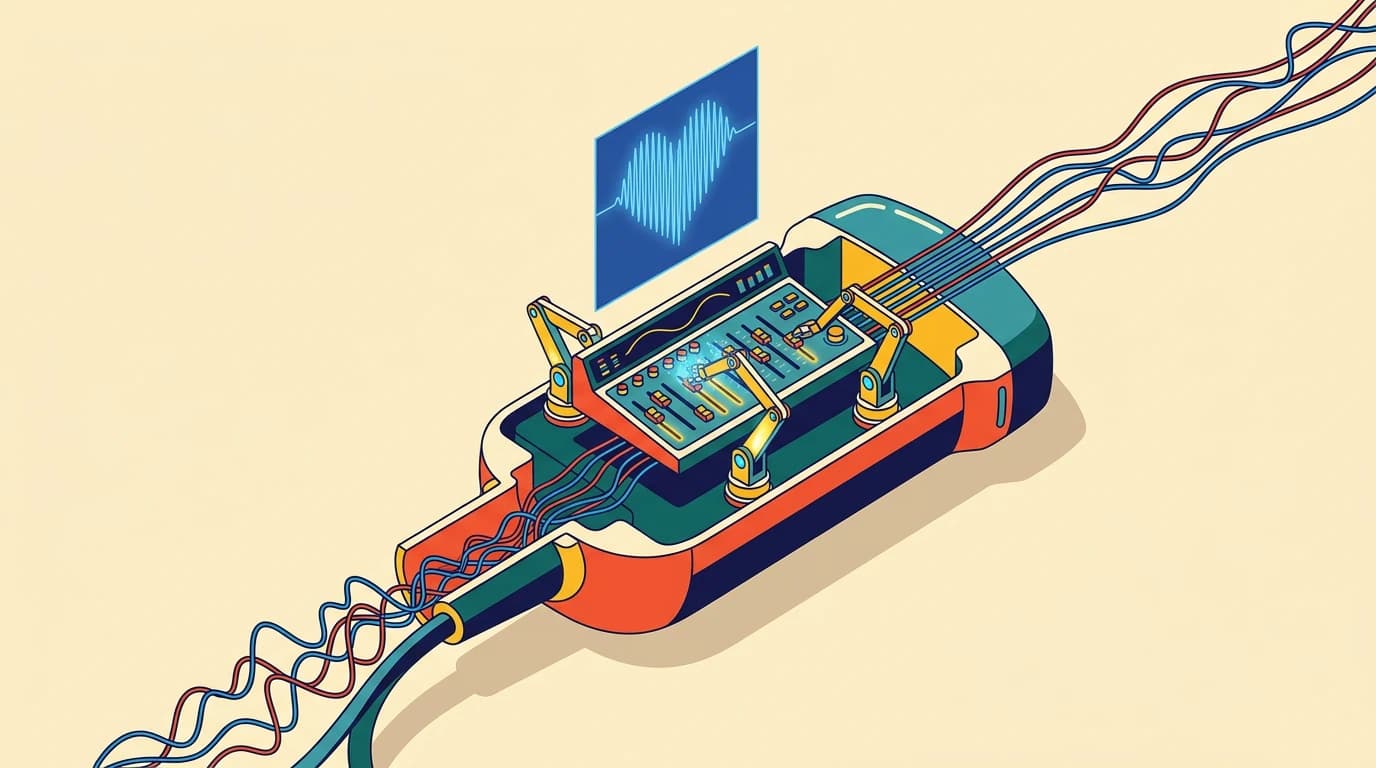
Researchers reviewing medical imaging find that neural networks can process raw sound echoes into high-resolution scans at ultrafast speeds, bypassing slow mathematical calculations.
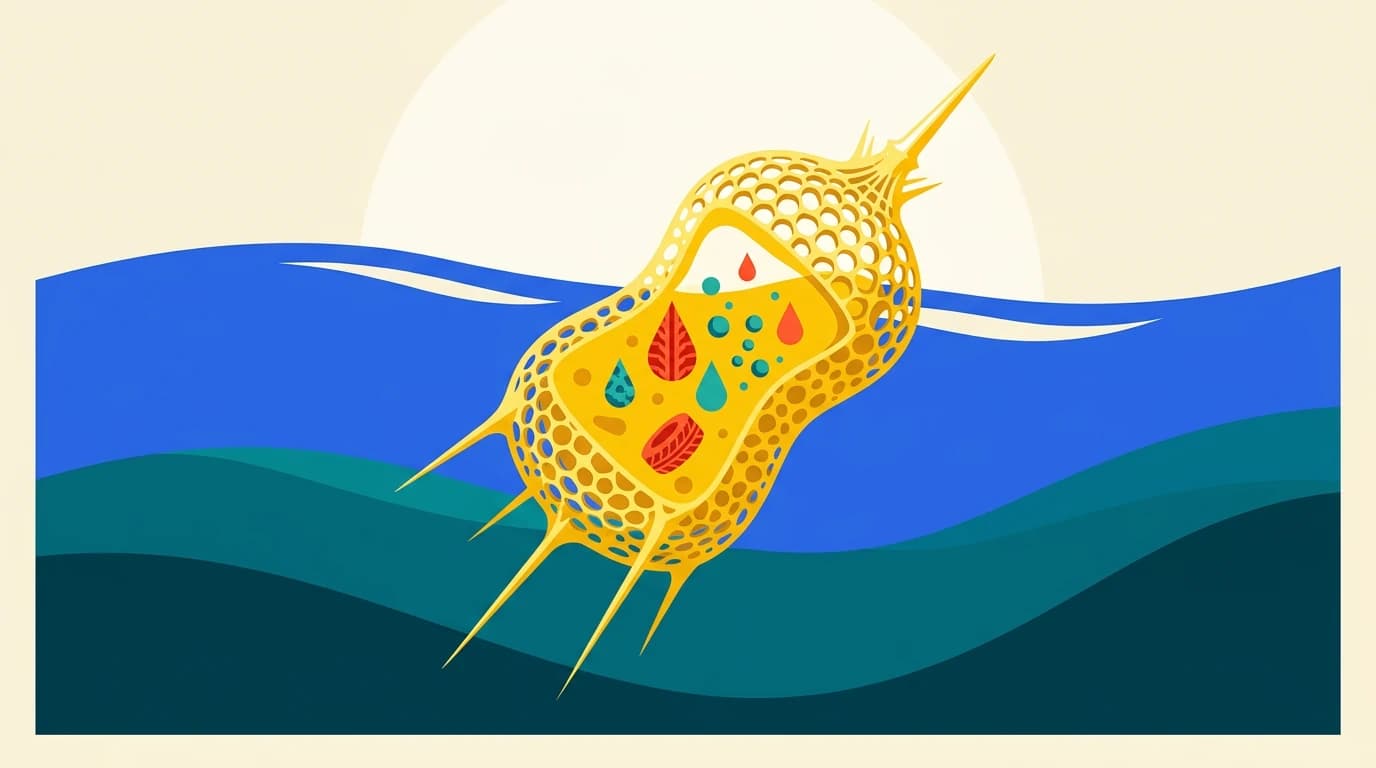
A ten-year study of Atlantic plankton reveals that while bans have reduced older pollutants, a fresh wave of plastic and tyre chemical substitutes has taken their place.