Top storyNeurosciencePeer reviewed2 min read
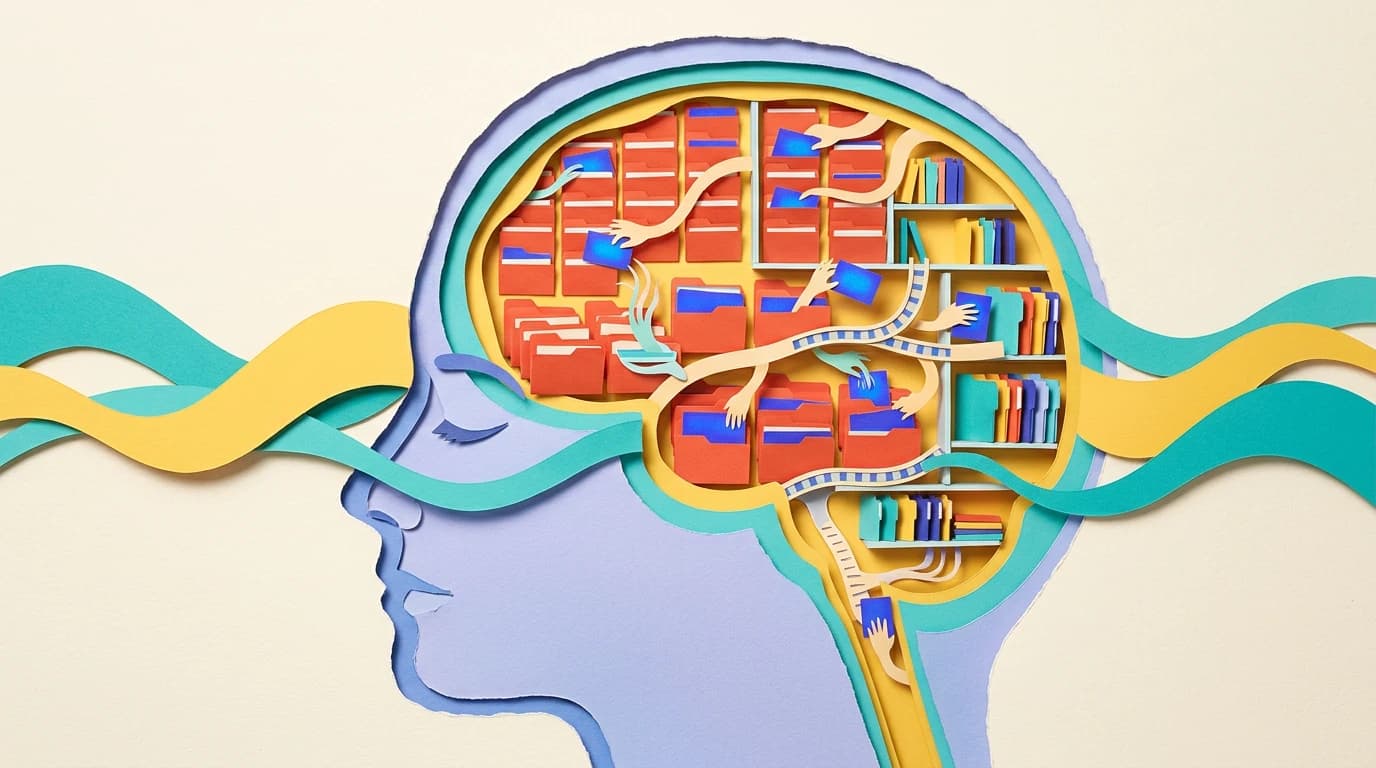
How deep sleep reshapes your working memory overnight
During deep sleep, rhythmic brain waves reorganise mental circuits so sensory areas handle more information with less effort from control regions.
From the archive
During deep sleep, rhythmic brain waves reorganise mental circuits so sensory areas handle more information with less effort from control regions.

By crushing raw elements under intense pressure, scientists created a new cobalt compound that organises its electron spins into a nanoscale checkerboard wave.
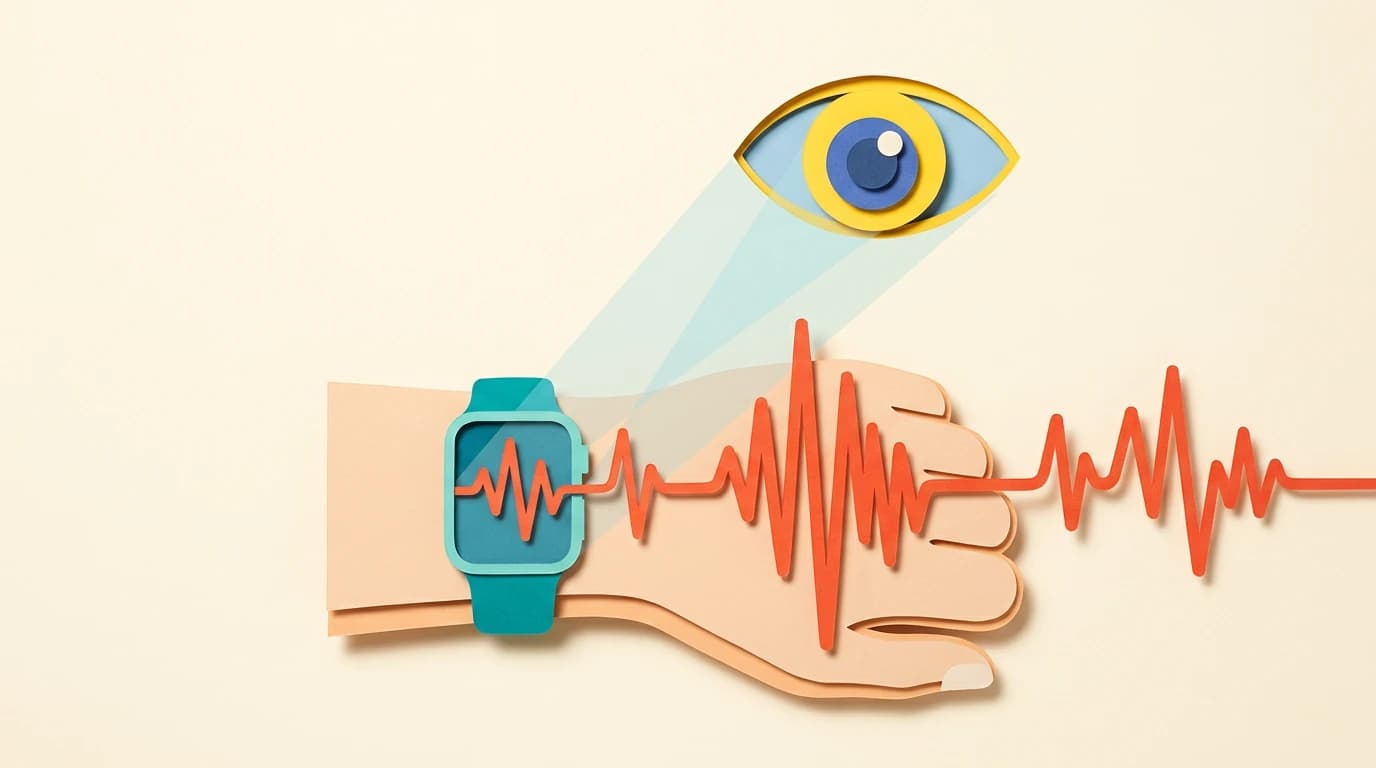
A review of 460 studies shows deep learning is replacing manual rules to track blood pressure, heart health, and sleep from simple light sensors.
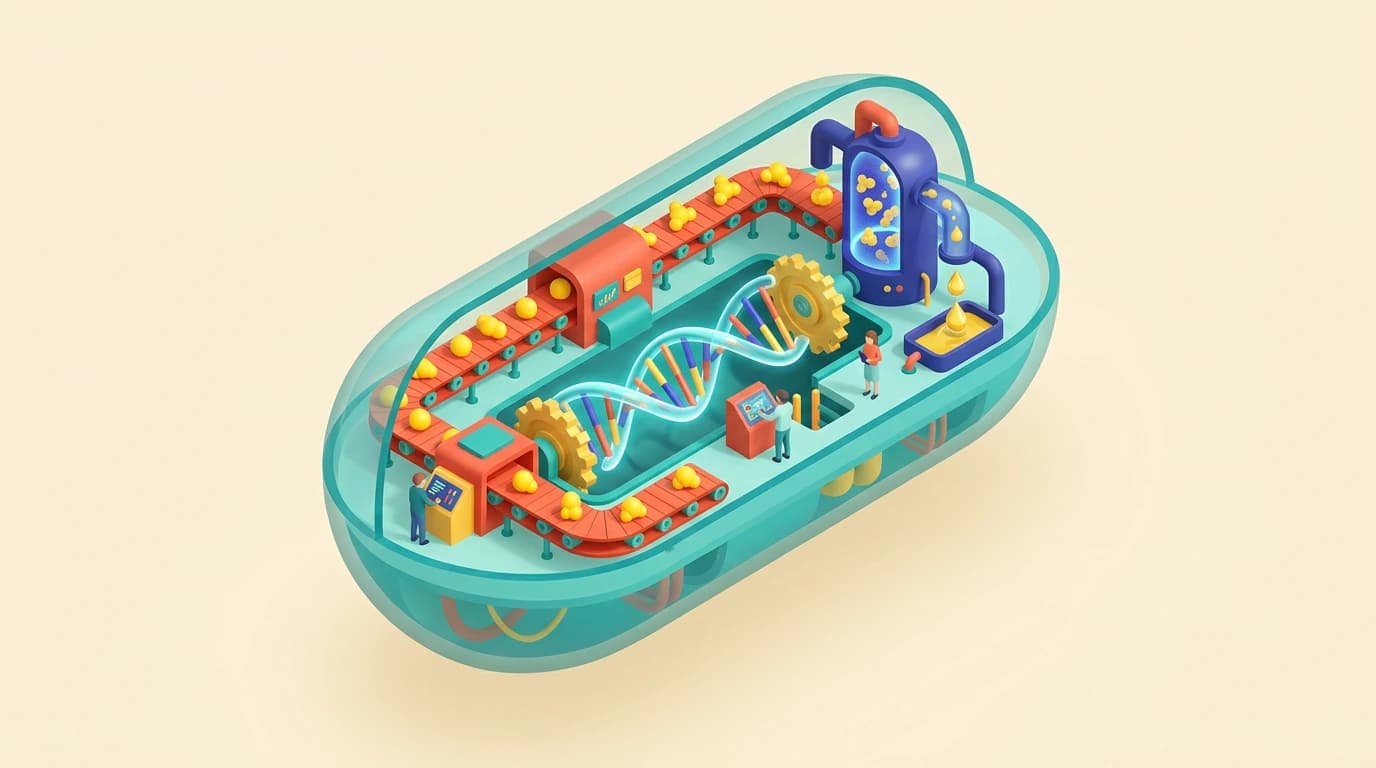
By inserting two new genes into a common bacterium, researchers nearly doubled its ability to brew liquid biofuel from cheese-making waste.

A study of 31 stranded Yelkouan shearwaters along the Italian coast found plastic debris inside 90.3% of the birds, alongside widespread tissue contamination by synthetic plasticisers.
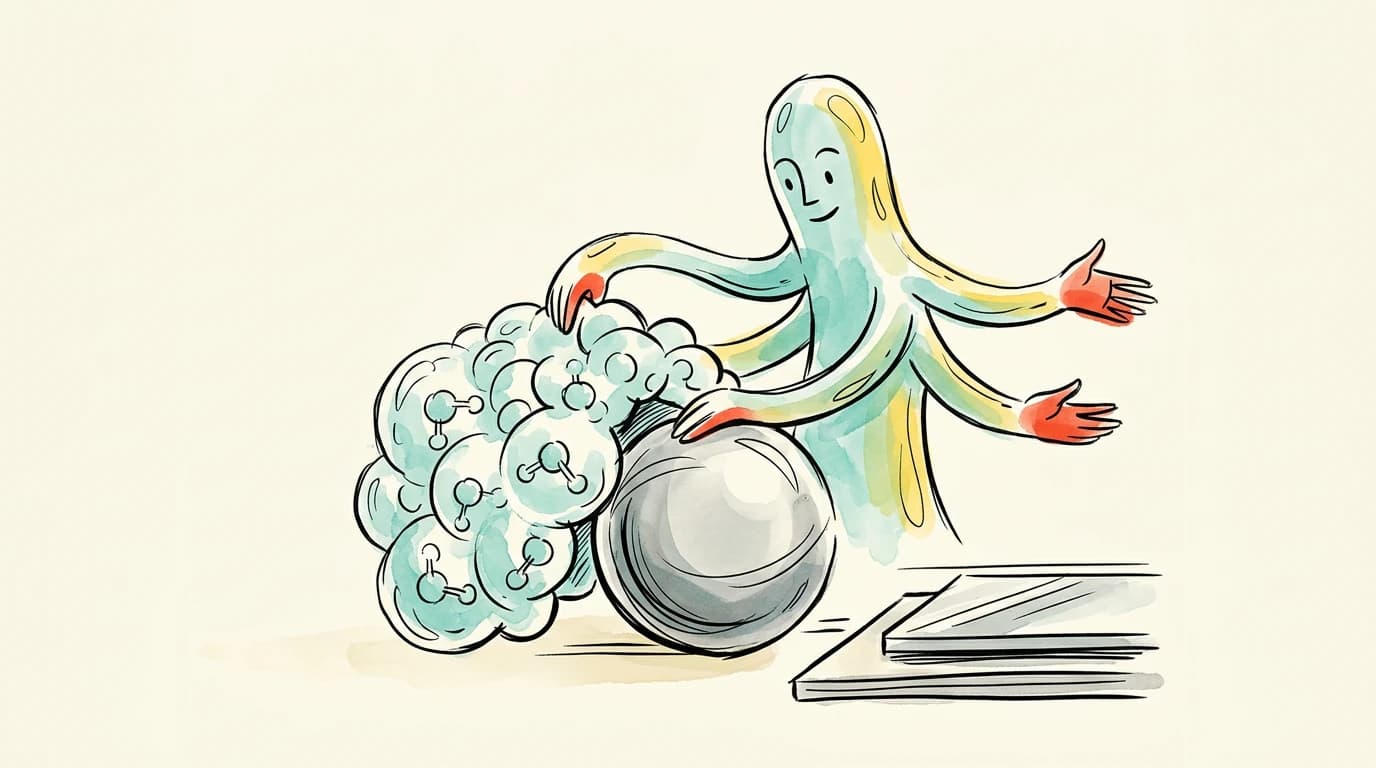
A systematic review shows how smart polymer networks tame water reactions and metal spikes to make zinc cells safer and longer-lasting.

A smart search code paired with fast machine learning shows where active metal atoms sit inside porous crystal grids.
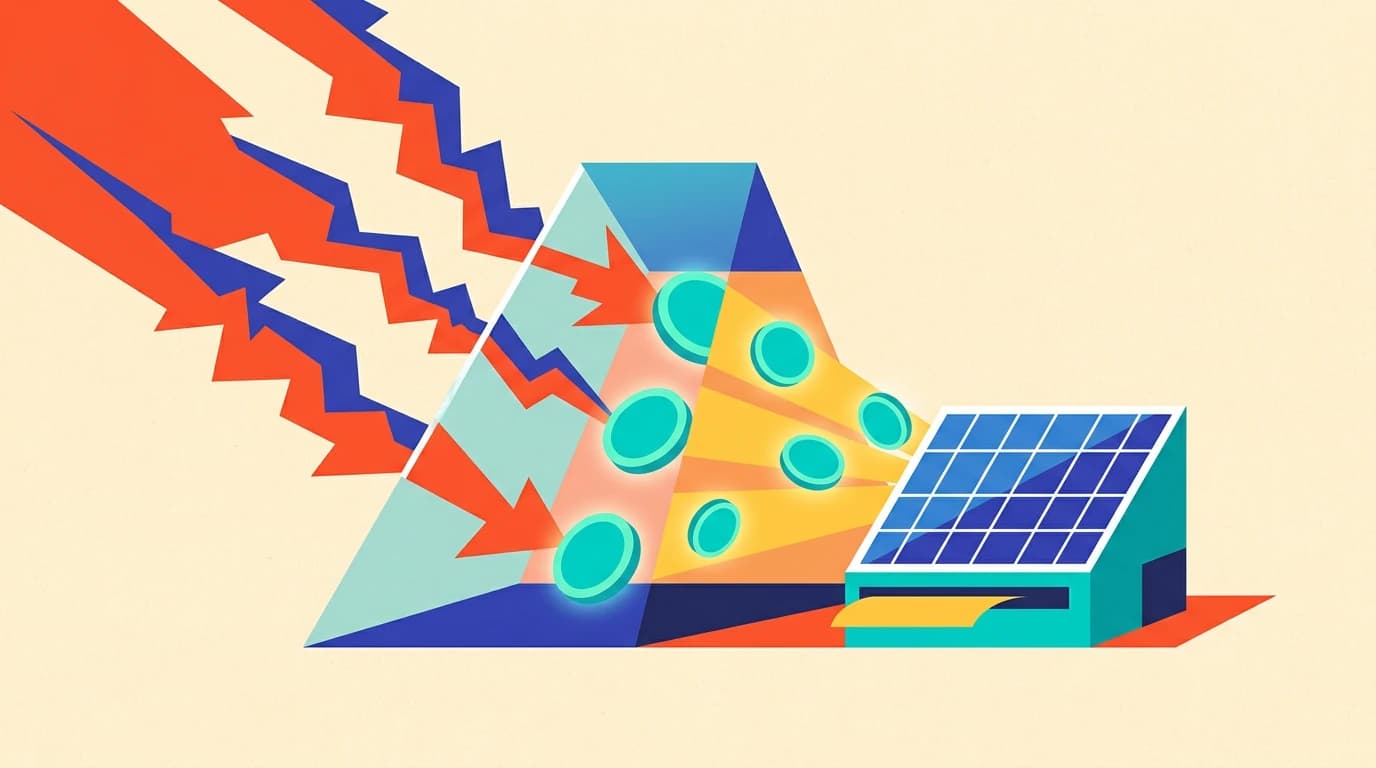
A comprehensive review shows how special materials absorb destructive ultraviolet rays and re-emit them as visible light, shielding solar cells while boosting their power.
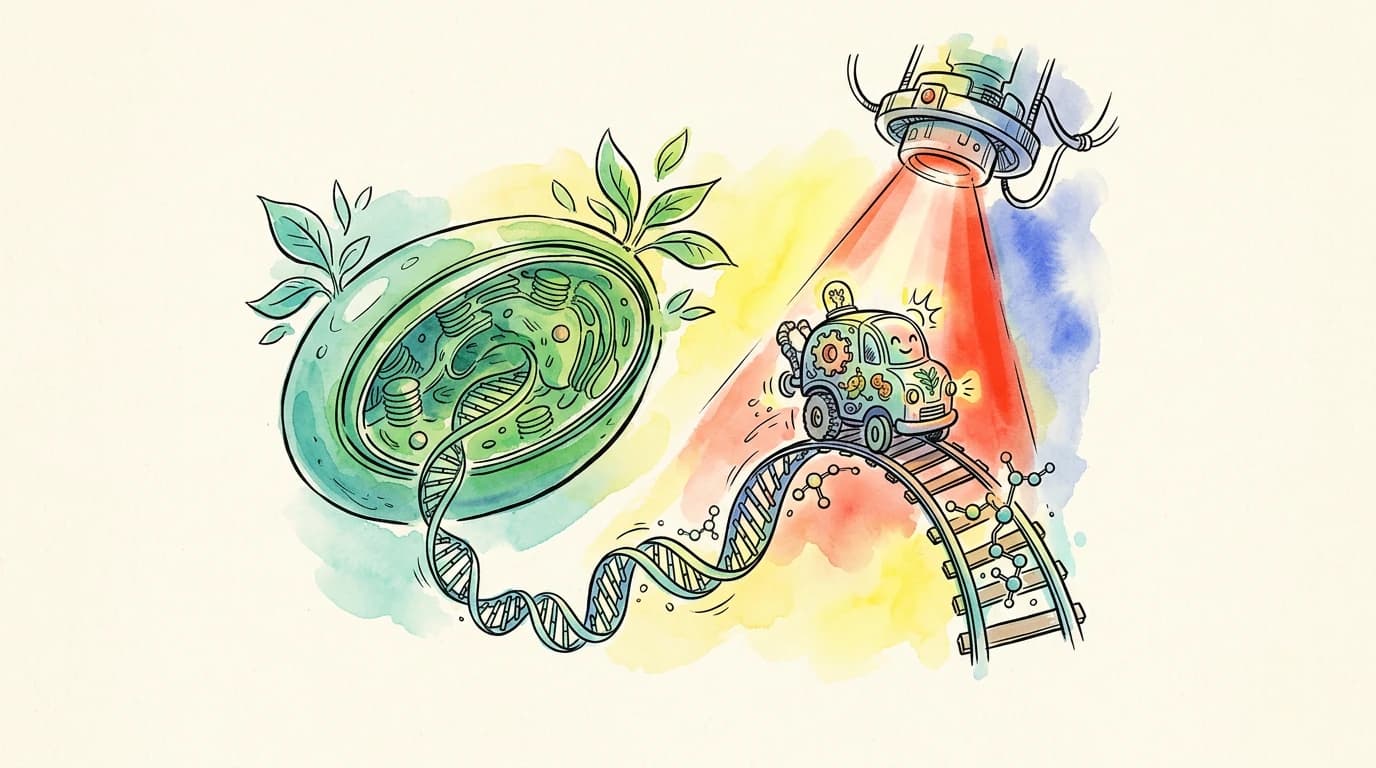
A lab protocol shows how to trap, isolate, and read protein-DNA interactions inside plant chloroplasts. By capturing the machinery that copies genes, scientists can track chloroplast activity with high precision.

A study of 41 species finds that shark skeleton mineralisation drops sharply with ocean depth, varying over 40-fold between surface dwellers and deep ocean species.

A 3D mapping study of 689 mouse brain cells reveals that subiculum cells branch out to share signals with several targets at once, rather than using separate, one-to-one lines.