Why clever gels might solve the problems inside zinc cells
A systematic review shows how smart polymer networks tame water reactions and metal spikes to make zinc cells safer and longer-lasting.
Reading level
The full story with proper science words explained.
Water, sparks and spikes
Lithium-ion cells power modern life. However, their flammable liquids carry a persistent fire risk. Zinc provides a cheap, water-based choice with high energy storage capacity. It also boasts a favourable electrical potential of -0.76 volts. Yet plain water inside an energy cell causes real trouble. Liquid water triggers corrosion and produces stray gas that inflates the casing. Worse still, recharging causes zinc to grow into sharp spikes called dendrites. Dendrites are needle-like metal shapes that punch through separators to cause short circuits.
The coat-check effect
To fix these flaws, teams are redesigning zinc battery electrolytes. An electrolyte is the chemical mixture that carries electric charge inside a cell. They use flexible polymer chains, including water-trapping hydrogels. Polymers are long molecular chains made of repeating units. Instead of letting zinc ions roam wildly in loose water, these chains tie up the liquid tightly. They use hydrogen bonds to lock water in place. This drops local water activity and stops it from reacting with the metal.
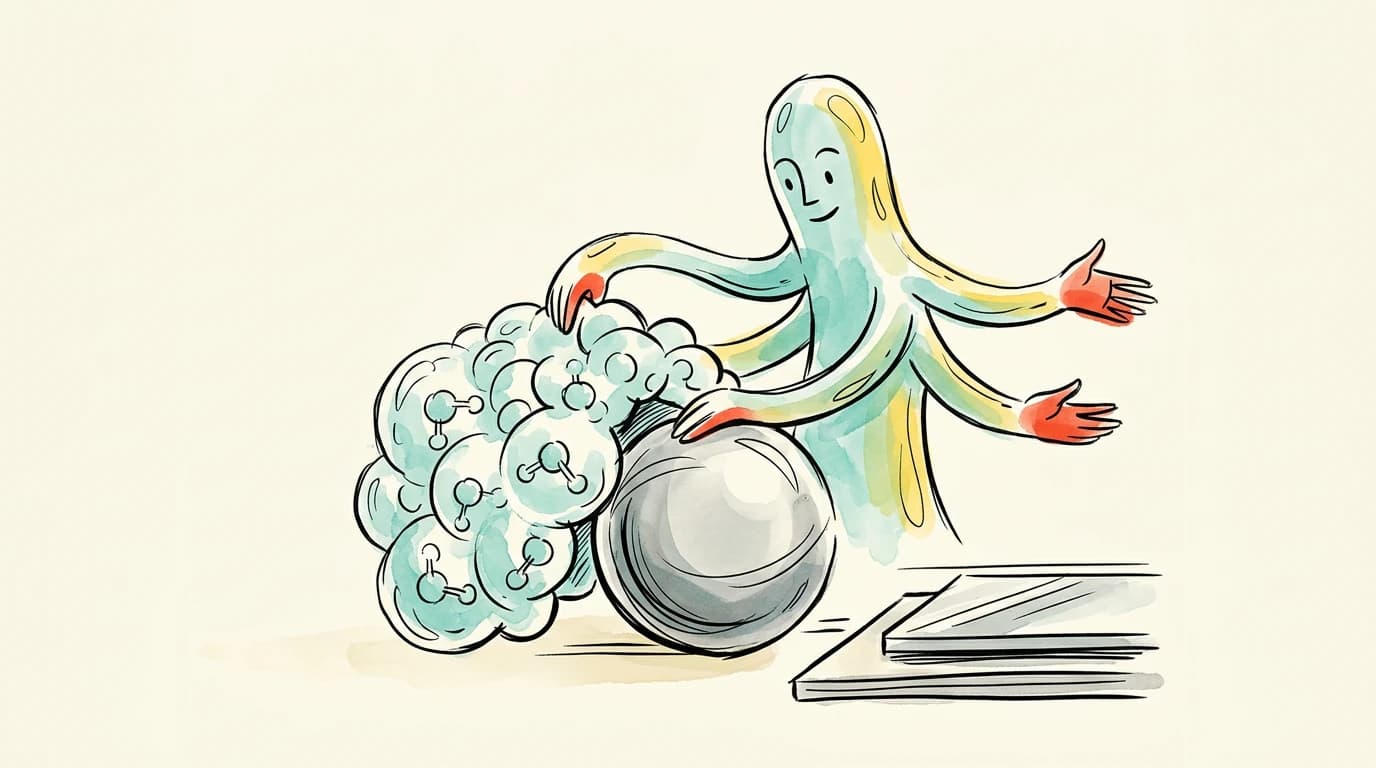
Think of the network like a busy coat check. A moving zinc ion arrives wearing a heavy coat of water molecules. Special groups along the chains slip this watery coat off cleanly. This lowers the desolvation barrier, which is the energy hurdle an ion faces when shedding its liquid coat. The bare ion can then land smoothly on the metal plate. Yet the trick fails if the bond is too sticky. If the check attendant clings to the ion, movement stalls and charging slows right down.
Varied chemical mixes offer distinct perks. Adding sulfonic acid groups, like those found in PSS or PEDOT:PSS, creates open paths for positive zinc ions while holding back negative ions. Other hydrogels made with acrylamide, MAPTAC, and gelatin stick fast to almost anything. They bind to glass, plastics, ceramics, and wood while guiding zinc to settle flat instead of forming spiky towers.
Why raw speed is not enough
Designing these systems demands careful balance. Linking chain strands together makes the gel tough enough to block metal needles. However, adding too many links crowds the space inside. This chokes off ion flow. High ionic conductivity alone does not mean a cell will last through many recharges. A fluid that allows rapid ion flow might look great on paper. But if it holds too much loose water, it speeds up harmful side reactions and ruins the device.
What we still do not know
This systematic review looked at zinc-ion cells, zinc-air setups, and hybrid capacitors. Even so, clear gaps remain. Comparing published studies is hard because teams test their materials with different gel thicknesses, fluid amounts, and power levels. Closing the divide between computer models and real hardware remains an open challenge. Finally, true self-regulating intelligence has yet to arrive. We still lack gels that can sense damage on their own and adjust their local environment while the cell works.
Science words
- dendrite
- Needle-like metallic zinc spikes that form during recharging and can puncture battery separators, causing short circuits.
- electrolyte
- The chemical medium inside a battery that enables ions to travel between electrodes.
- polymer
- A large molecule composed of repeating chemical subunits linked into long flexible chains.
- desolvation barrier
- The energy hurdle an ion must overcome to shed its shell of water molecules before plating onto an electrode.
- intelligent polymer electrolyte
- A polymer electrolyte designed to actively regulate ion coordination, water activity, mechanical damage, or environmental response, beyond passively carrying ions.
Check it yourself
This story is based on a real research paper in Advanced Science by Kumar, Kesavan, Asim et al. We write with AI help and check it against the paper, but the original is the final word.