Archived Intelligence

16 March 2026

← Previous|Current Edition →

Full Report

Image for A Chemical Switch for Conditional Gene Editing: Reversible Control Over CRISPR RNA
Genetics & Molecular Biology

A Chemical Switch for Conditional Gene Editing: Reversible Control Over CRISPR RNA

Researchers have engineered a reversible chemical switch that pauses and resumes CRISPR-Cas9 activity. By modifying guide RNA with a highly reactive azide molecule, scientists can halt DNA cleavage and restore it on demand.
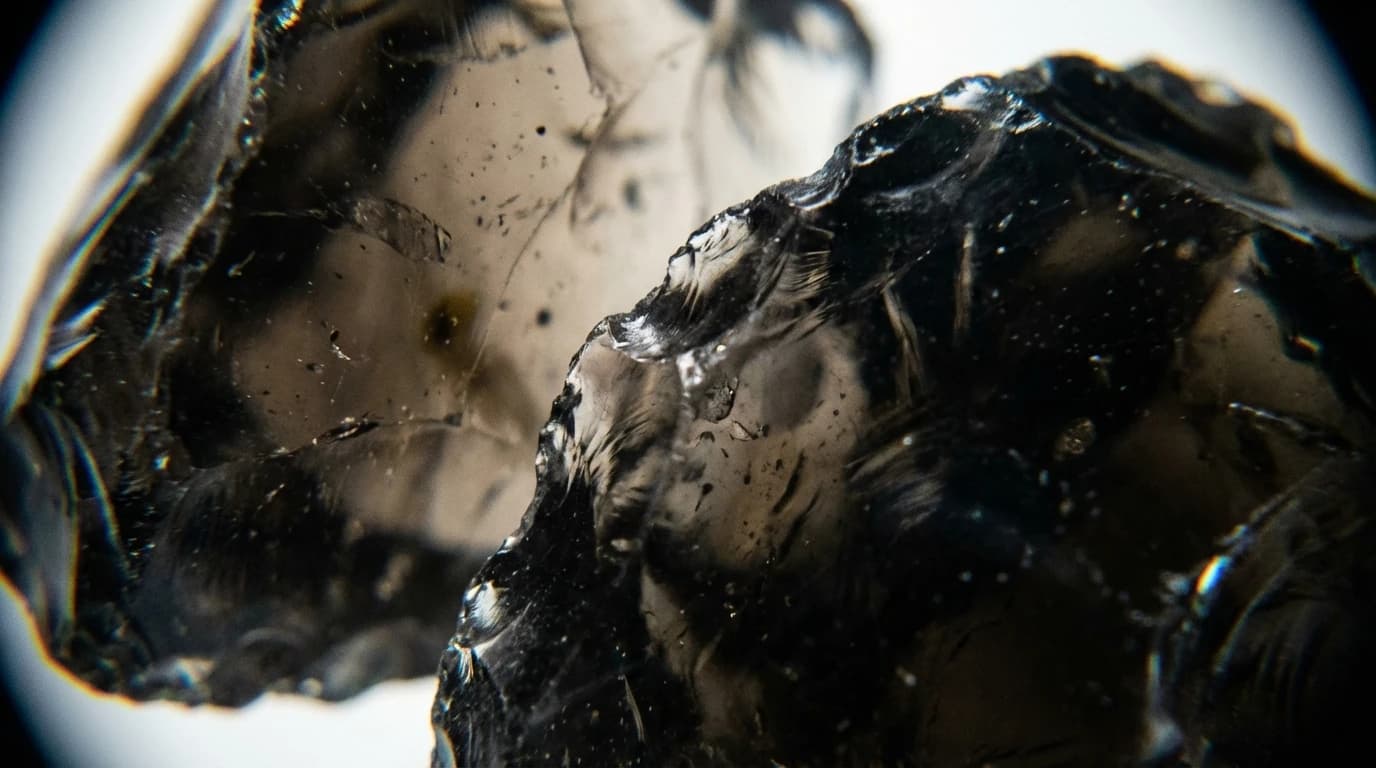
Image for Beyond the Visible: How Tunable Near-Infrared Luminescence Could Reshape Bioimaging
Chemistry & Material Science

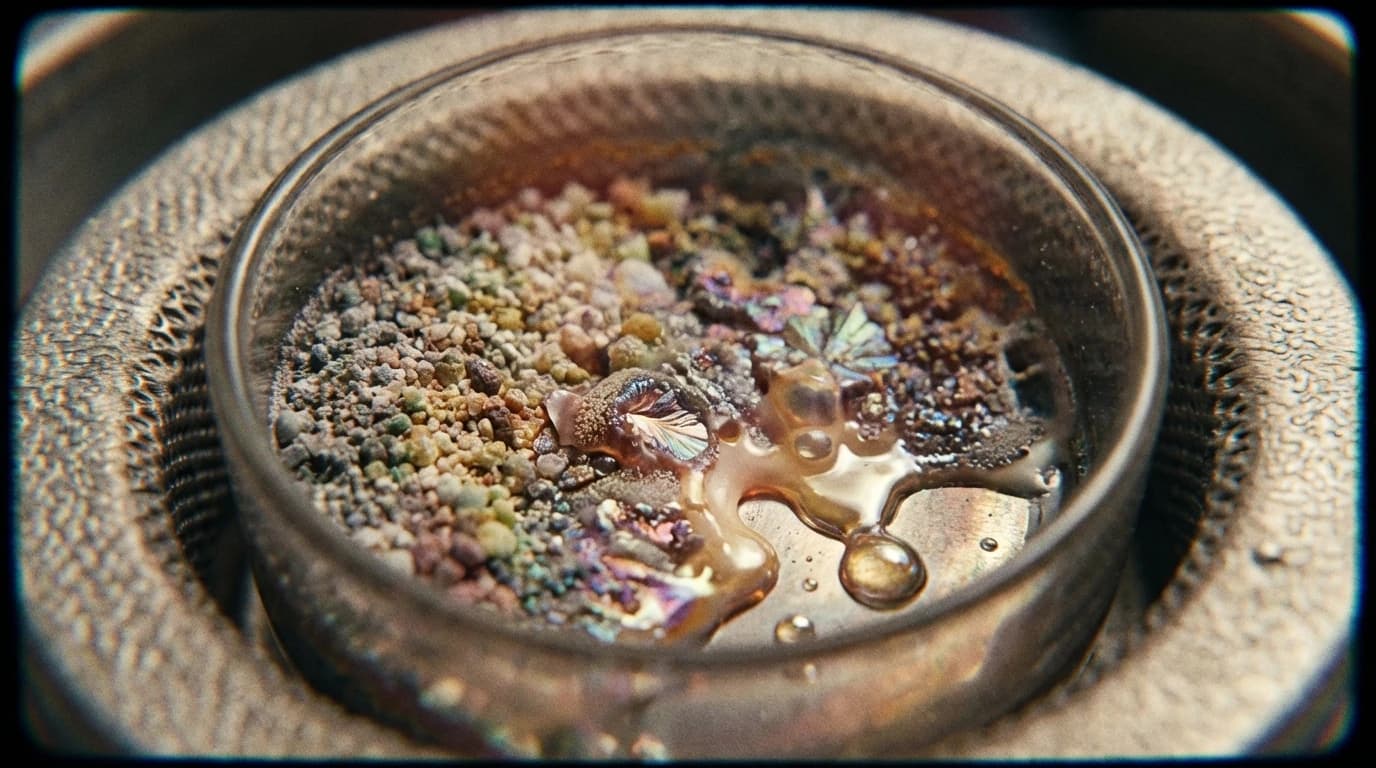
Beyond the Visible: How Tunable Near-Infrared Luminescence Could Reshape Bioimaging

Researchers have developed a method to precisely control tellurium clusters in glass, creating highly tunable near-infrared light. This preliminary study suggests major upcoming shifts in broadband optical communication and non-invasive medical imaging.

Image for How Thermally Stable Chiral Pillar[5]arenes Could Reshape Materials Science
Chemistry & Material Science

How Thermally Stable Chiral Pillar[5]arenes Could Reshape Materials Science

Researchers have developed a highly precise method to synthesise stable, tube-like molecules with exact left- or right-handed orientations. This laboratory-scale breakthrough provides a reliable foundation, enabling future advancements in host-guest chemistry and smart materials.

Image for Inside the Black Box: How Solid-State Synthesis Could Shape the Next Decade of Batteries
Chemistry & Material Science

Inside the Black Box: How Solid-State Synthesis Could Shape the Next Decade of Batteries

Researchers used high-powered synchrotron imaging to observe the internal mechanics of battery material creation in real-time. By mapping the competing physical forces at play, this study provides a clear framework for the more controlled and scalable production of high-performance batteries.

Image for The Algorithmic Illusion: How Virtual 3D Endoscopy Could Reshape Brain Surgery
Medicine & Health

The Algorithmic Illusion: How Virtual 3D Endoscopy Could Reshape Brain Surgery

Neurosurgeons often sacrifice depth perception when using minimally invasive cameras to navigate the brain. A new review examines how artificial intelligence can synthesise three-dimensional views from standard flat video. This software-based approach offers a cheaper, highly accessible alternative to bulky optical equipment.

Image for The Future of Spintronics: How Chiral 2D Materials Could Redefine Quantum Computing
Chemistry & Material Science

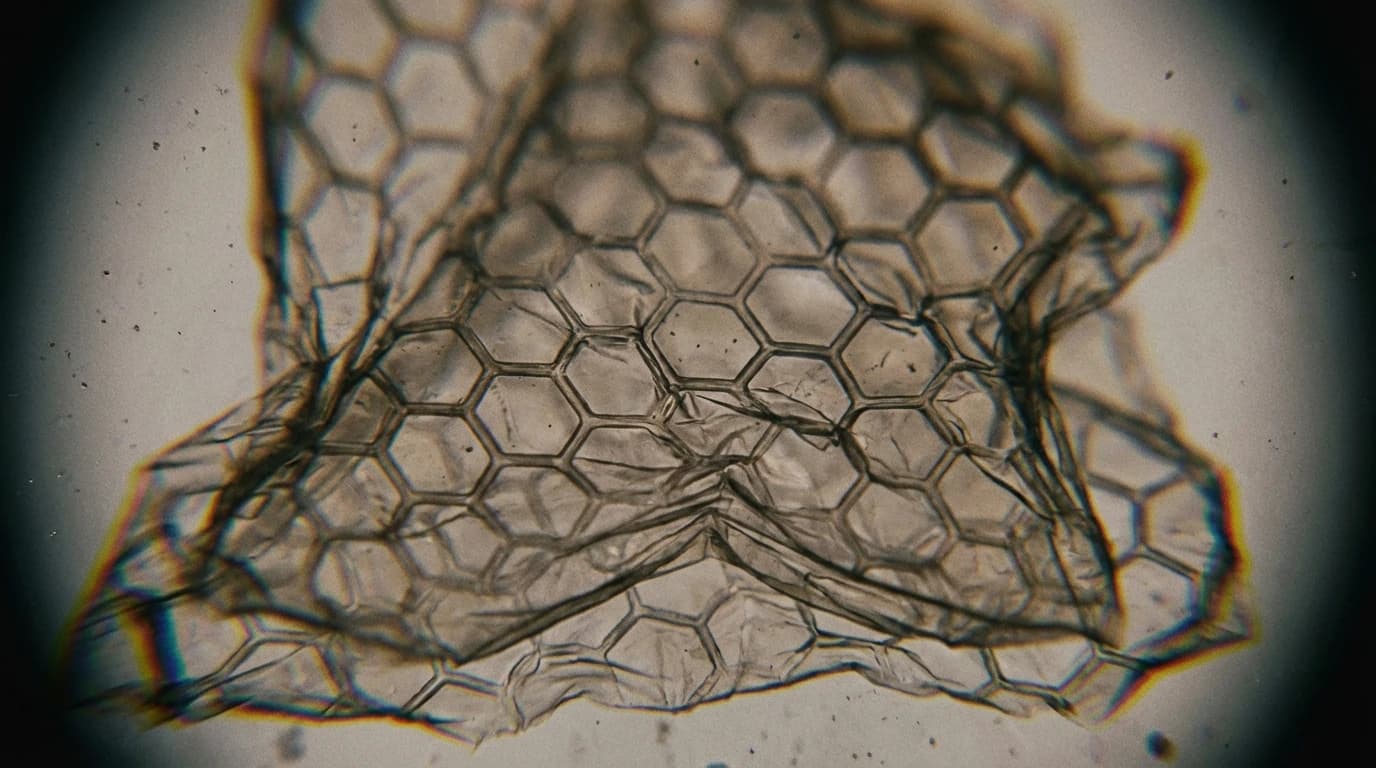
The Future of Spintronics: How Chiral 2D Materials Could Redefine Quantum Computing

Researchers have successfully engineered 2D germanane to act as a chiral spin-filtering material. By dynamically controlling electron spin polarisation, this development could enable highly efficient molecular switches for next-generation quantum technologies.

Image for The Hidden Geometry of Light: Mastering Photonic Spin-Orbit Interaction
Physics & Astronomy

The Hidden Geometry of Light: Mastering Photonic Spin-Orbit Interaction

By steering light around mathematical dead ends known as exceptional points, physicists have discovered a new way to manipulate its geometric phase. This precise control over optical properties suggests new methods for ultra-secure information encryption.

Image for The Microscopic Traffic Tunnels That Could Perfect Solid-state lithium batteries
Chemistry & Material Science

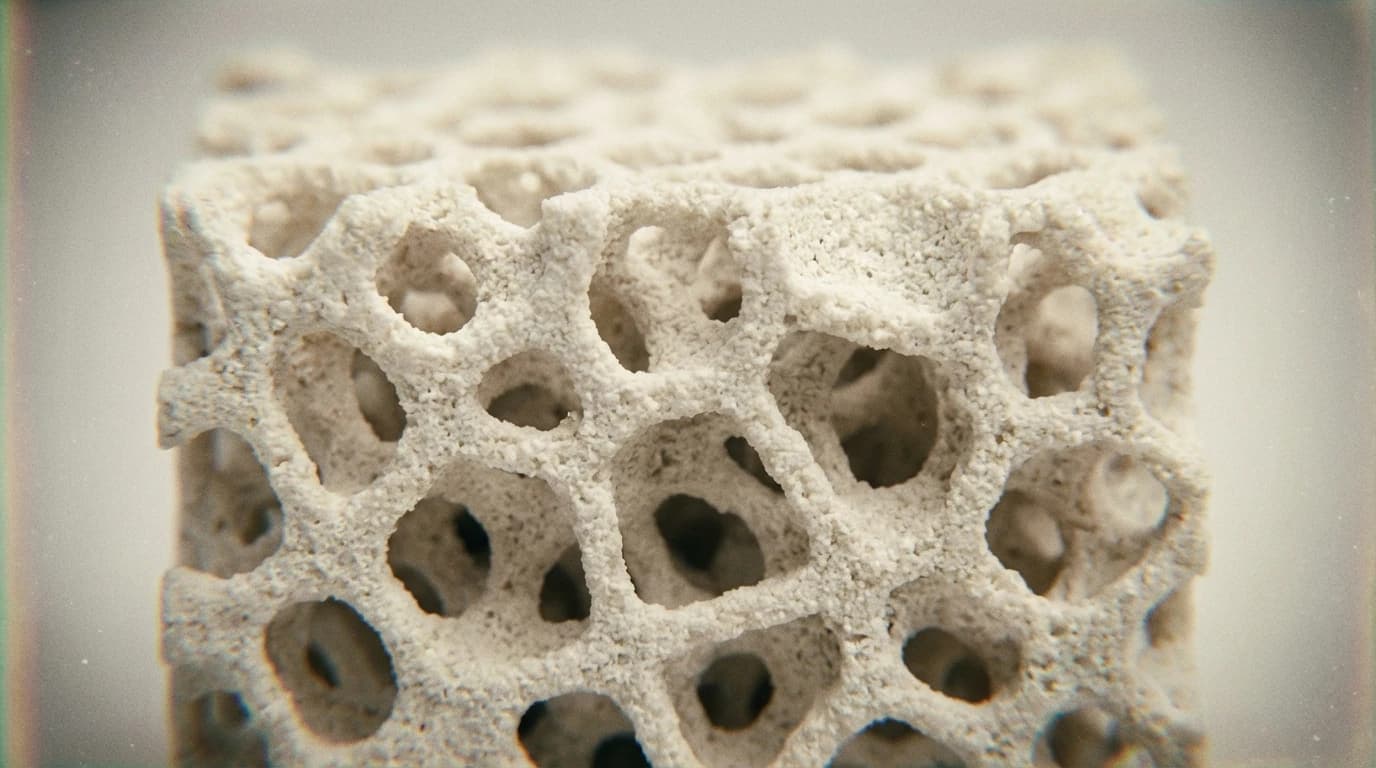
The Microscopic Traffic Tunnels That Could Perfect Solid-state lithium batteries

By lining the microscopic pores of a solid electrolyte with alternating chemical chains, researchers have created a high-speed transit route for lithium ions. This structural design prevents internal traffic jams, resulting in a fast-charging, highly stable battery prototype.

Image for The New Era of Alzheimer's Disease Research: Catching the Burglars Before They Strike
Medicine & Health

The New Era of Alzheimer's Disease Research: Catching the Burglars Before They Strike

Scientists are moving away from late-stage memory tests, favouring blood tests and wearables to detect Alzheimer's early. This shift towards multi-target drugs and proactive monitoring suggests a future where we target the disease at much earlier stages.

Image for The Silent Damage of the Ring: Finding Traumatic Brain Injury Biomarkers in the Blood
Neuroscience

The Silent Damage of the Ring: Finding Traumatic Brain Injury Biomarkers in the Blood

Researchers have identified specific microRNAs in blood plasma that fluctuate after recurrent head impacts in amateur boxers. These molecules may act as an early warning system, revealing hidden inflammation and neural stress before clinical symptoms appear.

Image for The Silent Storm: Decoding Hidden Seizures with EEG Functional Connectivity
Neuroscience

The Silent Storm: Decoding Hidden Seizures with EEG Functional Connectivity

Doctors often struggle to tell if an unresponsive patient is in a deep coma or experiencing invisible, nonconvulsive seizures. A recent study shows that analysing the brain's internal communication networks can separate these two conditions with high accuracy. This approach could lead to faster, more precise treatments in intensive care units.

Image for Why the Axial Spondyloarthritis Disease Activity Score May Set the Bar Too High
Medicine & Health

Why the Axial Spondyloarthritis Disease Activity Score May Set the Bar Too High

Clinical trials for axial spondyloarthritis often aim for total disease remission. A new meta-analysis suggests this strict target is rarely met, and low disease activity might be a more realistic measure of success.