The New Era of Alzheimer's Disease Research: Catching the Burglars Before They Strike
Source PublicationJournal of Alzheimer’s Disease
Primary AuthorsYuan, Zhou
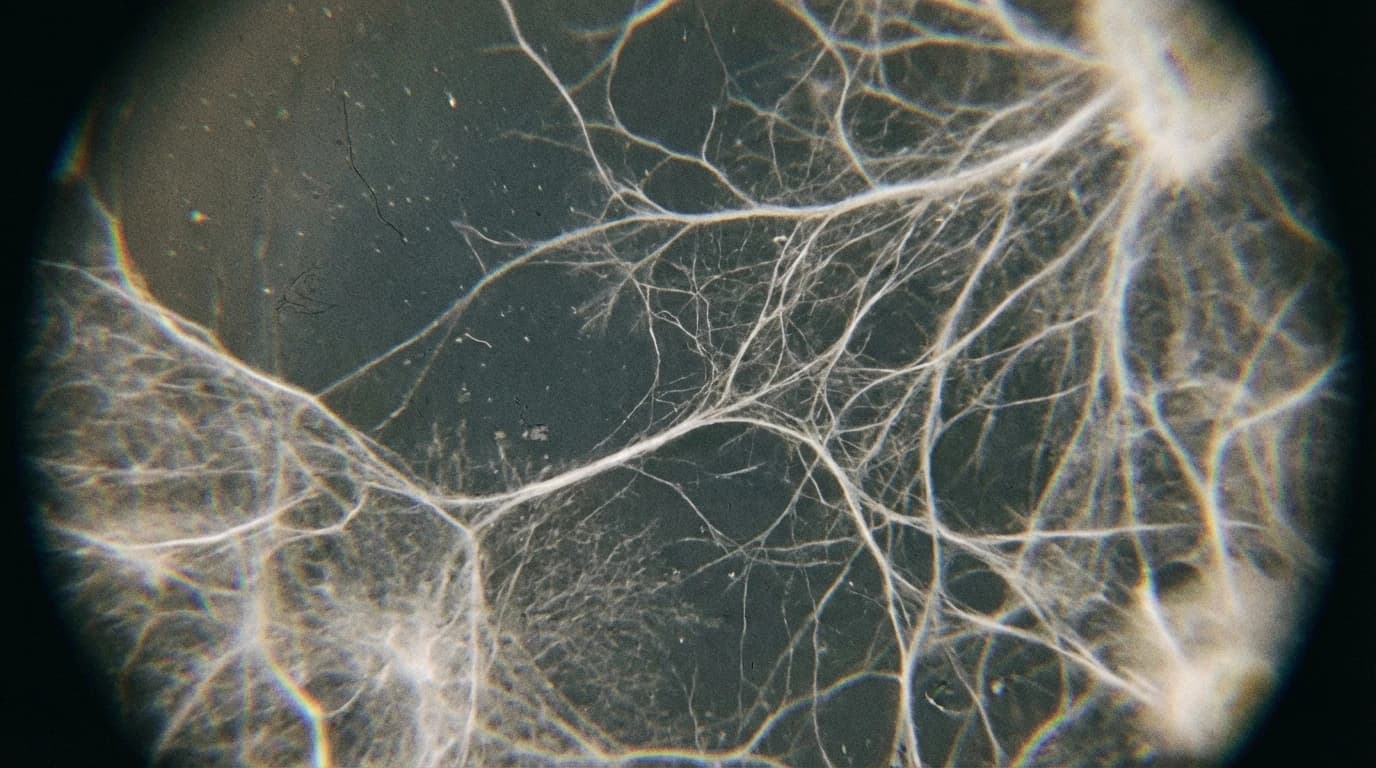
The Hook: The Mansion Alarm System
Imagine your brain is a sprawling, high-security mansion. For decades, the alarm system was fundamentally flawed. It only ever rang after the burglars had already cleared out the furniture.
These results were observed under controlled laboratory conditions, so real-world performance may differ.
By the time doctors noticed the damage, the theft of memories and cognitive function was well underway. The damage was done, and the culprits were deeply entrenched.
But a major shift is happening in neurology. We are finally installing motion sensors on the lawn and deploying highly specialised security teams to stop the break-in before a single window is smashed.
A Shift in Alzheimer's disease research
This proactive strategy defines the latest wave of Alzheimer's disease research. Historically, doctors relied on basic memory questionnaires to spot the condition.
They waited until a patient showed visible, undeniable signs of cognitive decline. By that point, sticky amyloid plaques and tangled tau proteins had already overrun the brain's delicate networks.
Experts at the recent CTAD 2025 meeting outlined how this reactive, late-stage approach is ending. The focus is moving entirely toward catching the disease at much earlier stages.
The Discovery: Motion Sensors and Security Teams
So, what did the researchers actually report from the clinical frontlines? The field is aggressively moving away from single-target drugs.
Instead, scientists are developing multi-target therapeutic frameworks. These include next-generation antibodies and gene-based strategies designed to clear out toxic proteins simultaneously.
But the most immediate change is in how we detect the intruders. The latest data highlights several new detection methods:
- Blood-based biomarkers that spot microscopic traces of toxic proteins like p-tau217.
- Digital biomarkers collected through everyday wearable devices and smartphones.
- Adaptive clinical trials that target genetically or biomarker-defined high-risk groups much earlier in the disease progression.
These new blood tests are nearing clinical readiness. This suggests we may soon spot the disease's footprint using a standard needle prick, shifting away from a historical reliance on late-stage, centralised cognitive scales.
The Impact: A Decentralised Future
What changes because of this new approach? Over the next two to three years, Alzheimer's care is expected to become highly personalised and decentralised.
Instead of travelling to a specialised urban centre for a subjective memory test, you might get a routine blood draw at your local clinic. Meanwhile, your smartwatch could quietly monitor your cognitive health in the background.
This suggests a future where treatment targets much earlier disease stages. It is a precise, proactive defence system that could completely alter how we manage brain health.