The Silent Damage of the Ring: Finding Traumatic Brain Injury Biomarkers in the Blood
Source PublicationMolecular Neurobiology
Primary AuthorsPagliarini, Selleri, Forleo et al.
The damage happens quietly, hidden beneath the sweat and the rhythmic thud of gloves hitting heavy bags. A boxer takes a glancing jab to the chin, a sudden jolt that rattles the skull but barely registers as pain. Over weeks of sparring, these micro-collisions accumulate in the dark, silent confines of the cranium. The brain, suspended in its fluid, absorbs the kinetic energy of every blow, sustaining microscopic tears and cellular stress that no standard imaging scan can see. The athlete steps out of the ring feeling fine, completely unaware of the biological alarms ringing inside their own head.
For decades, sports medicine has struggled with this profound blind spot. Doctors can easily diagnose a severe concussion when a fighter loses consciousness or stumbles. Yet, the cumulative toll of repetitive, low-grade hits remains entirely invisible until irreversible neurodegeneration sets in years later.
The Search for Traumatic Brain Injury Biomarkers
By the time memory falters, moods swing unpredictably, or physical tremors begin, the window for early intervention has already closed. Medical science needs a way to peer inside the living brain without opening the skull. Researchers have long sought a reliable blood test, a chemical whisper that signals cellular distress before the structural damage becomes permanent.
A recent study of amateur boxers offers a fascinating glimpse into how the brain attempts to heal itself after routine trauma. Scientists tracked ten male athletes across three weekly sparring sessions, meticulously counting every physical blow to the head. They were looking for a specific cellular SOS signal.
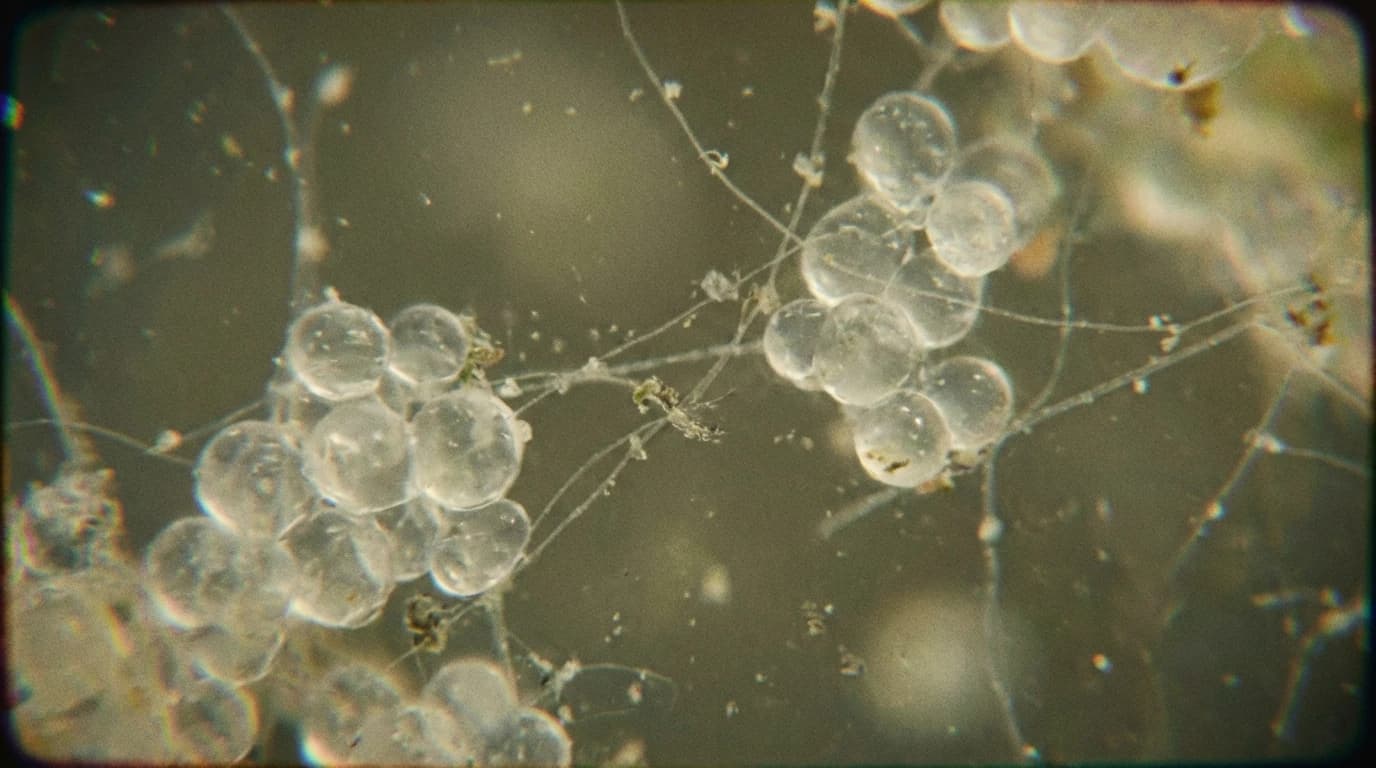
Before and after the three-week fighting period, the researchers drew blood, searching for neuron-derived exosomes. These are microscopic lipid bubbles, expelled directly by stressed brain cells. They cross the blood-brain barrier and float through the circulatory system, carrying fragments of genetic material from the centre of the brain.
Inside these protective bubbles, the team measured specific microRNAs—tiny molecules that turn genes on or off. The analysis revealed a distinct, coordinated shift following the sparring sessions.
- Levels of one specific molecule, miR-126, dropped significantly.
- Concentrations of five other microRNAs, including miR-146a, spiked.
- The rise in miR-146a directly correlated with the total number of physical hits a boxer absorbed.
This molecular reshuffling suggests a highly organised biological response to repetitive trauma. Bioinformatic analysis indicates that the genes targeted by these specific microRNAs are involved in neuroinflammation, vascular regulation, and synaptic remodelling.
Essentially, the brain may be launching a covert repair operation. It appears to be attempting to wire around the microscopic damage, generating new neural pathways while fighting off localised swelling. While this study measured changes in just ten athletes, the precision of the data is striking.
The findings suggest that these blood-borne bubbles could eventually serve as a highly sensitive early warning system. Future sports physicians might use a simple, routine blood draw to monitor athletes over the course of a gruelling season. If these specific molecules rise beyond a safe threshold, a player could be benched to allow their neural circuitry time to recover, turning a silent, invisible threat into a quantifiable and manageable one.