Beyond the Visible: How Tunable Near-Infrared Luminescence Could Reshape Bioimaging
Source PublicationSpringer Science and Business Media LLC
Primary AuthorsZhou, Dong, Lv et al.
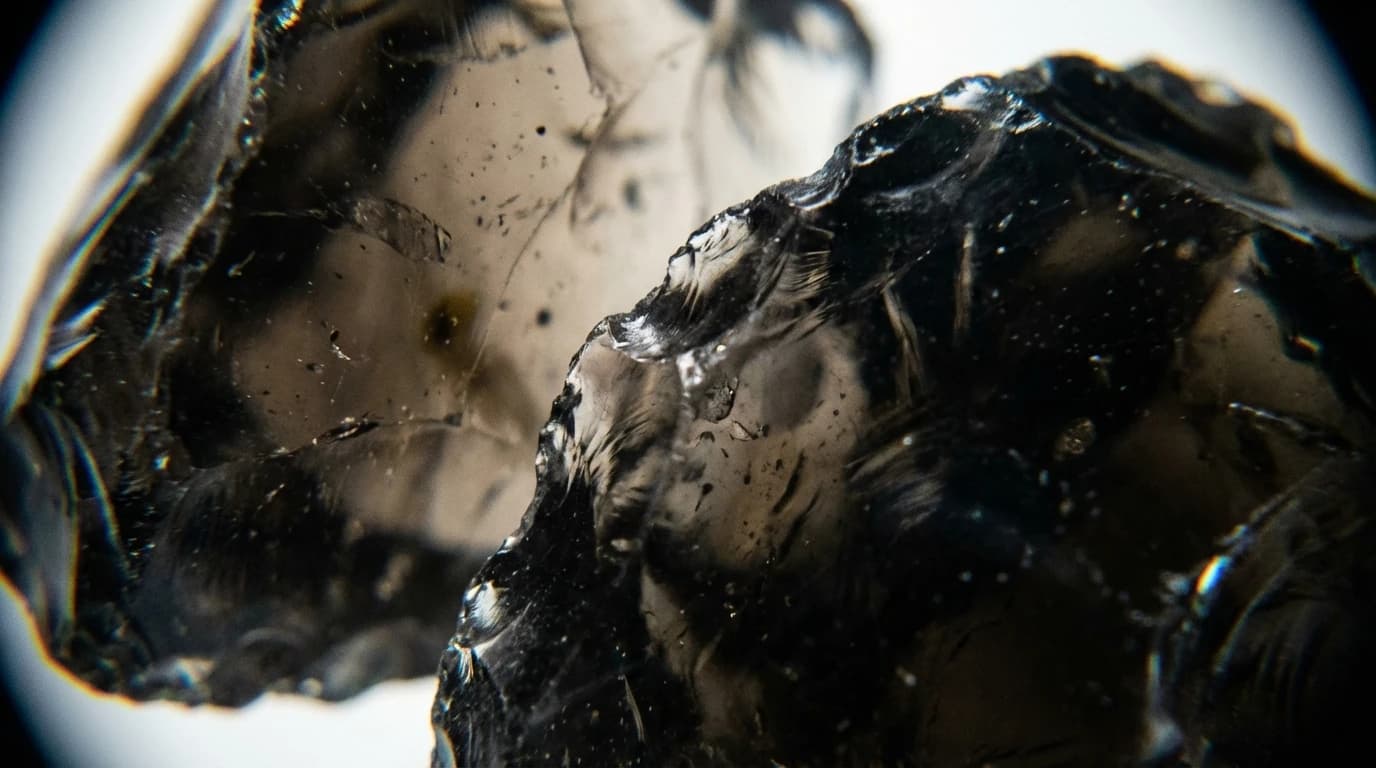
For years, engineers have struggled to achieve broad, continuously adjustable light emission in solid-state materials. Traditional ionic dopants simply hit a wall when pushed to deliver flexible, wide-spectrum infrared light. Now, early-stage preprint research offers a novel technique that finally breaks this long-standing bottleneck.
As global data demands surge and medical diagnostics require deeper tissue visibility, we need better photonic materials. The ability to finely control light at the atomic level is essential for the next generation of sensors, telecommunications, and medical scanners. This is exactly where the mechanics of near-infrared luminescence come into play.
The researchers managed to manipulate tellurium clusters inside a glass matrix at the atomic level. By using caesium to modify the network and silicon to balance it, they built tiny, adjustable topological cages. These cages allowed the team to precisely control the size and distribution of the tellurium clusters, measuring between 1.4 and 2.5 nanometres.
Mastering Near-Infrared Luminescence
This precise atomic control allowed continuous spectral tuning of the emission band from 900 nanometres to 1080 nanometres. The team successfully fabricated an optical fibre activated by these clusters to achieve broadband amplified spontaneous emission. They also demonstrated advanced three-dimensional computational imaging, successfully visualising complex biological structures non-invasively.
Because this study is an early-stage preprint, these initial bench-scale findings represent a promising first step rather than a finalised commercial product. However, the data measured in the lab suggests we are moving towards highly flexible photonic materials that adapt to specific technological needs.
Over the next five to ten years, this level of control over light emission could significantly alter several major industries. If these preliminary results hold up to wider scientific scrutiny, we could see rapid advancements in three specific areas:
- Optical Communications: Broadband amplified spontaneous emission could vastly increase the data capacity of fibre-optic networks.
- Medical Diagnostics: Enhanced three-dimensional near-infrared imaging may allow doctors to scan deep biological tissue without invasive procedures.
- Tunable Lasers: The ability to adjust emission wavelengths continuously could lead to highly adaptable laser systems for manufacturing and sensing.
The trajectory here points toward a future where our devices transmit data and scan biology much more efficiently. By rethinking how we organise atoms within glass, scientists are charting a clear, optimistic path toward more capable optical technologies.