How living cells stop their nuclear doorways from freezing solid
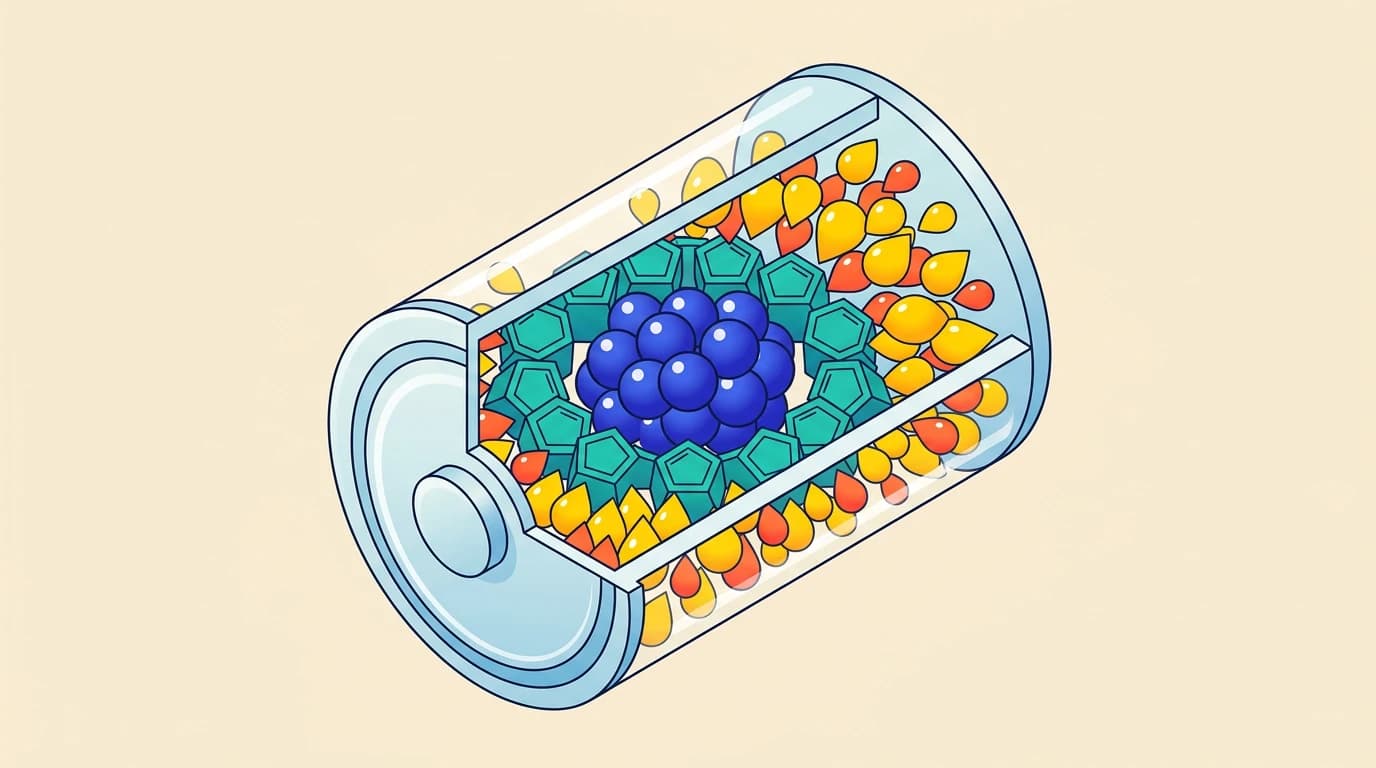
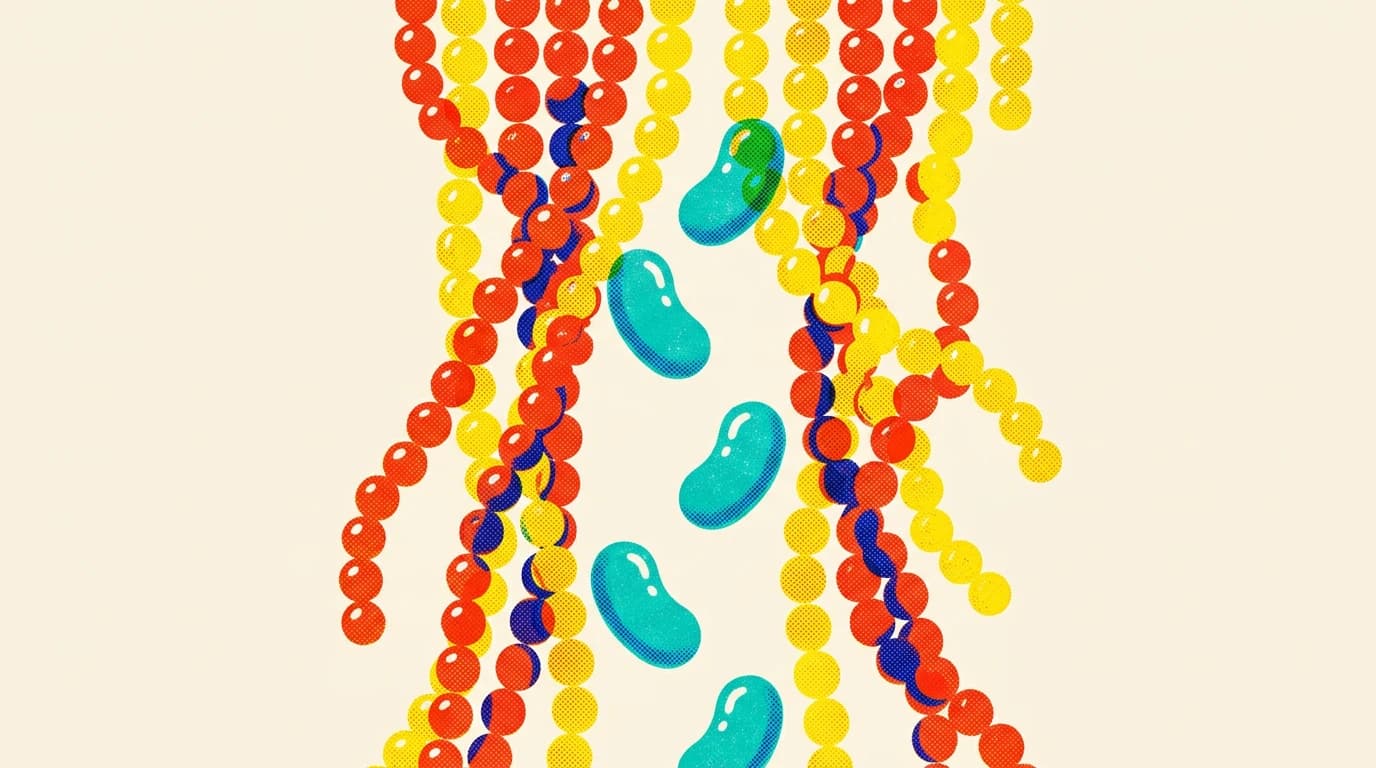
Inside living mammalian cells, transport receptors and tiny sugar molecules stop the nuclear pore barrier from hardening into a solid, preserving a fluid, selective doorway.

From the archive
Inside living mammalian cells, transport receptors and tiny sugar molecules stop the nuclear pore barrier from hardening into a solid, preserving a fluid, selective doorway.

A review of brain scans and animal studies links early, resting brain signals to altered wiring in autism spectrum disorder.

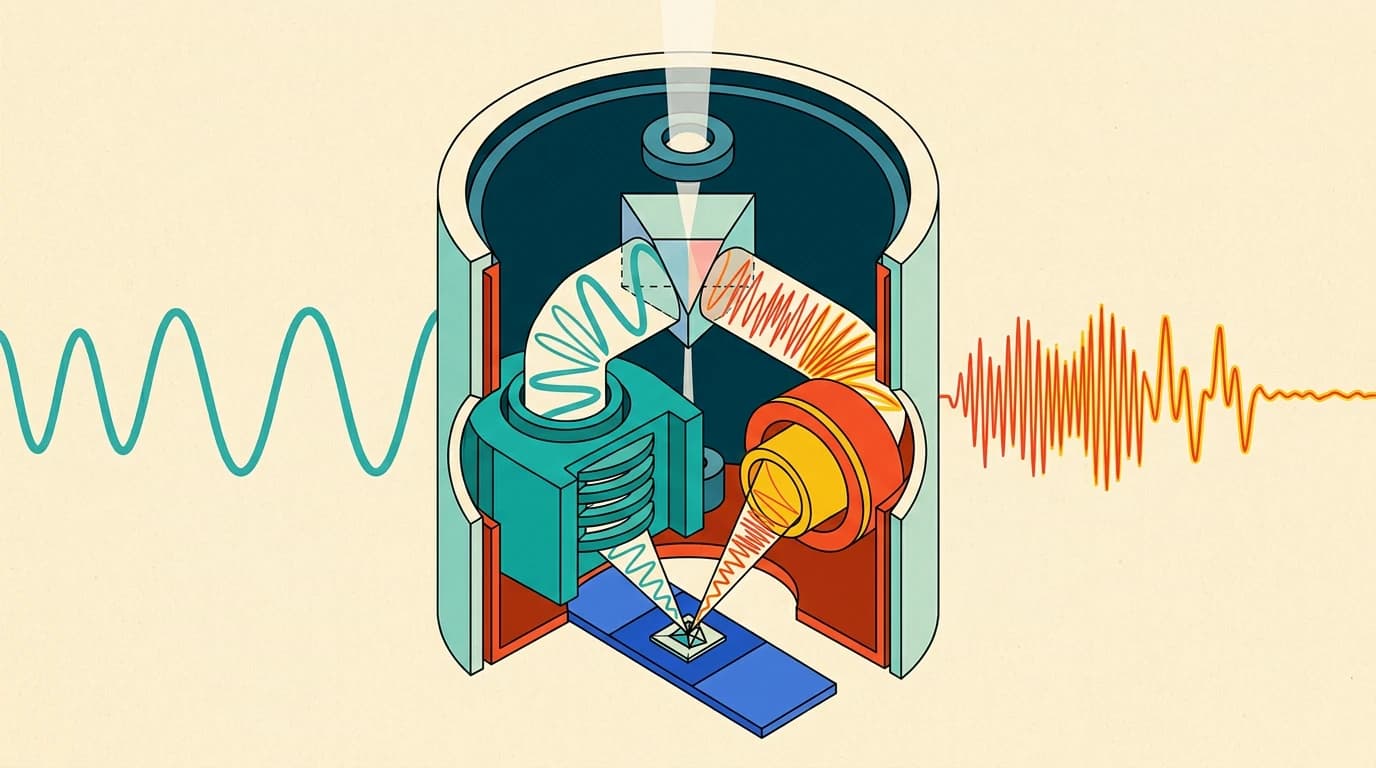
A passive optical setup splits light into separate frequency channels, capturing fine target details using five times fewer photons than standard imaging. The technique improves precision near the physical diffraction limit without altering the sample.

A study in mice reveals how immune signals and nerves control a reversible heat switch in brown fat, and how ageing jams the system on low.
Using robotic floats and machine learning to map subsurface light, scientists tracked changes in ocean primary production down to 200 metres from 2010 to 2026. They found notable declines in the North Atlantic and Southern Ocean, alongside increases in parts of the Pacific.

Scientists have shown a reversible four-electron reaction in water-based iodine cells using a halogen-free electrolyte recipe. This method protects fragile iodine ions in lab tests without harsh additives.

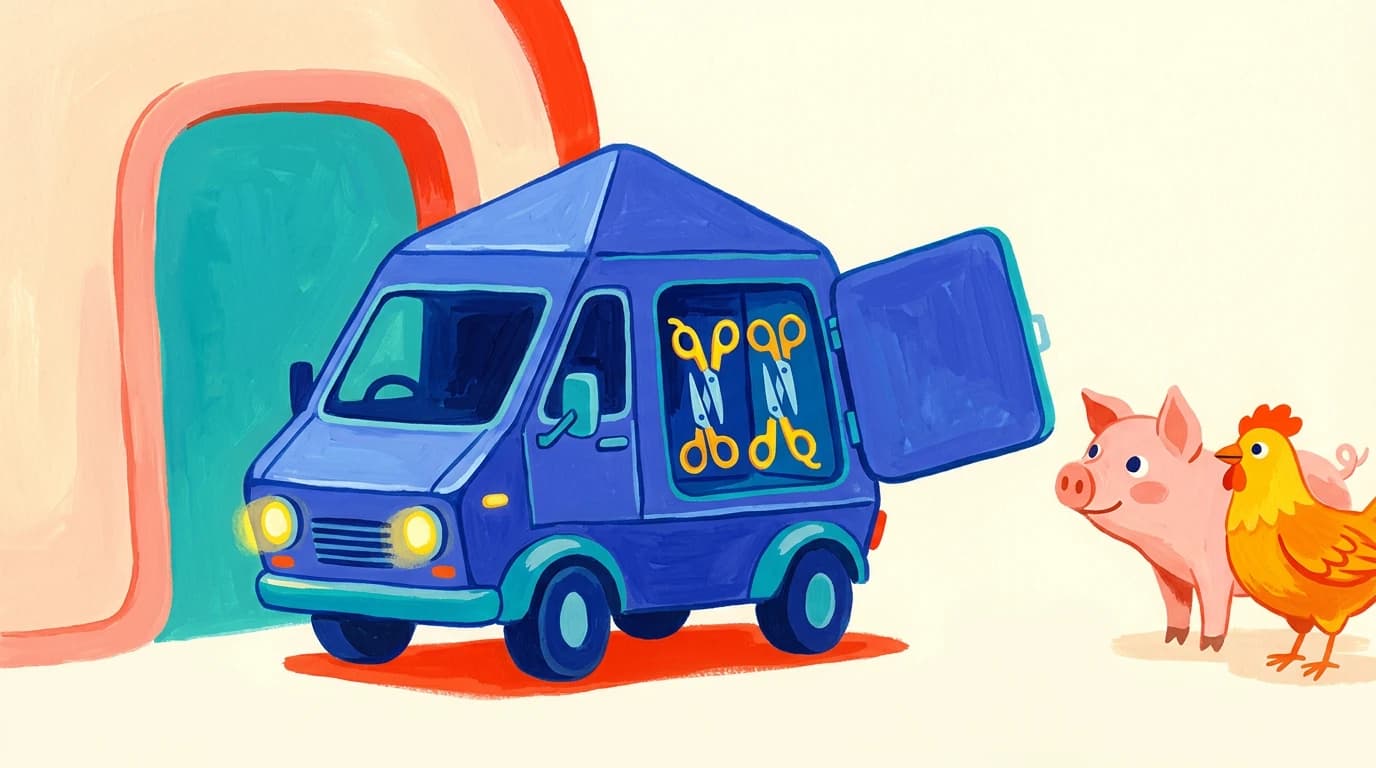
Engineered virus-like particles can reliably transport CRISPR and genetic scissors into chicken and pig cells, mini-organs, and developing eggs.

Ecologists suggest using reproductive value to track how much specific individuals contribute to their group's future, rather than relying on simple headcounts.

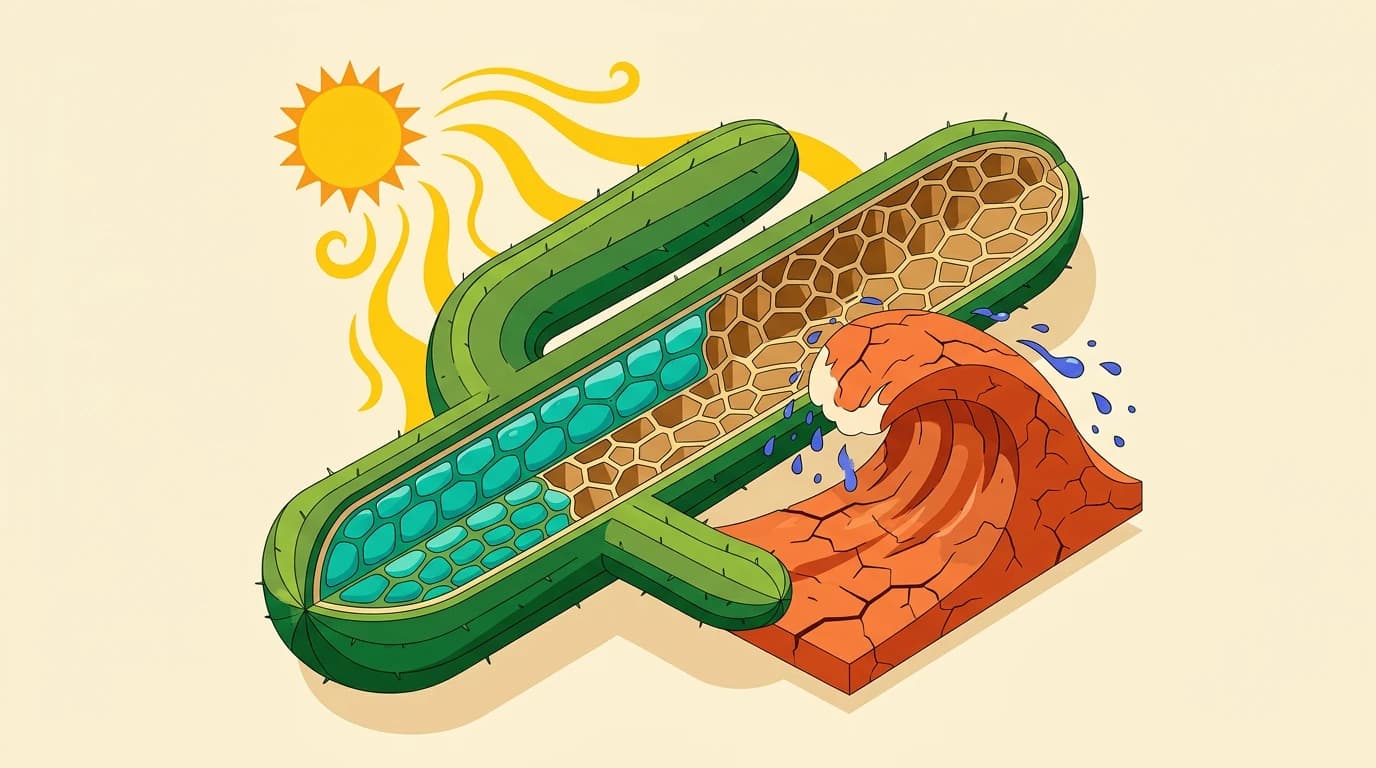
Computer models show that factoring in severe drought alongside warmer temperatures pushes the projected loss of suitable habitat to 69–72% across 993 assessed cactus species.