Global Intelligence Database

Results for "Chemistry & Material Science"

Front Page Only
FOUND 284 MATCHES
#271Chemistry & Material ScienceFront Page1 December 2025

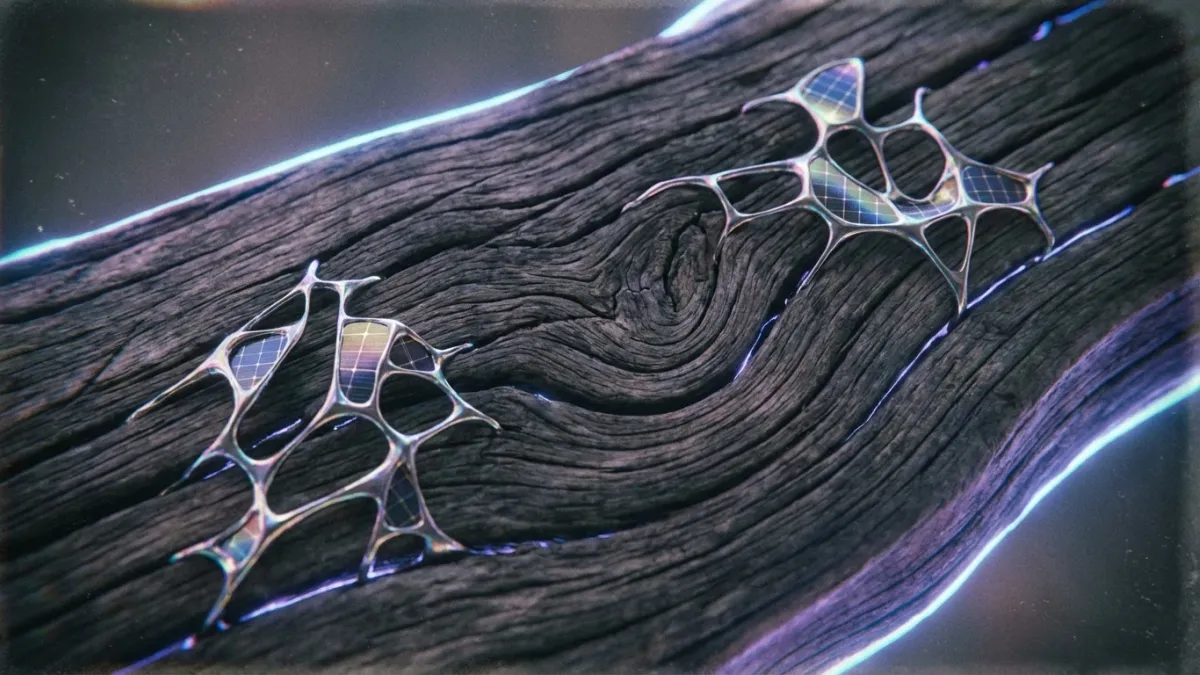
Customising Molecular Skeletons for Superior Solar Energy

Scientists are optimising solar energy harvesting by utilising the tunable nature of Covalent Organic Frameworks (COFs) and Porous Organic Polymers (POPs). By refining the molecular backbones and pores of these materials, researchers can significantly enhance charge transfer and device performance in next-generation solar cells.

By Hashmat, Altaf, Rasool, Waheed, Hamayun, Holder
#272Chemistry & Material ScienceFront Page22 December 2025

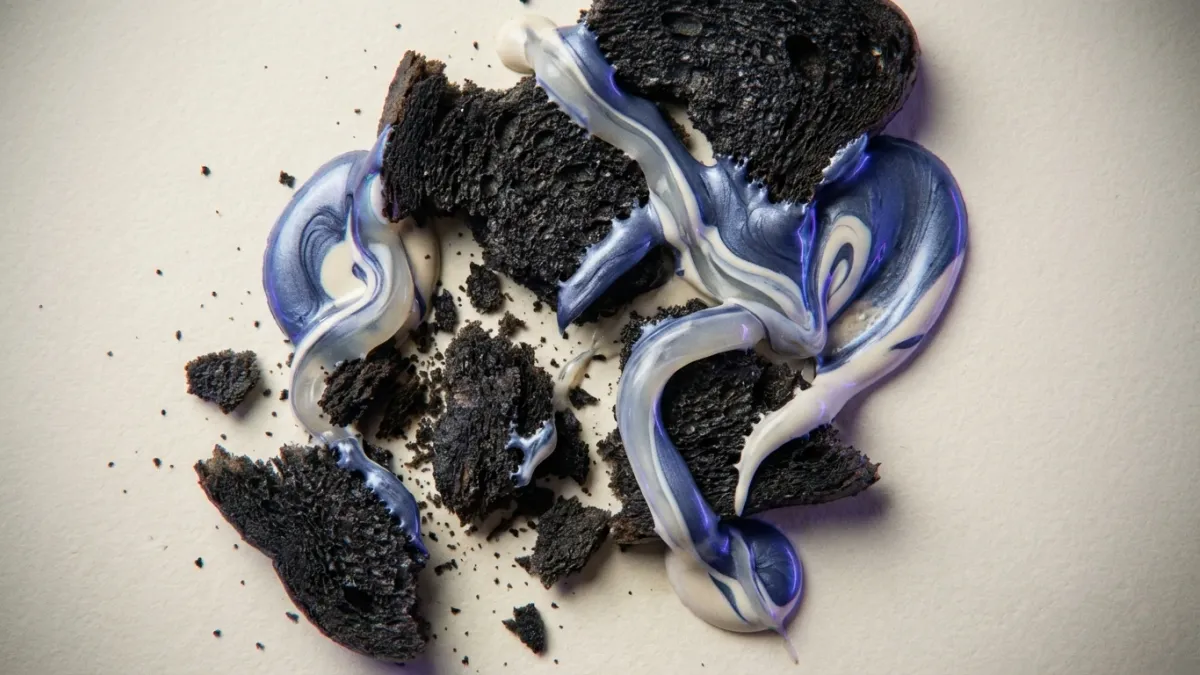
From Burnt Toast to Self-healing Elastomers: A Sweet Solution to Plastic Waste

Researchers have utilised the chemistry behind the Maillard reaction—responsible for browning food—to create a robust, recyclable polymer using maltose. This water-soluble material offers high tensile strength and self-repair capabilities without toxic catalysts.

By Li, Lok, Ngo, Xue, Miao, Feng, Wang, Wong, Low, Lim, Woon, Neffe, Wong, Li, Yang, Yang

#273Genetics & Molecular BiologyFront Page16 February 2026

Atrial Septal Defect Genetics: Decoding the 3D Architecture of the Heart

Researchers have identified a novel genetic locus on chromosome 3p12.3 linked to atrial septal defects, involving the ROBO2 gene. By mapping the physical folding of DNA, the study reveals how distant regulatory elements contact and control genes essential for heart development.

By Kim, Parfenov, Rodriguez-Murillo, Conner, Sharma, Peter, Xiao, Layton, Tai, Ward, Wasson, Gorham, Mazaika, Lagomarsino, Young-Pearse, Goldmuntz, Wakimoto, Agopian, McKean, DePalma, Pu, Seidman, Gelb, Seidman, PCGC Investigators

#274Computer Science & AIFront Page18 November 2025

Life Under the Ice: How Frozen Lakes Reshape Bacterial Communities

Seasonal ice cover, which affects half of the world's lakes, surprisingly boosts bacterial diversity in the water column while leaving sediment communities largely undisturbed. New research highlights how freezing conditions restrict microbial movement and drive contrasting shifts in nitrogen cycling between the water and the lake bed.

By Wang, Zhao, Shi, Sun, Tian, Zhang, Zhao, Cui, Zhang

Page 28 of 29