Neuroscience2 July 2026
Why Your Future Career Might Depend on Repairing the Human Circadian Clock
Source PublicationScience
Primary AuthorsCoculla, Garcia Rodriguez, Ogueta et al.
💡
Learning Metaphor & Analogy
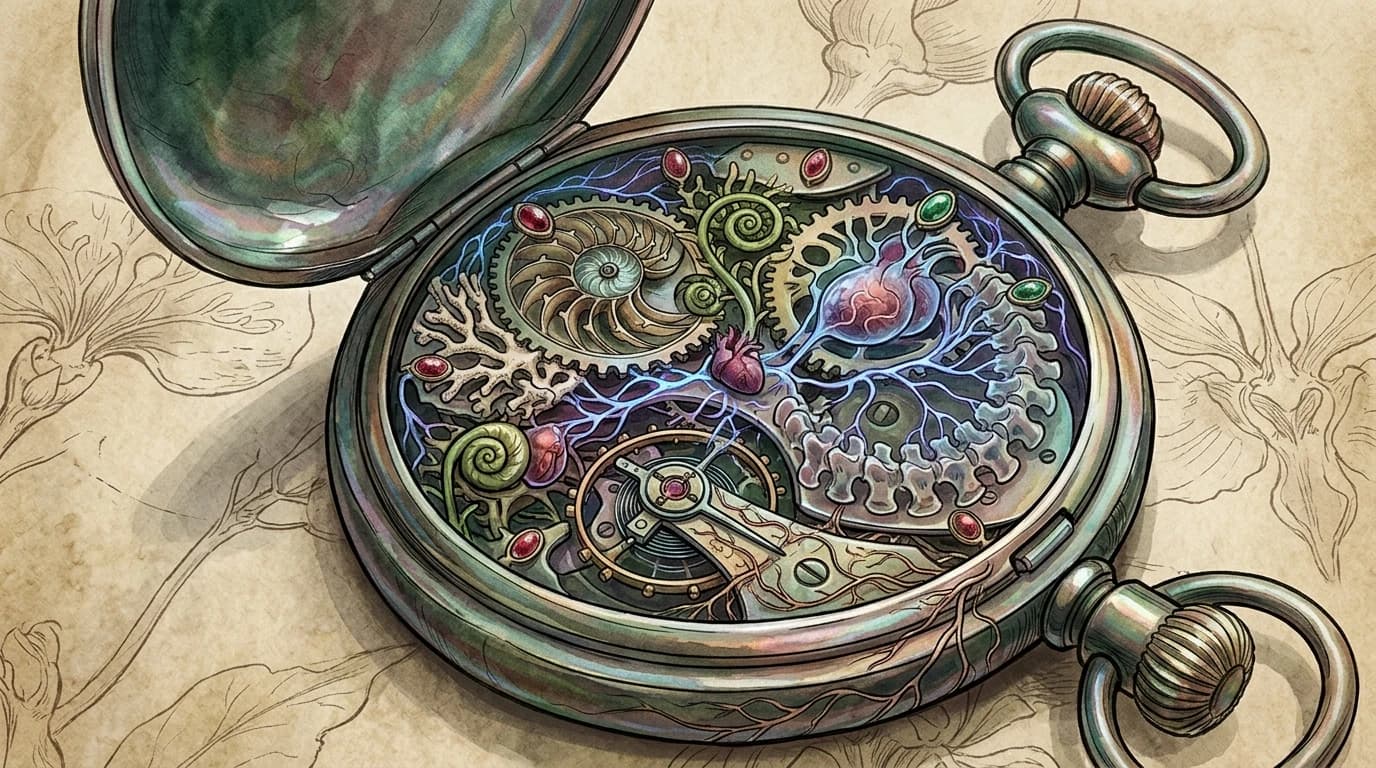
"The circadian clock is like a self-winding wristwatch; even if you try to disrupt its gears with constant movement, it will seek moments of stillness to recalibrate itself."
Imagine living in a city where buildings automatically adjust their lighting to keep your metabolism perfect, or working as a space architect designing habitats that protect astronauts from constant daylight. This future relies on understanding the circadian clock, our body's internal 24-hour timer. Right now, modern life disrupts our natural rhythms with constant screen time and artificial shift work, which associates with poor sleep and chronic illness.
A new lab study examined how fruit flies manage constant illumination. Researchers observed that when flies were exposed to continuous light—which normally degrades a vital clock protein called Timeless and stops their internal rhythm—they actively chose to move between dark and light zones. By selecting dark periods, the flies maintained their molecular rhythms and experienced better sleep quality.
A new lab study examined how fruit flies manage constant illumination. Researchers observed that when flies were exposed to continuous light—which normally degrades a vital clock protein called Timeless and stops their internal rhythm—they actively chose to move between dark and light zones. By selecting dark periods, the flies maintained their molecular rhythms and experienced better sleep quality.
Engineering the Future Circadian Clock
This study suggests that organisms do not just passively react to light; they actively seek environments to preserve their internal timing. By the time you graduate college, this insight could drive new industries. You could work in:- Chronobiological architecture, designing smart homes that automatically cycle light colours.
- Space biology, programming light schedules for Mars colonies to maintain astronaut health.
- Bioinformatics, developing wearables that track molecular clock proteins in real-time.
Cite this Article (Harvard Style)
Coculla et al. (2026). 'Fruit flies actively restart their circadian clock by proactively shaping their environment.'. Science. Available at: https://doi.org/10.1126/science.adw2239