Why PFA Ependymoma Strikes Boys Harder: A Hormonal Clue
Source PublicationNature
Primary AuthorsZhang, Ong, Rasnitsyn et al.
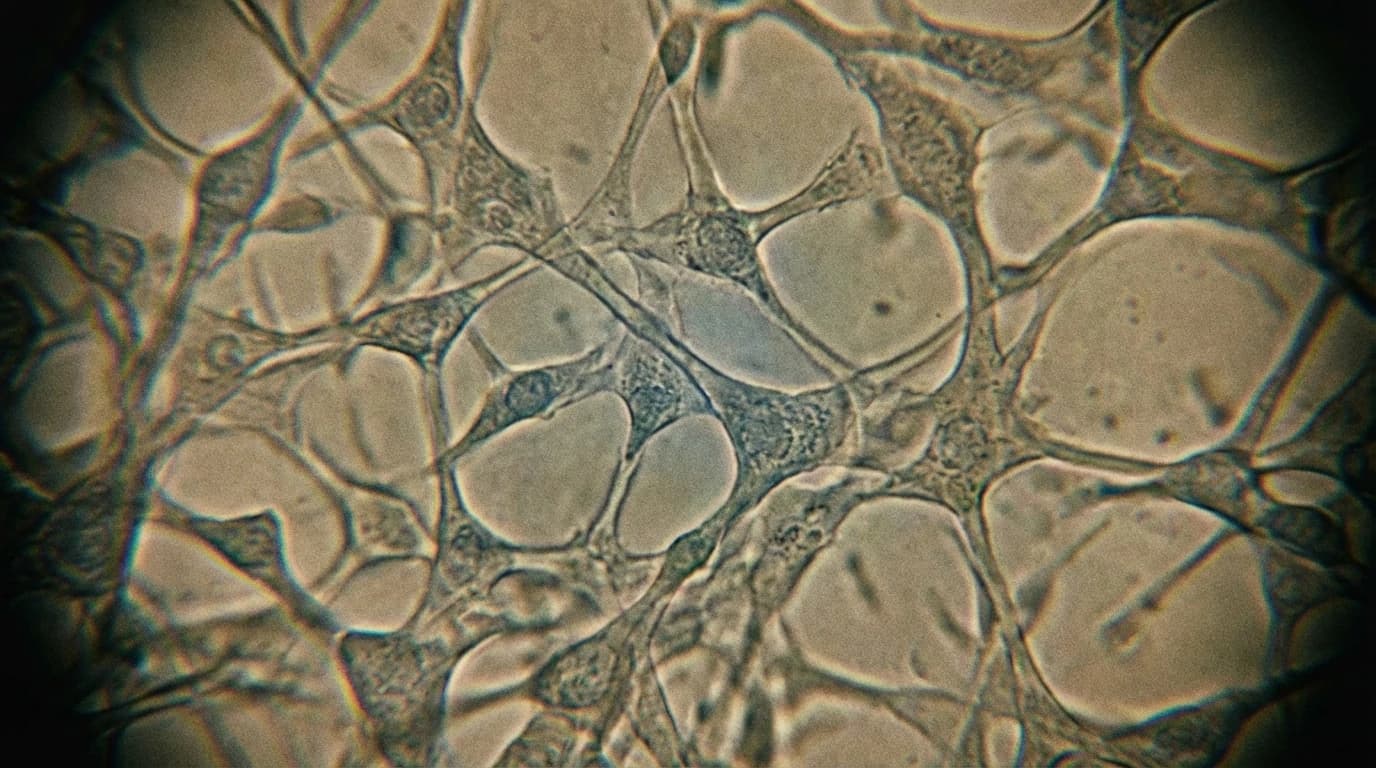
Deep within the base of the skull, the developing hindbrain quietly directs an infant's most fundamental rhythms. It manages the breath, the swallow, the steady beating of the heart in the dark. When a mass takes root here, it occupies the most delicate, unforgiving real estate in the human body.
These results were observed under controlled laboratory conditions, so real-world performance may differ.
Surgeons operate in margins measured by millimetres, and traditional chemotherapy often fails to halt the invisible advance of the disease. For decades, oncologists have watched a bizarre and tragic pattern play out in paediatric wards. Little boys are struck far more frequently by these specific hindbrain masses than little girls.
When infant boys do autumn ill, their decline is often steeper. The biological reasons for this quiet bias have remained entirely hidden, leaving families and doctors grasping for answers.
The Mystery of PFA Ependymoma
This particular malignancy is known as PFA ependymoma. It is an unusual, aggressive brain tumour that primarily afflicts infants and toddlers.
Unlike many adult cancers driven by obvious genetic mutations, this childhood disease is remarkably stealthy. It operates almost entirely through epigenetic mechanisms, altering how the genome is read without ever changing the underlying DNA code.
Because its biological machinery has remained so opaque, designing targeted drugs has proved nearly impossible. The striking sex disparity—higher incidence and worse survival rates in males—has been one of the few tangible clues available to researchers.
Isolating the Culprit
Scientists recently sought to understand why male brains were so deeply vulnerable. They examined the cellular structure of the tumours, carefully comparing samples from both sexes.
The team found that the cells in male patients were far less differentiated. Instead of maturing into highly specialised brain tissue, the male cells remained trapped in a primitive, stem-like state.
To isolate the exact cause, the research team turned to a specialised four-core genotype mouse model. This allowed them to separate the genetic influence of male sex chromosomes from the physical effects of male hormones.
The laboratory measurements showed that androgen signalling was the true driver. Male hormones, rather than the Y chromosome itself, actively prolonged the raw, undifferentiated state of hindbrain cells during early development.
To test this, researchers supplemented the models with extra androgens. The specific infantile tumours grew rapidly, while other types of brain cancer remained unaffected.
A New Clinical Target
This finding completely reframes the biology of the disease. It suggests that the very hormones guiding normal male development inadvertently provide a highly volatile environment where cancer cells can thrive.
More importantly, the study measured what happens when those hormones are actively suppressed. When researchers applied androgen blockade in the lab, it severely diminished the tumour's stem-like potential and choked off its proliferation.
This observation points toward an entirely new therapeutic angle. By repurposing existing anti-androgen drugs, doctors might finally possess a mechanism to stall the disease.
Moving forward, researchers must determine how to apply these treatments in a clinical setting:
- Testing existing hormone blockers in early-phase paediatric trials.
- Monitoring the long-term developmental effects of suppressing androgens in infants.
- Identifying which specific patients might respond best to this intervention.
Extensive clinical trials will be required to see if these laboratory results translate safely to human patients. Yet, for a cancer that has historically offered nothing but closed doors, this hormonal vulnerability presents a clear, actionable path forward.