Why Obesity Complications Are Like Having Too Many Apps Running on Your Phone
Source PublicationMinerva Endocrinology
Primary AuthorsBRACALE, on behalf of SIO Campania, VERDE et al.
"Running too many high-graphics apps on a smartphone, which drains the battery, overheats the processor, and crashes background systems."
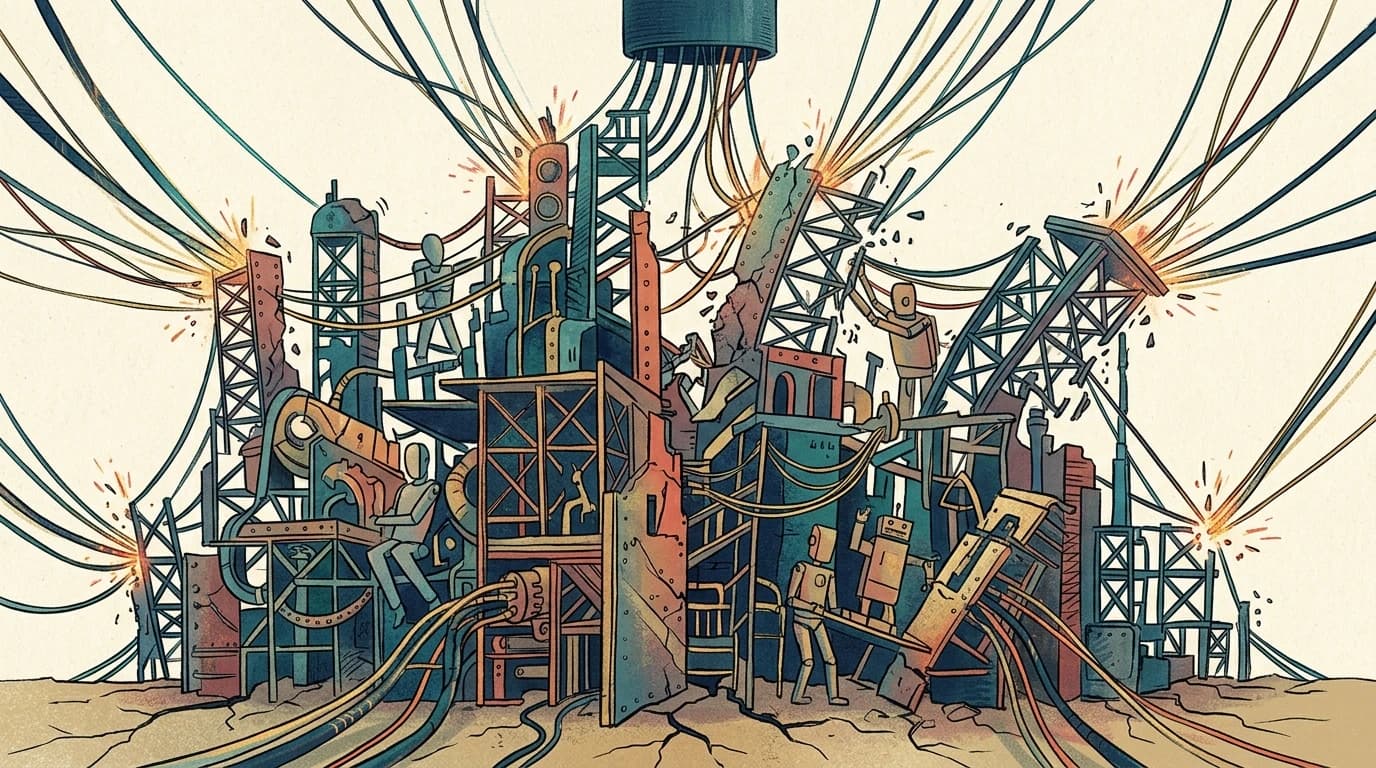
Imagine your smartphone running twenty high-graphics games at the same time. The battery drains, the processor overheats, and background systems start crashing. That is exactly how excess fat strains your body's internal systems, forcing them to run on maximum power 24/7.
Since 1975, global obesity rates have nearly tripled. This is not just about carrying extra weight; it is a chronic, relapsing disease. The world you are inheriting faces a massive health challenge because this condition forces your internal organs to work in overdrive, leading to serious long-term damage.
A recent scientific review analysed how this physical strain triggers specific obesity complications. When excess fat cannot fit into normal storage, it spills over into organs. The researchers mapped out how this ectopic fat causes:
- Obstructive sleep apnoea, where fatty tissue physically collapses the upper airway during sleep.
- Metabolic dysfunction-associated steatotic liver disease (MASLD), driven by toxic fat build-up and insulin resistance.
- Chronic kidney disease, where kidneys are forced to filter blood at dangerously high pressures.
- Dyslipidaemia, which raises bad cholesterol and lowers the good kind, clogging blood vessels.
Preventing Obesity Complications in Tomorrow's World
This research suggests that managing these risks requires more than just counting calories. Modern therapies like GLP-1 receptor agonists and sodium-glucose cotransporter-2 inhibitors may help protect vital organs from permanent damage.
By organising early, multidisciplinary medical care, we can help people protect their kidneys and hearts. This approach could reduce the future burden on our healthcare systems and improve quality of life.