Why nearly half of all reef-building corals now face extinction
A major reassessment reveals that 44% of surveyed reef-building coral species are threatened with extinction, largely due to rising ocean heat.
Reading level
The full story with proper science words explained.
A troubling ocean tally
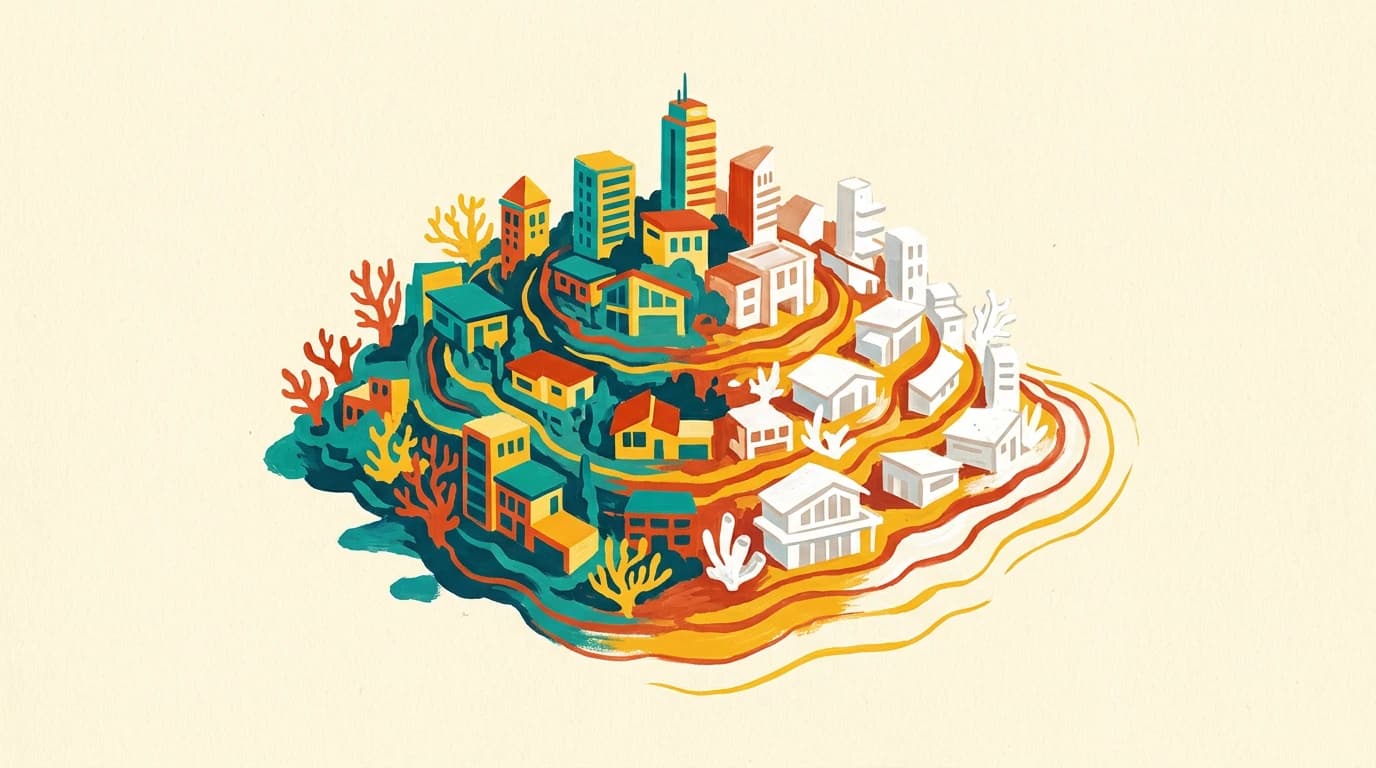
Think about checking the safety of an entire city after an earthquake without looking inside every single house. Instead, you look at maps of ground shaking, see how common buildings hold up, and calculate the overall danger. That is close to how marine experts had to assess the threat of coral reef extinction for 892 reef-building corals, which are hard corals that build the solid stony frames of reefs.
Nobody can count every coral animal across vast oceans. So, experts scored each kind against the IUCN Red List, a global framework that ranks species by their danger of dying out. Out of 774 species with enough data to study, 340 kinds, or 44 percent, were judged to be threatened.
Hot water and proxy clues
To see how species might fare, the team modelled drops in numbers over three decades. They tracked overall coral cover losses and mapped where annual severe coral bleaching is expected. Bleaching happens when hot water causes corals to push out the helpful algae living inside their tissues. These forecasts used SSP2-4.5, a moderate future greenhouse gas emissions pathway used in climate computer models.
Next, the team modified these results by checking the special biological traits of each coral type. The final score placed 33 species as Critically Endangered, 251 as Endangered, and 56 as Vulnerable. Thermal stress, which is heat damage caused when seawater stays too warm, was the main driver pushing numbers down. This loss puts ecosystems at risk that support coastal communities across more than 100 tropical countries.
What we still do not know
Just like judging city building damage from heat maps rather than door-to-door visits, this method has real limits. Experts had to rely on proxy data because precise numbers for individual species do not exist, and many wild ranges are poorly mapped.
The findings may even be cautious. The study was completed before the three hottest years on record, the 2023 to 2025 global bleaching event, and the first full year passing 1.5°C of warming. True counts across entire wild ranges and exact recovery speeds remain unknown.
Science words
- Reef-building corals
- Corals that secrete hard skeletons and form the structural foundation of coral reef ecosystems.
- IUCN Red List
- A global system that categorizes species into standardized tiers of extinction risk based on population size, decline rate, and range.
- Coral bleaching
- A stress response where corals lose the beneficial algae living in their tissues, often triggered by elevated water temperatures.
- SSP2-4.5
- A moderate greenhouse gas emissions trajectory used in climate modeling scenarios.
- Thermal stress
- Harmful environmental stress caused by ocean temperatures rising above a coral's normal tolerance levels.
Check it yourself
This story is based on a real research paper in Nature by Obura, Polidoro, Cabada-Blanco et al. We write with AI help and check it against the paper, but the original is the final word.