Why Finding a Dengue Virus Treatment Is Like Hitting a Moving Target
Source PublicationEmerging Microbes & Infections
Primary AuthorsBouzidi, de Lamballerie, Touret
"Defending a fortress against invaders who constantly change their uniform colour."
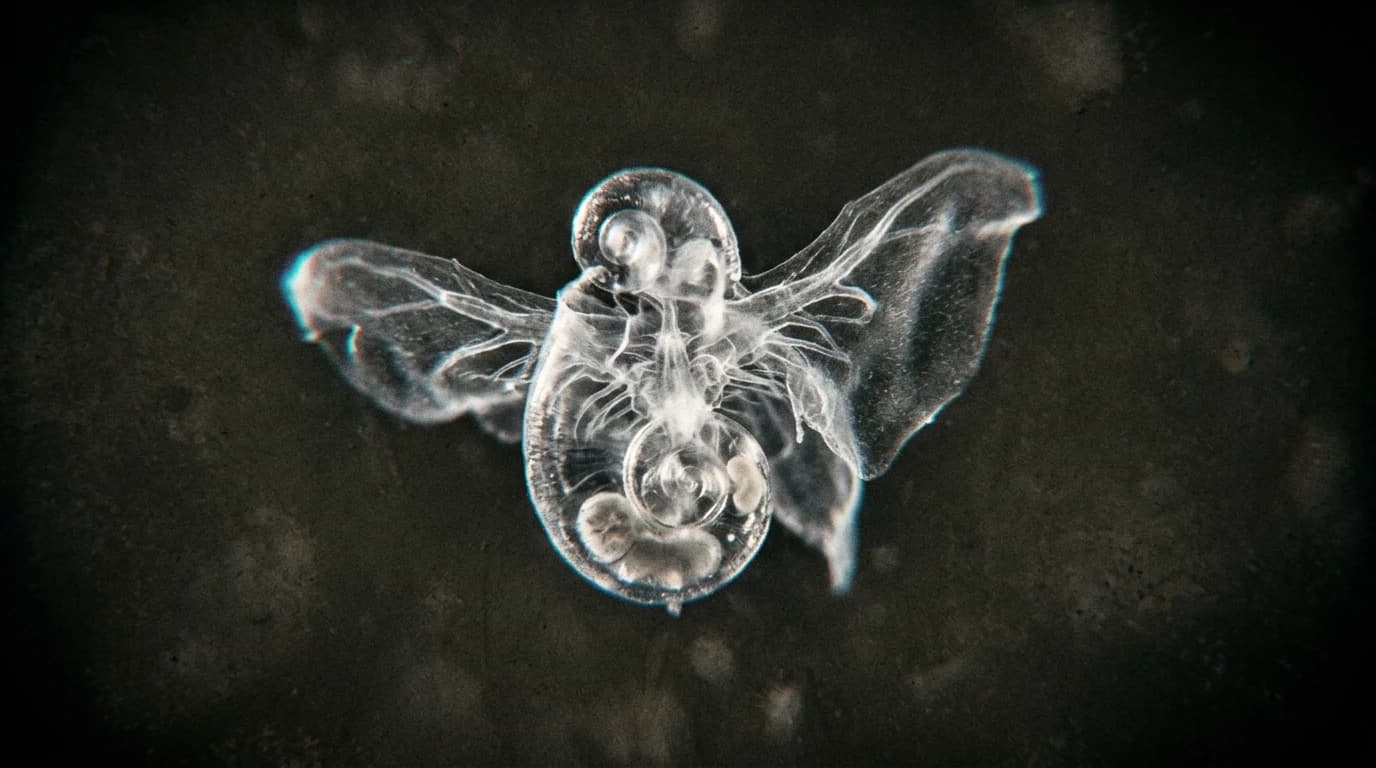
Imagine trying to defend a fortress where the invaders change their uniform colour every single day. If you train your guards to attack the red soldiers, the blue ones slip right through the gates. This is the exact trap our immune systems face when dealing with dengue, which circulates in four distinct varieties.
These results were observed under controlled laboratory conditions, so real-world performance may differ.
With global temperatures rising, mosquitoes are expanding their territory, carrying the virus to new regions. This makes finding an effective dengue virus treatment more urgent than ever. Historically, attempts to design therapies have stalled because antibodies against one strain can accidentally help a second strain infect cells.
A recent scientific review analysed data from several clinical trials, including NCT04722627 and NCT05201794. The researchers measured how new therapies targeted conserved regions of the virus—parts that do not change from strain to strain.
The Future of Dengue Virus Treatment
The clinical data suggest that combining these tools could prevent the virus from mutating to escape human defence systems. The review highlights three key methods:
- Tetravalent vaccines designed to immunise against all four strains simultaneously.
- Engineered antibodies that block infection without triggering harmful immune overreactions.
- Direct-acting antivirals that stop the virus from replicating inside human cells.
These combined methods may neutralise the threat, though researchers must still translate these lab successes into widely available clinic therapies.