Why Direct Neuronal Reprogramming Is the Future of Brain Repair
Source PublicationopenRxiv
Primary AuthorsBueno, Martinez-Morga, Rodriguez-Lozano et al.
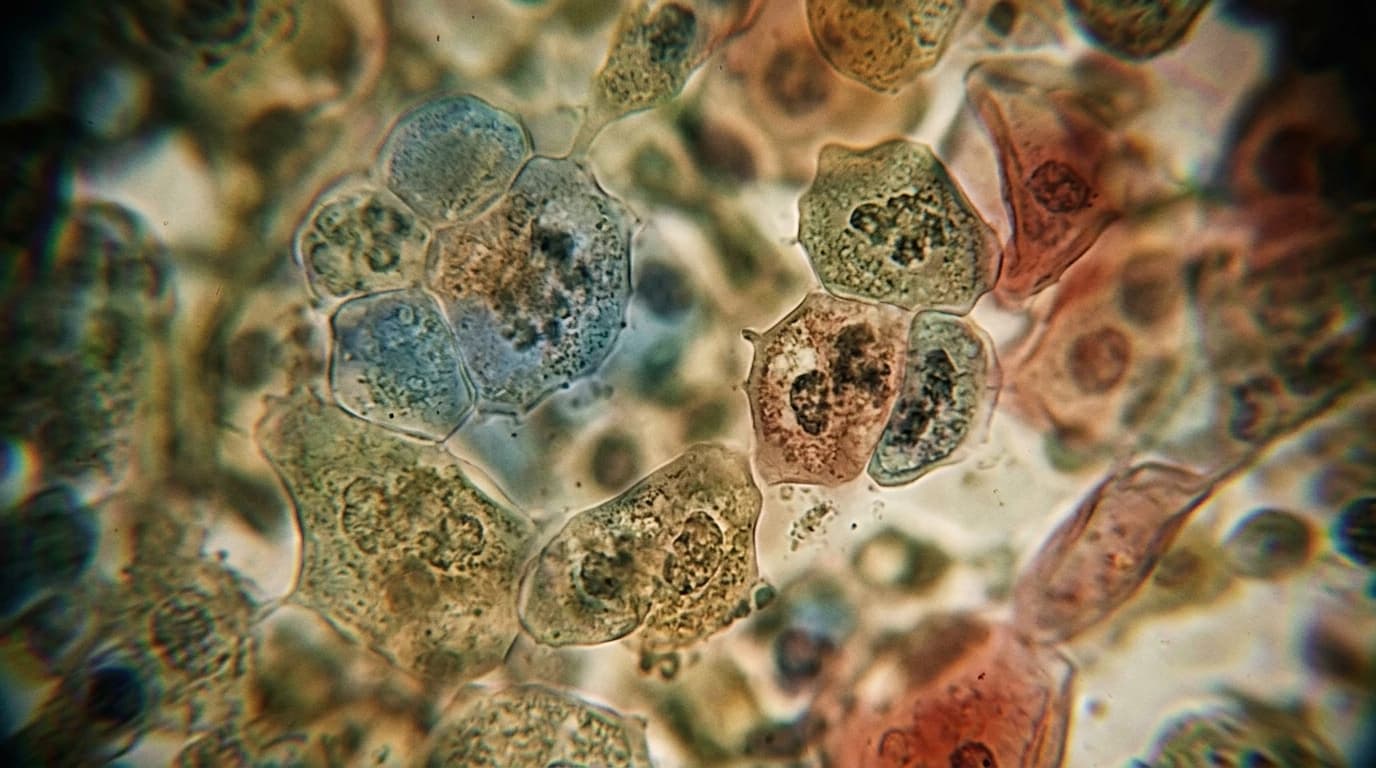
Regenerating human brain cells currently relies on slow, complex stem cell protocols that risk introducing genetic mutations. To bypass this, researchers are turning to direct neuronal reprogramming, a technique that coaxes adult structural cells to transform directly into functional neurons.
These results were observed under controlled laboratory conditions, so real-world performance may differ.
By tracking the cellular transition in real-time, a new study has identified a previously hidden intermediate phase that regulates this cellular identity shift. The research team analysed the conversion of bone marrow, dental pulp, and adult skin cells. The data showed that cells undergo rapid structural and nuclear changes during a brief, distinct intermediate state without undergoing cell division. The resulting cells developed neuronal polarisation, expressed synaptic markers, and formed interconnected networks. Notably, placing a glass coverslip over the cells during transdifferentiation significantly increased cell survival.
Understanding this transient state allows scientists to control the conversion process with far greater precision, reducing the risk of cellular errors.
Applications of Direct Neuronal Reprogramming
This structural insight suggests we could soon manufacture bespoke human neurons in weeks rather than months. Over the next five to ten years, this approach could shape several clinical fields:
- Bespoke Drug Screening: Patient-derived neurons can be generated rapidly to test custom therapies for Parkinson's or Alzheimer's.
- In Vivo Brain Repair: Future therapeutics might instruct support cells already inside the brain to convert directly into active, healthy neurons.
- Accelerated Disease Modelling: Scientists can model complex neurological conditions in vitro with higher cellular survival rates and accuracy.