Why Compact TnpB Genome Editing Could Redefine the Next Decade of Biotech
Source PublicationNature Biotechnology
Primary AuthorsThornton, Weissman, Rodriguez et al.
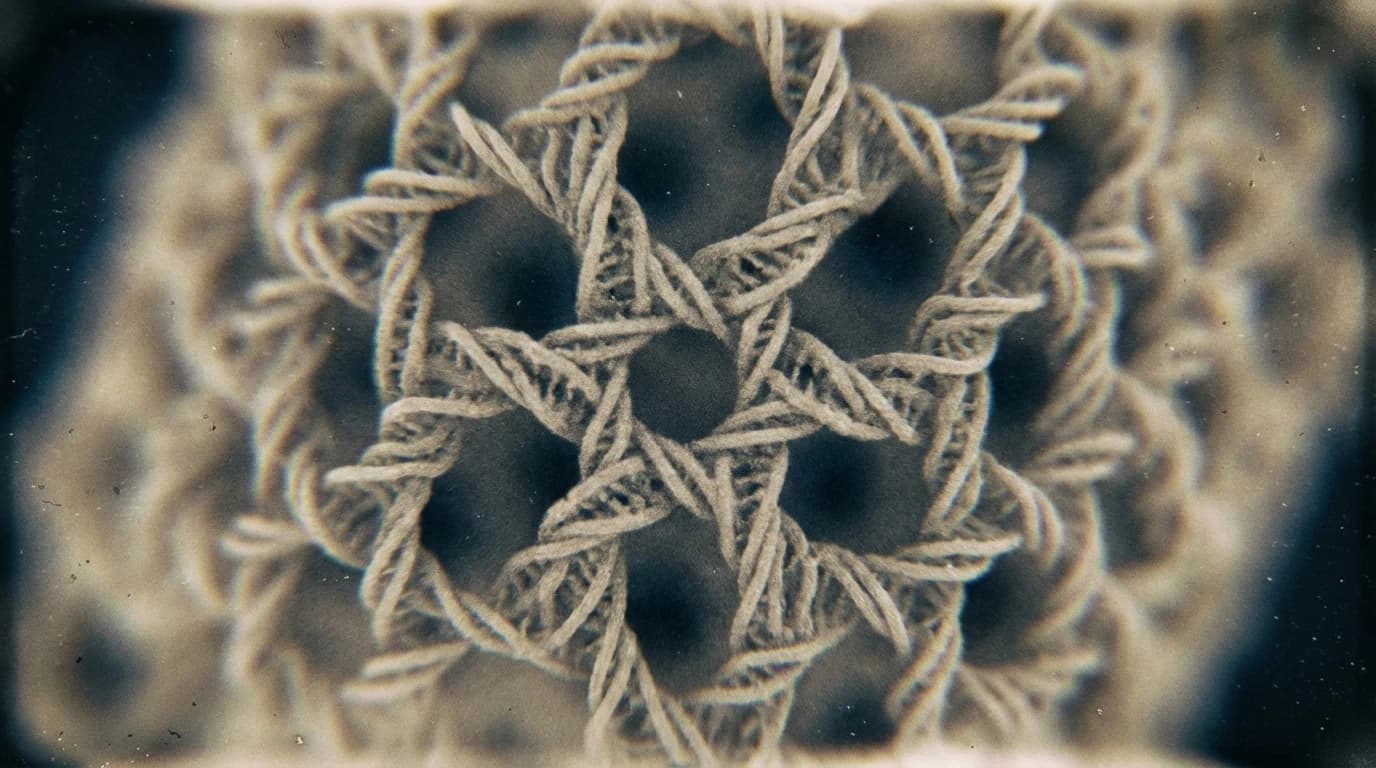
Current gene-editing tools like CRISPR-Cas9 are highly effective, but they are physically massive. This bulk makes them difficult to package and deliver into human cells or crops using standard vectors. Enter a tiny alternative called TnpB. A new laboratory study demonstrates how engineered TnpB genome editing shows early promise for bypassing size limitations, offering a much smaller, highly active tool.
These results were observed under controlled laboratory conditions, so real-world performance may differ.
TnpB enzymes are naturally occurring, miniature DNA-cutting proteins found in bacteria. Because of their compact size, biologists have long viewed them as the ideal candidate for next-generation biotechnology. However, in their natural state, most TnpB proteins exhibit weak editing activity, limiting their practical use.
Engineering a Better Scissor for TnpB Genome Editing
To solve this low-efficiency problem, researchers mapped comprehensive sequence-function landscapes of a TnpB ribonucleoprotein using deep mutational scanning. They identified specific mutations in both the protein and its guiding RNA that activate the enzyme's latent abilities. By combining these mutations, the team built two highly enhanced TnpB variants.
When tested in the lab, these engineered variants showed massive improvements. The study measured up to a 50-fold increase in insertion and deletion frequencies in Nicotiana benthamiana plants, reaching 55% efficiency. The modified enzymes also successfully edited DNA in human cells, pepper, and rice. The data shows they outperformed other compact editors, such as ISYmu1 and AsCas12f-HKRA.
The Next Decade of Agricultural and Medical Biotech
This newly discovered latent activity suggests that TnpB could eventually complement or replace larger CRISPR systems in applications where space is strictly limited. Over the next five to ten years, this shift toward miniature editors could accelerate research into cellular engineering. Because smaller enzymes take up less physical space, they leave more room for the additional genetic instructions needed to programme complex cellular behaviours in the lab.
If these early laboratory results translate to broader applications, researchers could eventually deliver editing tools into plant and human cells with much greater efficiency. In agricultural research, compact editors could simplify the process of modifying crops. Plant cell walls are notoriously difficult to penetrate, but smaller molecular machinery generally makes cellular delivery more viable.
The successful edits measured in rice and pepper, alongside human cell cultures, suggest these tiny proteins may soon expand our genetic toolkit. Future applications of this compact technology could include:
- Streamlining the delivery of genetic modifications in human cell research.
- Accelerating the development of improved staple crops like rice and pepper.
- Creating more efficient cellular delivery systems for space-constrained environments.
While the current study measured activity in isolated human cells and specific plants, the data suggests a clear trajectory. Miniature editors might soon become the standard tool for precision biology, moving us past the physical limitations of early CRISPR systems.