Why blood tests for brain growth proteins cannot track depression recovery
A systematic review reveals that blood levels of brain-derived neurotrophic factor do not reliably reflect whether brain stimulation treatments relieve severe depression.
Reading level
The full story with proper science words explained.
A missing biological signal
Two-thirds of severely depressed patients in one study recovered after care, yet their blood showed no physical change.
For years, scientists have hunted for a reliable BDNF depression biomarker. Brain-derived neurotrophic factor, or BDNF, is a protein that helps brain cells survive and grow. When people receive brain stimulation, their brains undergo neuroplasticity. This is the brain's ability to rewire its connections and adapt. Brain tissue is hard to sample directly in living patients. Because of this, scientists test blood to see if BDNF levels mirror this healing process.
Looking for clues in the blood
A systematic review examined 11 studies of adults with major depression. These patients received either electroconvulsive therapy (ECT) or repetitive transcranial magnetic stimulation (rTMS). ECT sends brief electrical currents through the brain under anaesthesia to trigger a therapeutic seizure. In contrast, rTMS uses targeted magnetic pulses to stimulate brain areas near the skull. Across two randomised controlled trials and nine observational studies, teams measured BDNF before and after care.
The test results told a mixed story. In one trial of 30 patients receiving ECT, depression scores dropped by 64 percent. Twenty of those patients saw their depression lift fully. Even so, their blood BDNF levels stayed flat. Another study tracked 88 older adults. It found big symptom relief and clear growth in the hippocampus, a brain region tied to memory. Yet their blood BDNF levels did not change at key checks.
Even when BDNF did rise, it failed to show whether a patient felt better. In a trial with 24 adults, BDNF in liquid serum jumped after ECT. However, BDNF in plasma did not move, and the serum jump did not match clinical recovery. In another trial of 60 patients, combining aerobic exercise with ECT boosted recovery rates. Yet plasma BDNF shifts failed to explain that boost.
Why the signal gets lost
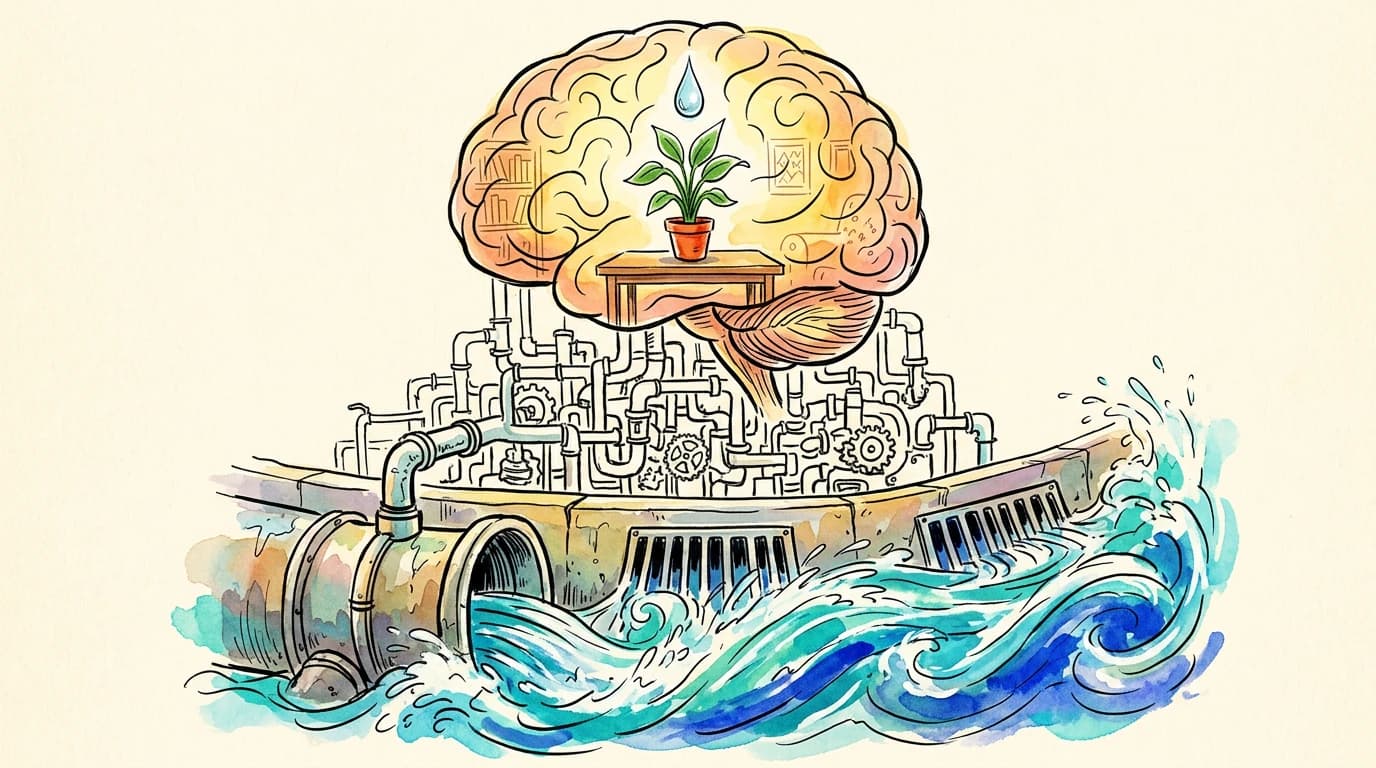
Testing blood BDNF to track brain healing is like checking a city drain to see if someone watered a houseplant. The brain may rewire itself, but the signal gets lost in the body. Platelets and other body tissues store and release huge amounts of BDNF. This extra supply hides small shifts that happen inside the head.
These results show that blood BDNF cannot work as a standalone test to track how people respond to care. Importantly, this lack of a blood shift does not mean the brain failed to heal. For now, doctors must keep using standard mood scales instead of blood tests to track recovery.
What we still do not know
Key questions remain unanswered. Most reviewed studies were small. They also tested differing biological matrices, which are the specific fluids used for testing, like clotted serum versus unclotted plasma. Furthermore, standard tests measured total BDNF rather than separating the active protein from its precursor form, proBDNF. Scientists also do not know if spinal fluid tests would tell a clearer story when blood tests stay flat.
Science words
- Brain-derived neurotrophic factor (BDNF)
- A protein that supports the growth, survival, and wiring of brain cells.
- Neuroplasticity
- The brain's ability to reorganise its connections, structure, and activity.
- Electroconvulsive therapy (ECT)
- A medical treatment that sends brief electrical pulses through the brain under anaesthesia to cause a helpful seizure.
- Repetitive transcranial magnetic stimulation (rTMS)
- A gentle treatment that uses magnetic pulses to stimulate specific regions of the brain.
- Biological matrix
- The specific bodily fluid or tissue analysed in a test, such as serum or plasma.
Check it yourself
This story is based on a real research paper in Cureus by Galindo, Jemar, Osorio et al. We write with AI help and check it against the paper, but the original is the final word.