Why Bacteria Might Power Your Next Phone: The Bacterial Cellulose Solid Electrolyte
Source PublicationNanotechnology
Primary AuthorsMiao, Wang, Wang et al.
"It is like replacing a fragile, leaky paper filter in a coffee machine with a tough, custom-woven metal mesh that lets the liquid flavour through but completely stops any coffee grounds from escaping."
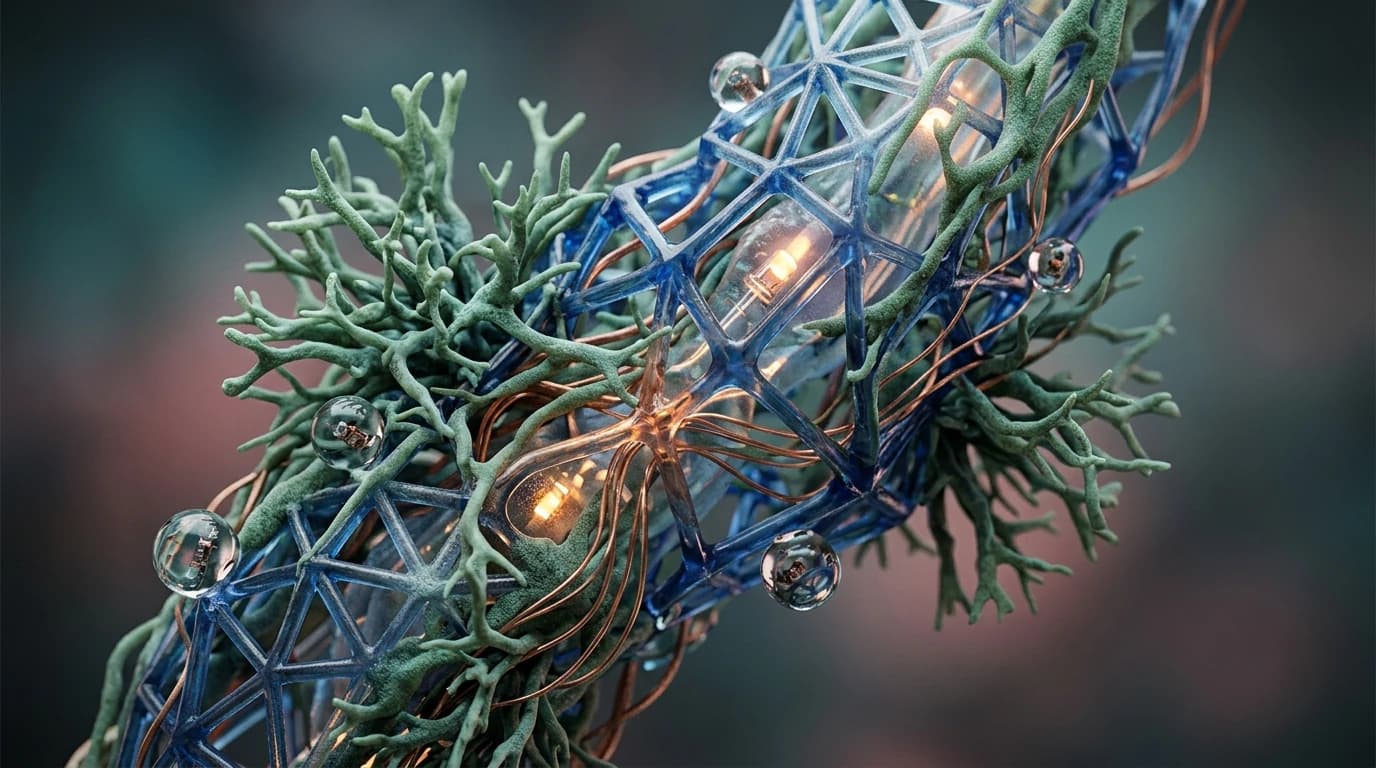
The Power of Bacterial Cellulose Solid Electrolyte
Did you know your next phone battery might be grown by bacteria? Standard lithium batteries use liquid electrolytes that can leak and catch fire. To solve this, scientists are developing solid alternatives, but these often suffer from high resistance and poor mechanical strength.
Enter a surprising organic hero. A new review highlights how a bacterial cellulose solid electrolyte could resolve these safety issues. This natural nanomaterial forms a tough, three-dimensional nanofibrillar network. This structure physically blocks "dendrites"—tiny, sharp lithium spikes that grow inside batteries and cause dangerous short circuits.
The study analyses how researchers can chemically modify this green material. These customisations help to:
- Organise efficient pathways for lithium ions to travel.
- Enhance the physical strength of the electrolyte.
- Minimise interfacial resistance inside the cell.
Because bacterial cellulose is abundant and cheap, it may allow factories to mass-produce safer solid-state batteries. While current designs remain laboratory prototypes, this bio-friendly platform suggests a greener, safer future for portable electronics.