Why Ancient Bird Droppings Predict the Future Seabird Population Decline
Source PublicationProceedings of the National Academy of Sciences
Primary AuthorsLi, Roberts, Grosjean et al.
Tracking the Seabird Population Decline
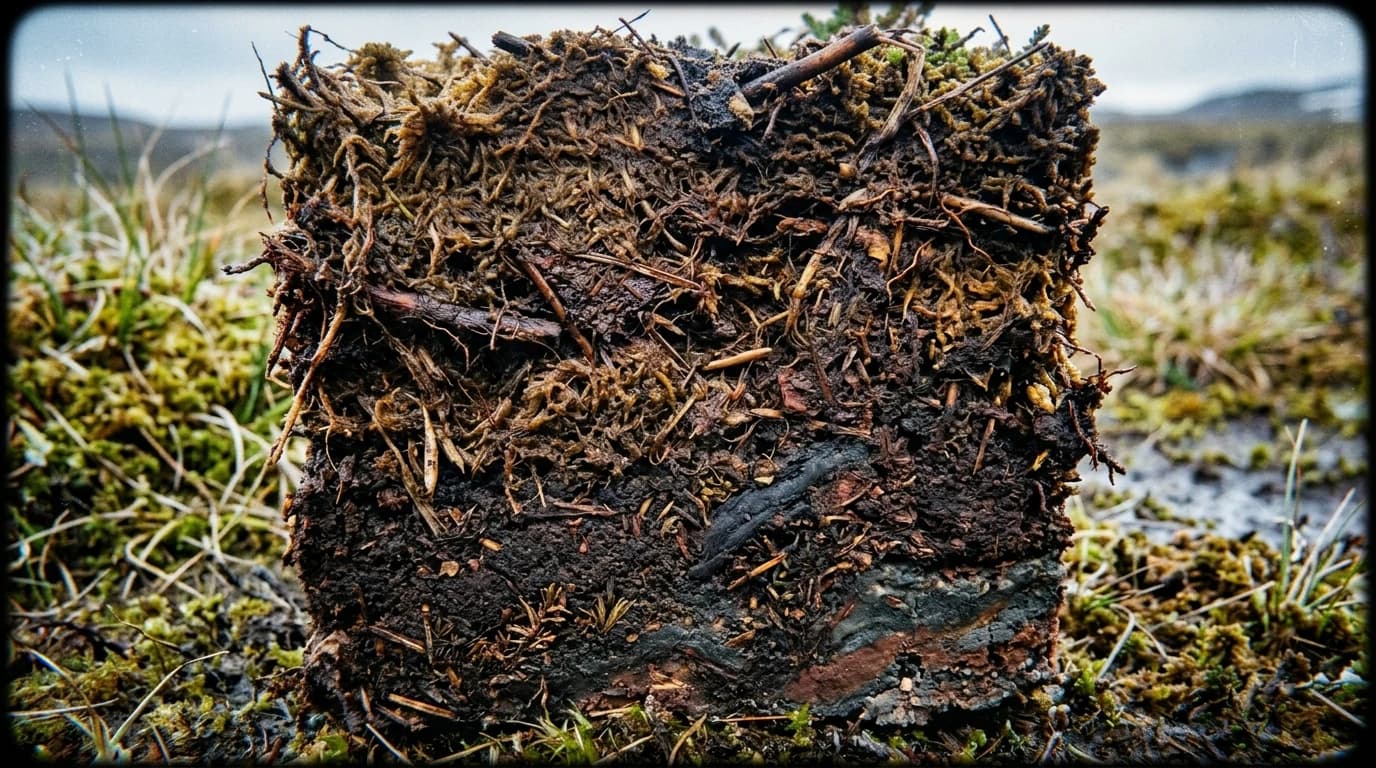
Imagine your local pub’s floorboards could tell you exactly how many patrons visited each Saturday night for the last 6,000 years. By looking at the stains and debris, you could map every boom and bust in the pub's history. For scientists on sub-Antarctic Bird Island, ancient peat bogs serve the same purpose.
Seabirds are in trouble. Globally, we have seen a 70% seabird population decline since the 1950s. However, we lack a long-term baseline. Without knowing how many birds existed before the industrial age, it is hard to predict where they are heading next.
The Mercury Ledger
Researchers analysed mercury trapped in peat layers. Because seabirds concentrate mercury in their guano, the soil acts as a biological ledger. The team found that the first major colonies formed roughly 6,800 years ago, much earlier than previously thought.
The study measured four distinct periods of high bird activity. Each peak happened when the Southern Hemisphere westerly winds were less intense. When the winds calmed, the birds flourished. When the winds picked up, the populations dropped.
Why Wind Matters
This data suggests that climate patterns are the primary drivers of colony health. Today, these same westerly winds are gaining strength. This shift may create a hostile environment for already struggling species.
- Mercury isotopes reveal population sizes over millennia.
- Stronger winds correlate with smaller bird colonies.
- Natural climate cycles add to modern human-driven threats.
The future looks difficult. If current wind trends continue, the Southern Ocean may become an increasingly hard place for seabirds to call home.