Why a Surprise Gonorrhea Vaccine Candidate Just Failed a Major Trial
Source PublicationNew England Journal of Medicine
Primary AuthorsSeib, Donovan, Jin et al.
"It is like trying to open a high-tech lock with a key cut for a similar-looking door down the street; they look nearly identical, but the key simply will not turn."
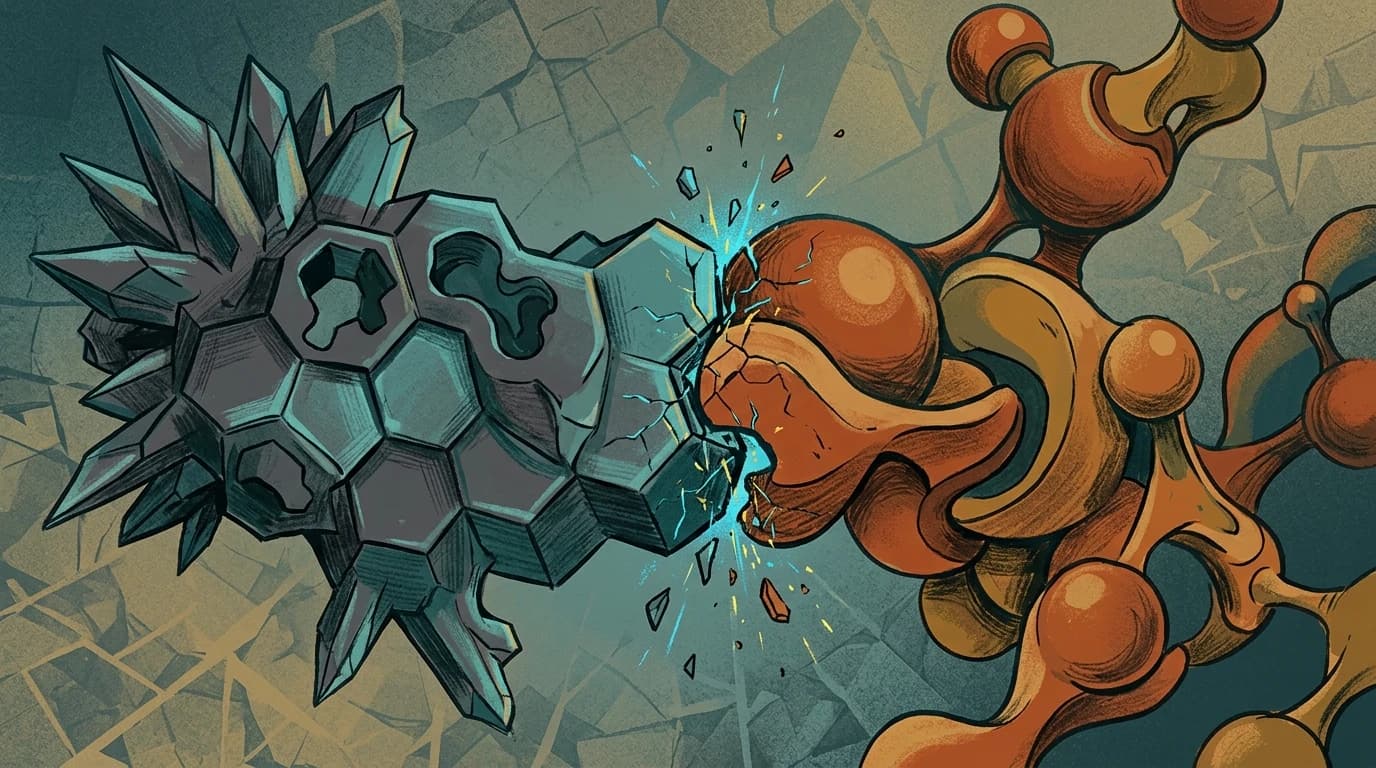
Did you know that bacteria can have lookalike cousins? Scientists hoped to exploit this biological family resemblance to find a gonorrhea vaccine by repurposing an existing meningitis shot. 🦠
Gonorrhea is a common sexually transmitted infection, and we currently have zero approved vaccines to prevent it. Because the bacteria causing meningitis and gonorrhea are genetically similar, earlier observational data suggested the meningitis B vaccine (4CMenB) might offer some cross-protection.
Testing the Meningitis Shot as a Gonorrhea Vaccine
To test this theory, researchers ran a rigorous, double-blind trial in Australia with 587 high-risk participants. Half received the 4CMenB vaccine, and half received a placebo. Over two years, the team tracked new infections.
The data showed the vaccine efficacy was -0.5%, meaning it did not reduce the infection rate at all. The study measured infections across urogenital, anorectal, and throat sites, but found no notable difference between the two groups.
This trial proves we cannot rely on quick fixes. While disappointing, this data helps scientists organise their efforts. Instead of searching for shortcuts, researchers must focus on building a bespoke vaccine designed specifically for this target.