Turning CO2 into Chemicals with Iron-Studded Nanocages
Source PublicationACS Applied Materials & Interfaces
Primary AuthorsWang, Shi, Su et al.
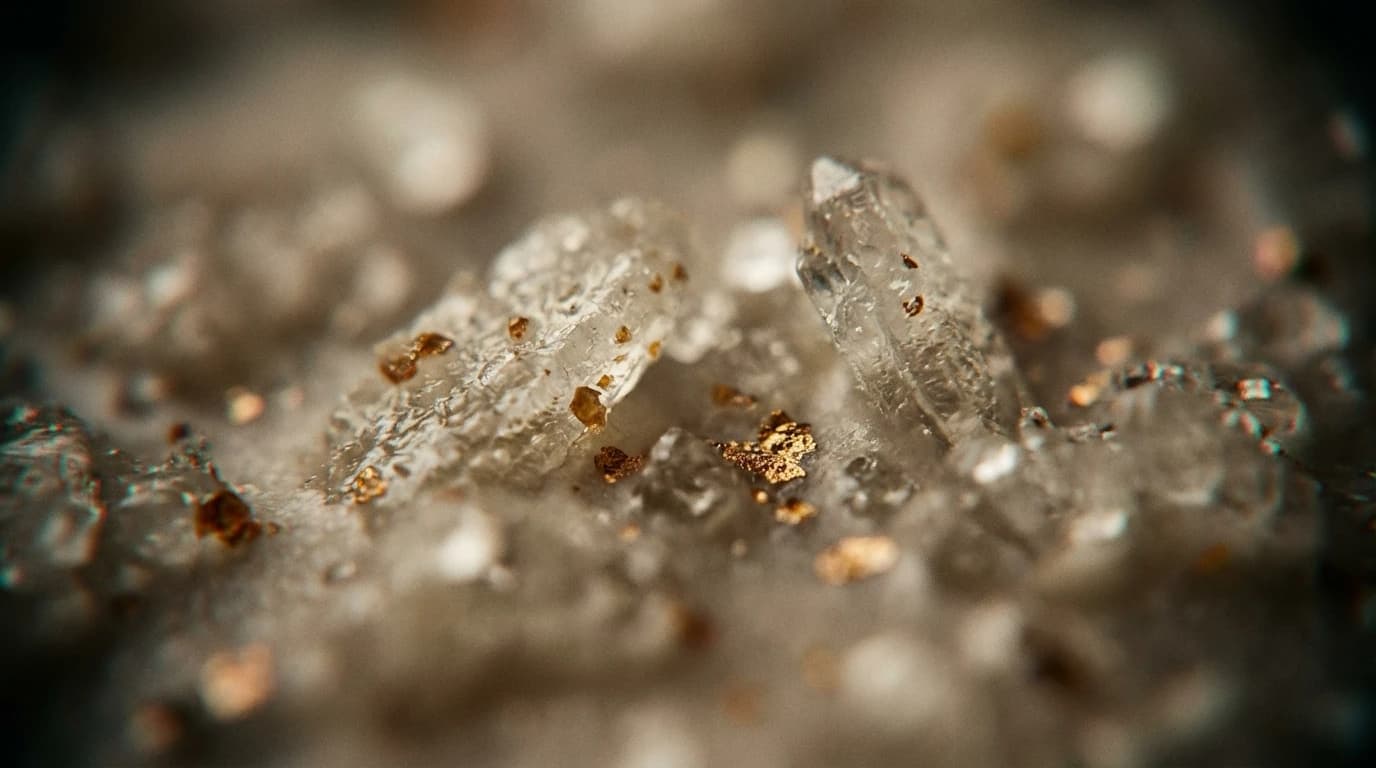
Transforming carbon dioxide (CO2) into valuable industrial chemicals is a central goal of green chemistry, but it requires highly efficient catalysts to drive the process. Researchers have now developed a sophisticated material comprising hollow carbon nanocages studded with iron, which significantly outperforms traditional solid catalysts.
The team utilised a polymer-assisted strategy to fabricate these structures. By coating a nitrogen-containing polymer onto a metal-organic framework (MOF) and subjecting it to pyrolysis—decomposition by high heat—and etching, they created hollow nanocage rods dubbed Fe/HNR. This process results in a high specific surface area and excellent thermal stability, providing an ideal scaffold for chemical activity.
Crucially, this hollow architecture supports a high loading of highly dispersed iron nanoparticles (NPs). Because the structure is open rather than solid, the iron active sites are more accessible for reactions. When tested on the cycloaddition of epoxide with CO2 to produce cyclocarbonic ester, the Fe/HNR catalyst demonstrated extreme performance with high yields and excellent reusability.
Beyond just this reaction, the study highlights the versatility of the method. The polymer-assisted coating strategy can be applied to other MOFs to form core-shell precursors, offering a universal blueprint for designing precise hollow carbon nanocages. This innovation paves the way for more effective heterogeneous catalysis in sustainable chemical manufacturing.