Tracking Pharmaceutical micropollutants in wastewater to Protect Future Medicine
Source PublicationACS Sensors
Primary AuthorsZambou Jiokeng, Adamou, Huber et al.
"Imagine a bouncer at a crowded club who ignores everyone except people wearing a specific red hat. The new sensor acts just like this bouncer, ignoring all the normal sewage waste and only grabbing onto the specific drug molecules it wants to count."
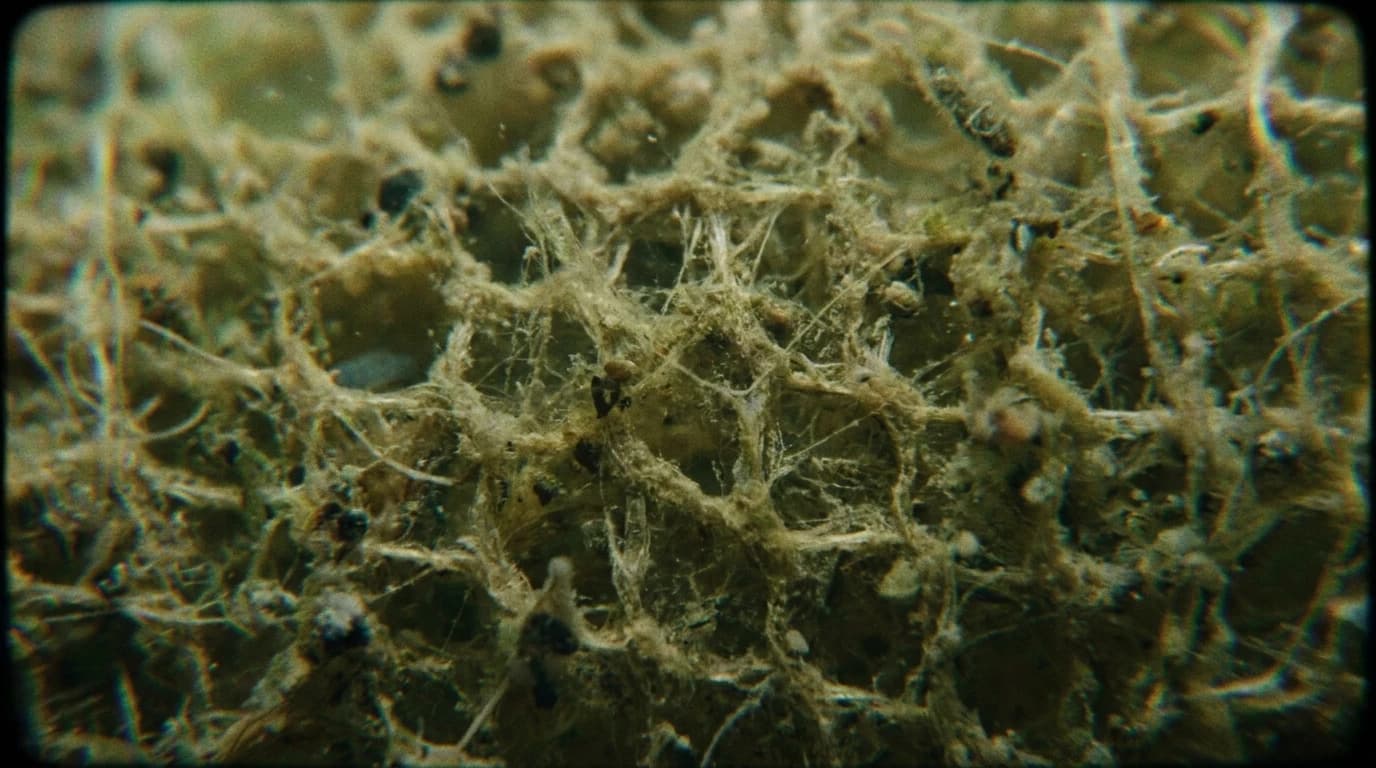
As we enter an era of highly advanced therapeutics, a hidden challenge is quietly building beneath our streets. Progress in modern healthcare is staggering, yet when human medicine washes down our drains and into the environment, potent chemicals are released into vulnerable ecosystems. This low-level exposure acts as an unintended experiment, affecting wildlife and the delicate balance of our waterways. To safeguard both our environment and our future, we urgently need to know what chemicals are lingering in our water systems.
The Threat of Pharmaceutical micropollutants in wastewater
This brings us to a massive environmental blind spot. Finding pharmaceutical micropollutants in wastewater is incredibly difficult. Sewage is a messy mixture of dirt, bacteria, and household waste. Locating tiny traces of medicine inside it is like finding a needle in a murky haystack. Historically, scientists have had to collect physical samples, transport them to a distant facility, and run them through slow, expensive machines. By the time the data comes back, the contaminated water has already reached rivers and oceans.
In their initial field deployment targeting a specific anti-inflammatory, researchers have now tested a field-ready device that skips the lab entirely. They developed an automated sensor that tracks these chemicals on the spot. The team focused on diclofenac, a widely used anti-inflammatory drug that the European Union monitors because of its harmful effects on wildlife.
The device operates in a clever, three-step sequence. It first filters out the large, solid waste. Then, it pushes the water through a specially designed polymer. This material is moulded to catch only diclofenac molecules, ignoring everything else. Once the drug is trapped and concentrated, the machine shines a mid-infrared laser through the sample. By measuring how the light is absorbed, it calculates the exact amount of the drug present. When deployed at a hospital and a municipal treatment plant, this automated system matched traditional lab accuracy by up to 92 per cent.
Shaping Future Healthcare Programmes
While this study measured diclofenac, the technology suggests a bright future for global health. If we can autonomously track one drug, we could adapt the sensor to monitor a vast array of complex pharmaceuticals.
This could completely alter environmental monitoring programmes. Imagine placing these automated sensors in waterways across regions where medical interventions are most heavily deployed. By mapping the exact concentration of medicines in the water, public health officials could see exactly what chemicals our ecosystems are exposed to every single day.
Such precise environmental data connects directly to the wider future of genomic medicine. As scientists increasingly tailor bespoke treatments to our unique DNA, they will also need to track how these highly specific, potent new drugs persist in the environment once they leave our bodies. Researchers can use this real-time foresight to monitor population-level drug metabolism and design greener, more biodegradable therapeutics from the ground up. Ultimately, tracking our waste could be the key to ensuring our future medical breakthroughs remain both effective and environmentally safe.