Neuroscience6 February 2026
The Underwater Night Shift: Decoding Circadian Rhythms in Fish
Source PublicationChronobiology International
Primary AuthorsTopal
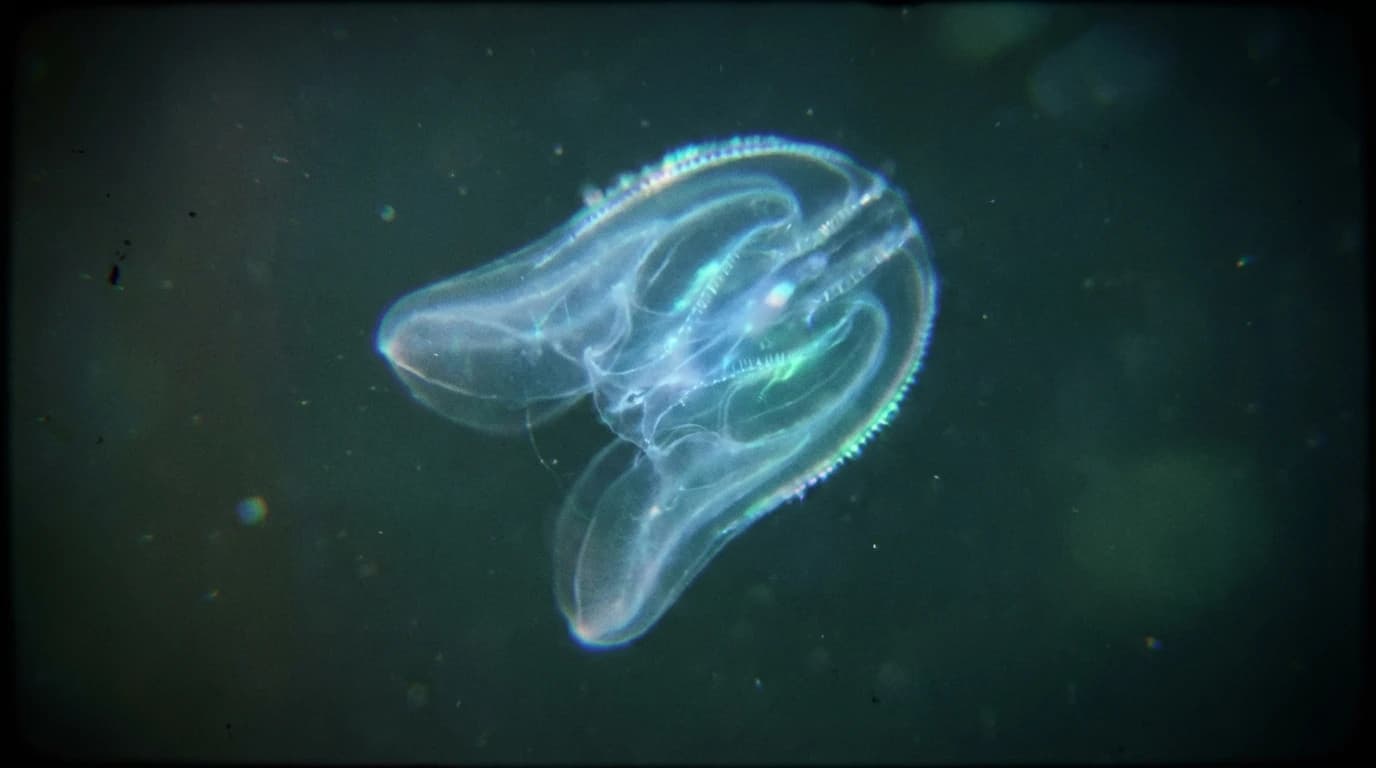
Imagine a high-security manufacturing facility powered entirely by solar panels. When the sun is high, the facility buzzes with noise. Conveyor belts run at maximum speed. Data processes rapidly. The security sensors are set to 'low' because the staff can see clearly.
But as dusk falls, the voltage drops. A master protocol initiates a lockdown. Non-essential systems cut power to save energy. The conveyor belts halt. However, the perimeter alarms dial up their sensitivity. In the dark, the system must work harder to detect threats. This isn't a malfunction; it is a hard-coded cycle designed to prevent the machinery from burning out.
This facility is a fish.
The master protocol represents the **circadian rhythms in fish**. Just like the solar facility relies on the sun to dictate its schedule, fish rely on the light-dark cycle to regulate their internal state. This review highlights that while fish may not close their eyes (most lack eyelids), they enter a distinct 'standby mode' that is vital for their survival.
The mechanism works through a strict input-output loop. If the fish's photoreceptors detect a specific drop in light intensity, then the brain signals a shift in neurochemistry. These chemicals act as the 'stop' button for motor activity.
Step-by-step, the behaviour changes:
1. **Motor shutdown:** The fish stops swimming actively.
2. **Threshold adjustment:** The fish becomes harder to startle. In our factory analogy, this is the security system ignoring the wind but reacting instantly to a sledgehammer. It takes a stronger stimulus to wake them up.
3. **Reversibility:** Unlike a coma or hibernation, if that strong stimulus occurs, the fish can snap back to full alertness instantly.
This process is not random. It is governed by homeostasis—the body's built-in demand for balance.
What happens if you hack the factory to run at 100% capacity for weeks without maintenance? The wiring melts. Data gets corrupted. The review indicates that fish suffer a similar fate.
Sleep is not just about resting muscles; it is about data filing. If a fish is deprived of this sleep-like state, then its cognitive performance crashes. The study notes that sleep deprivation impairs synaptic plasticity. This is the brain's physical method of rewiring itself to store new information.
If the circadian rhythm is broken, the fish cannot consolidate memories. It might forget where a predator hides or fail to learn a new route to food. The review suggests that these sleep patterns vary wildly between species, implying that evolution has tailored the 'software' of each fish to fit its specific ecological niche. It is a robust system, but it remains vulnerable to disruption.
But as dusk falls, the voltage drops. A master protocol initiates a lockdown. Non-essential systems cut power to save energy. The conveyor belts halt. However, the perimeter alarms dial up their sensitivity. In the dark, the system must work harder to detect threats. This isn't a malfunction; it is a hard-coded cycle designed to prevent the machinery from burning out.
This facility is a fish.
The master protocol represents the **circadian rhythms in fish**. Just like the solar facility relies on the sun to dictate its schedule, fish rely on the light-dark cycle to regulate their internal state. This review highlights that while fish may not close their eyes (most lack eyelids), they enter a distinct 'standby mode' that is vital for their survival.
How the biological clock sets the alarm
The mechanism works through a strict input-output loop. If the fish's photoreceptors detect a specific drop in light intensity, then the brain signals a shift in neurochemistry. These chemicals act as the 'stop' button for motor activity.
Step-by-step, the behaviour changes:
1. **Motor shutdown:** The fish stops swimming actively.
2. **Threshold adjustment:** The fish becomes harder to startle. In our factory analogy, this is the security system ignoring the wind but reacting instantly to a sledgehammer. It takes a stronger stimulus to wake them up.
3. **Reversibility:** Unlike a coma or hibernation, if that strong stimulus occurs, the fish can snap back to full alertness instantly.
This process is not random. It is governed by homeostasis—the body's built-in demand for balance.
The cost of missing the shutdown
What happens if you hack the factory to run at 100% capacity for weeks without maintenance? The wiring melts. Data gets corrupted. The review indicates that fish suffer a similar fate.
Sleep is not just about resting muscles; it is about data filing. If a fish is deprived of this sleep-like state, then its cognitive performance crashes. The study notes that sleep deprivation impairs synaptic plasticity. This is the brain's physical method of rewiring itself to store new information.
If the circadian rhythm is broken, the fish cannot consolidate memories. It might forget where a predator hides or fail to learn a new route to food. The review suggests that these sleep patterns vary wildly between species, implying that evolution has tailored the 'software' of each fish to fit its specific ecological niche. It is a robust system, but it remains vulnerable to disruption.
Cite this Article (Harvard Style)
Topal (2026). 'Sleep, circadian rhythms, and brain function in fish.'. Chronobiology International. Available at: https://doi.org/10.1080/07420528.2026.2624751