The silent parasite powering pea genome editing
Source PublicationPlant Cell Reports
Primary AuthorsSingh, Kumar, Sharma et al.
"Imagine a notorious burglar famous for breaking into high-security vaults. Instead of arresting him, a bank hires him to safely deliver gold directly into their own vault. Here, the 'burglar' is the Agrobacterium parasite, and the 'gold' is the CRISPR editing tool."
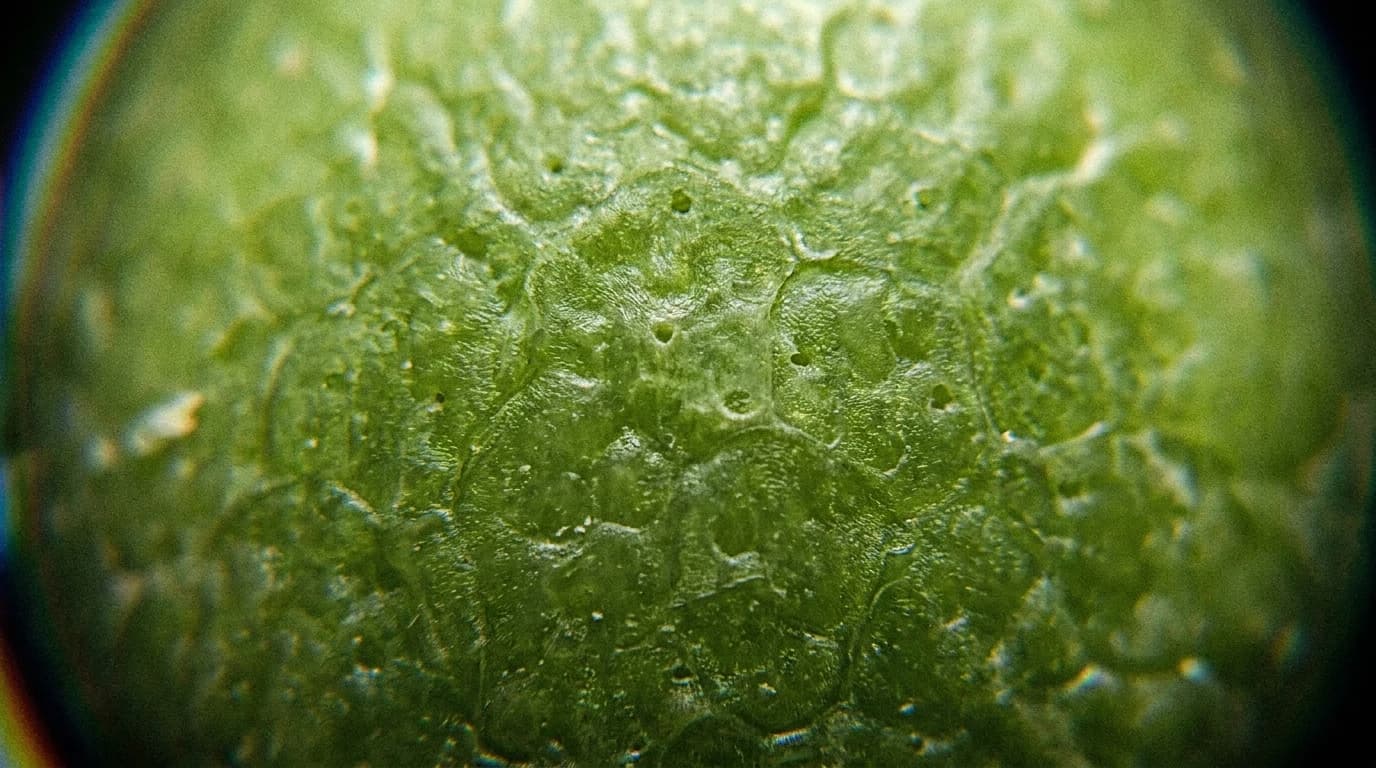
Deep in the soil, a microscopic invader waits. The bacterium Agrobacterium acts as a natural genetic parasite. It slips quietly into plant tissue, hiding from the host’s natural defences. Once inside, it performs a dark magic trick: it inserts a tiny piece of its own DNA directly into the plant’s cells.
These results were observed under controlled laboratory conditions, so real-world performance may differ.
The host plant does not know it has been compromised. It continues to grow, but its internal instructions have been hijacked. It is a perfect, stealthy crime. The plant is held hostage from the inside out, completely unaware of the rogue code running through its veins.
For decades, this parasite was a menace to farmers. But what if we could rewrite its malicious code? What if we could turn the villain into a hero?
The challenge of pea genome editing
Enter the hero: CRISPR/Cas9. Scientists realised they could empty the parasite’s genetic payload and replace it with a helpful tool. They could use the bacterium's natural infection skills to deliver precise genetic upgrades.
While this hijacked parasite works well in many plants, peas have always been stubborn. The common garden pea—a vital global source of food and plant-based protein—is notoriously difficult to grow from single cells in a laboratory. When scientists tried to edit pea DNA, the plants resisted. They simply refused to regenerate.
Recently, researchers found a way past these tough defences. The plot twist? The key wasn't brute force, but finding a hidden compartment of sorts within the sprouting seed itself—a tiny joint known as the dicotyledonary node. By treating this specific entry point with a precise mix of plant hormones, they encouraged the cells to grow into healthy shoots. They managed to produce nearly 40 new shoots from a single tiny explant.
Next, they deployed their tamed parasite. They adjusted the bacteria's concentration, used a vacuum to pull the microbes deeper into the plant tissue, and perfectly timed the infection.
A stealthy success
The results were remarkable. The tamed parasite successfully delivered the CRISPR tool into the pea cells. Under strict laboratory conditions, the researchers measured a mutation success rate of up to 97 per cent in specific lines of the cultivar Kashi Samridhi. They successfully altered a target gene called phytoene desaturase, proving the system works.
This study suggests that we can finally bypass the pea's stubborn nature. By mastering this stealthy delivery programme, scientists could soon develop hardier, more nutritious pea crops to feed a changing world.