The Silent Neighbours: Why Seagrass Conservation is a Human Story
Source PublicationCalifornia Digital Library (CDL)
Primary AuthorsJones
The Hidden Coastal Engine
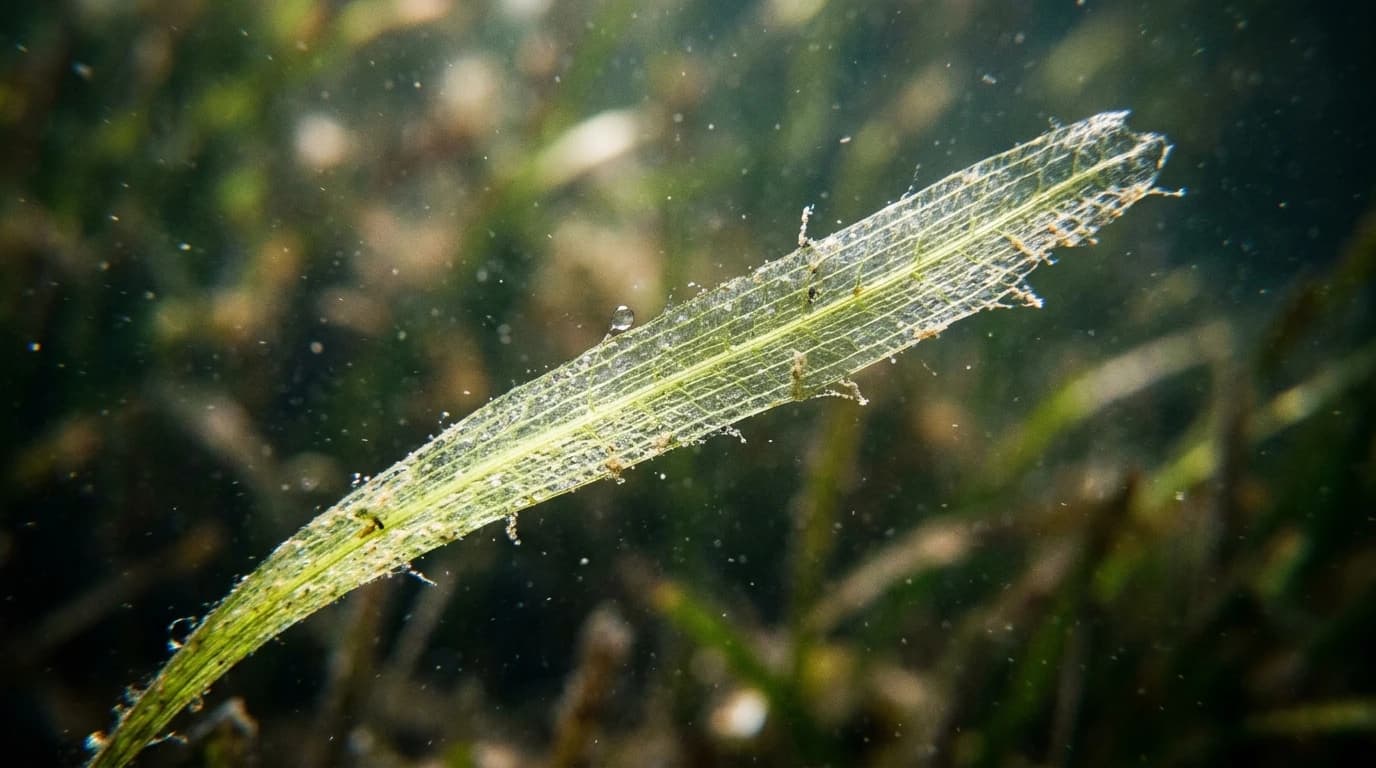
The tide retreats, exposing the slick, emerald ribbons of a hidden world. These meadows catch carbon and cradle life, yet they have long existed as ghosts on our maps of human progress. While we track every hectare of forest lost to the flame, we have largely ignored the green pastures swaying beneath the surf.
Researchers recently combined global population data with seagrass maps to find exactly how many lives brush against these underwater fields. In 2020, at least 53.4 million people lived within one kilometre of a known meadow. Within ten kilometres, that number swells to 352.9 million—nearly five per cent of the global population.
Mapping the Future of Seagrass Conservation
The study highlights a massive shift in how we occupy the coast. Since 1975, the number of people living within five kilometres of these habitats has nearly doubled. The data shows specific patterns of proximity across the globe:
- Over 62 per cent of these populations live in tropical bioregions.
- Large absolute populations live near seagrass in the United States, Italy, and the Philippines.
- Small Island Developing States show a nearly universal proximity to these habitats.
This proximity suggests that human wellbeing and environmental health are now inseparable. The findings indicate where coastal development and survival most frequently intersect. By identifying these zones, policymakers can organise efforts that protect both the carbon-storing plants and the people who rely on them for food and coastal defence.