The Seagrass Microbiome: How Marine Plants Pack a Microscopic Survival Kit for Their Seeds
Source PublicationMicrobiologyOpen
Primary AuthorsCrucitti, Sutera, Carimi et al.
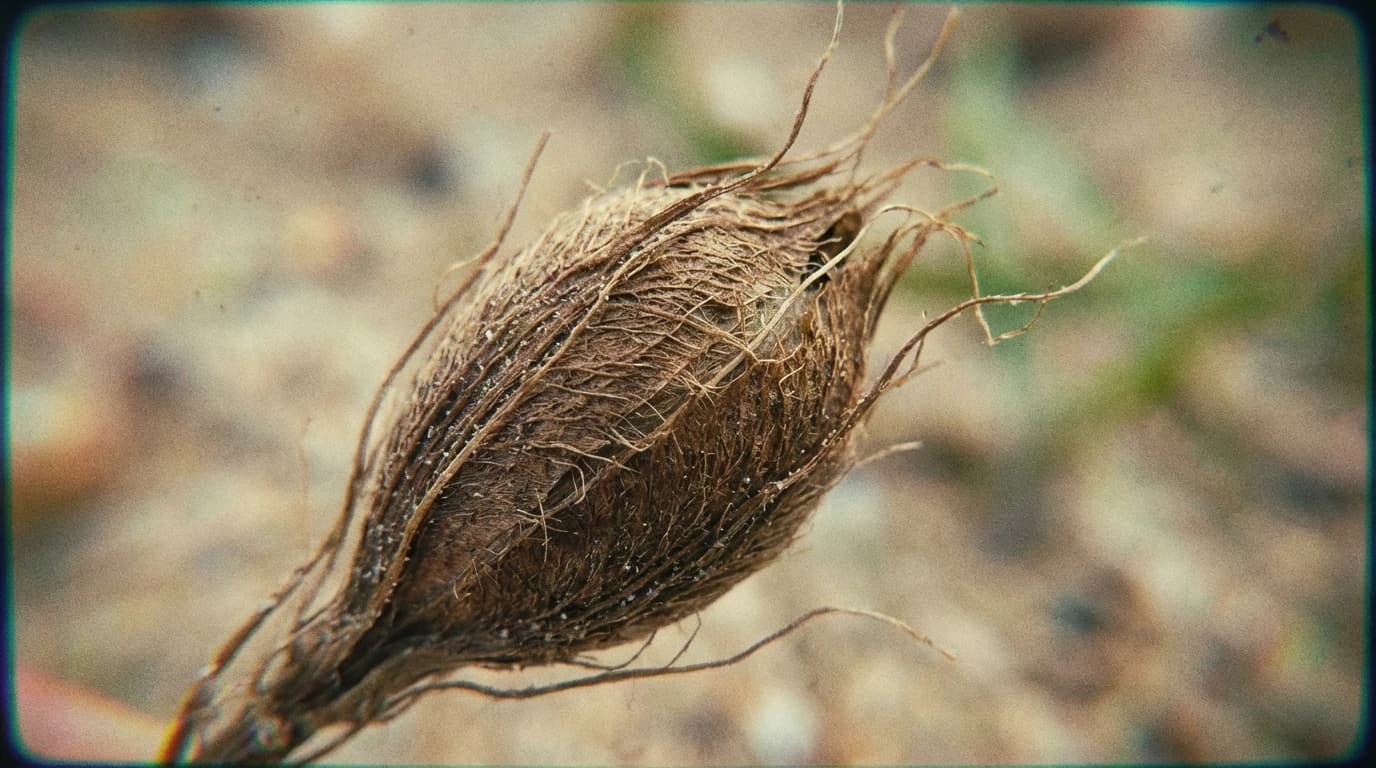
The Hook: Packing a Microscopic Rucksack
Imagine sending a child off on a wilderness survival course. You wouldn't just push them out the door empty-handed.
These results were observed under controlled laboratory conditions, so real-world performance may differ.
You would pack a rucksack with rations, a first aid kit, and a map. When a parent seagrass releases a seed into the harsh ocean, it does something remarkably similar.
Instead of rations, the plant packs a biological starter kit of friendly bacteria and fungi. This built-in community could potentially give the young seedling a vital leg-up when establishing itself in unpredictable ocean currents.
The Context: The Hidden Power of the Seagrass Microbiome
Posidonia oceanica is a vital plant species that forms dense underwater meadows in the Mediterranean Sea. These green pastures provide food, store carbon, and protect coastlines from erosion.
To survive in salty, nutrient-poor waters, these plants rely heavily on the seagrass microbiome. This invisible community of microbes helps the adult plants absorb nutrients and resist environmental stress.
In the ocean, nitrogen is often in short supply. Without it, plants simply cannot grow. Microbes act as a microscopic fertiliser factory, pulling nitrogen from the environment and feeding it directly to the plant.
However, scientists knew very little about how the youngest plants got their start. Did they have to find these helpful microbes floating randomly in the seawater, or did they come pre-packaged?
The Discovery: Inside the Seed's Survival Kit
To find out, researchers collected P. oceanica seeds from the central Mediterranean, a major centre of genetic diversity for the species. They carefully opened the seeds and cultured the microbes living inside.
The team successfully isolated a diverse group of bacteria and fungi living directly within the seed tissues. In these lab cultures, it became clear these microbes were not just random ocean hitchhikers.
When researchers measured the traits of these bacteria, they found they were highly specialised. Most of the bacteria actively produce growth hormones and fix nitrogen.
They even detected a specific nitrogen-fixing bacterium previously only seen in adult seagrass roots. This suggests a possible route of vertical transmission, hinting that the parent plant might pass its microbial survival kit down to its offspring.
The Impact: A New Approach to Ocean Conservation
This finding completely shifts how marine biologists view plant reproduction. The seeds act as tiny, floating life rafts that transport specific microbial communities across the ocean.
Understanding this biological delivery system could offer new ways to protect our oceans. Scientists suggest several future applications for these findings:
- Improving marine plant restoration and conservation programmes using seed-associated microbes.
- Supporting the persistence and dissemination of beneficial microbial communities in marine environments.
- Applying these hardy microbes to agricultural crops to explore improvements in their stress tolerance.
By studying the microscopic passengers inside a tiny seed, researchers may find better ways to keep our marine ecosystems healthy.