The Rising Tide of Harmful Algal Blooms: A Silent Crisis in Our Warming Seas
Source PublicationEnvironmental Monitoring and Assessment
Primary AuthorsFrancis, Ray, Mukherjee et al.
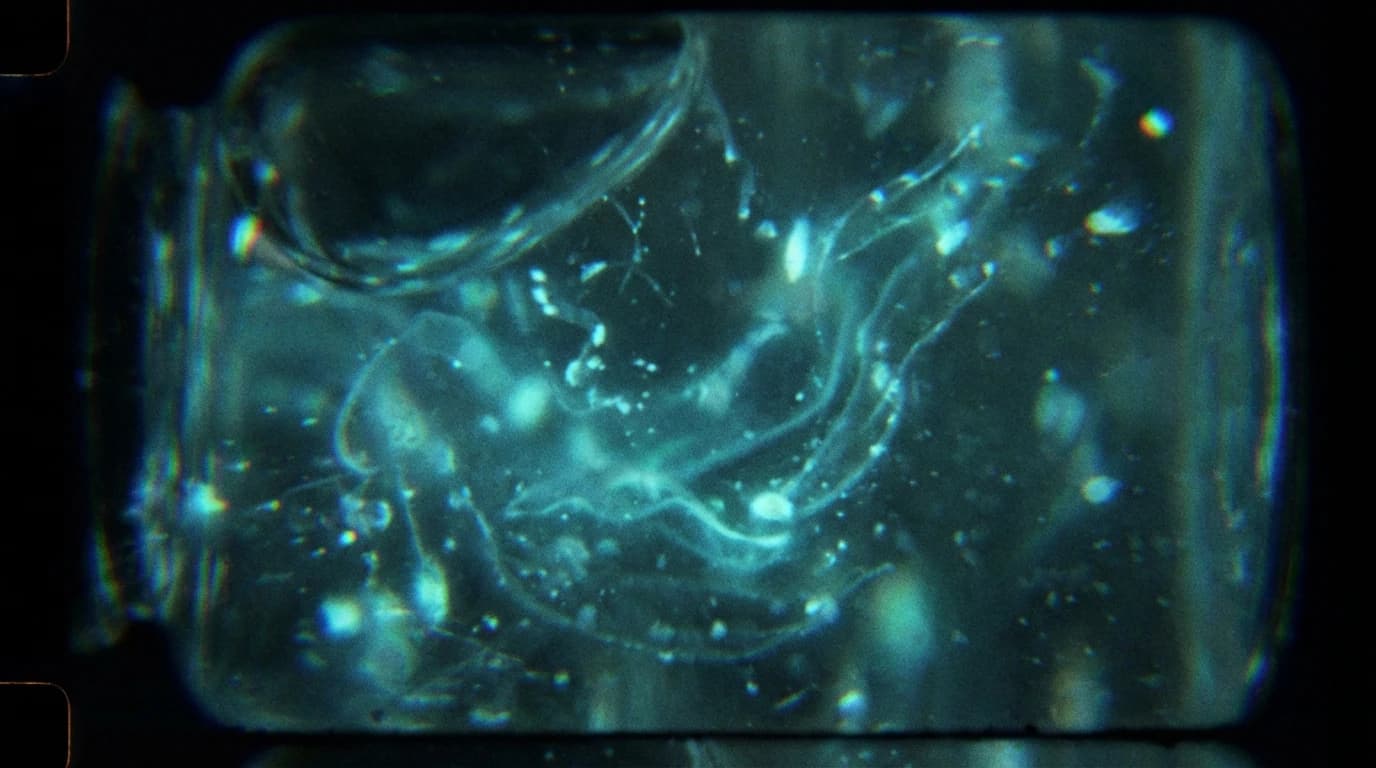
Imagine a stretch of coastline where the water turns the colour of rust, or perhaps a vivid, unnatural shade of split-pea soup. Beneath this vibrant surface, a microscopic threat is quietly suffocating fish, poisoning shellfish, and choking the life out of the local ecosystem.
These results were observed under controlled laboratory conditions, so real-world performance may differ.
Fishermen pull up empty nets, while beachgoers are greeted by the stench of decay washing ashore. The silence of the destruction makes it terrifying; whole populations of marine wildlife can perish before anyone notices the water has changed.
This is not a scene from a dystopian novel, but a reality playing out with increasing frequency along the world's shores. The water looks alive, yet it hides a devastating, invisible poison.
The Escalating Threat of Harmful Algal Blooms
For decades, human activity has been feeding the oceans a steady diet of agricultural runoff, industrial waste, and untreated sewage. Combined with the warming waters of a changing climate, these nutrient-rich environments create the perfect conditions for microscopic algae and cyanobacteria to multiply rapidly.
Eutrophication, as scientists call this nutrient overloading, fundamentally rewires coastal habitats. The delicate balance of the marine environment is easily tipped by these sudden influxes of artificial fertiliser.
When these microscopic organisms grow out of control, they form dense patches that block sunlight from reaching the seafloor. As the algae eventually die and decompose, the process strips oxygen from the water, creating massive dead zones.
Worse still, certain species produce highly potent biotoxins. These poisons seep deep into the marine food web, altering the behaviour of tiny zooplankton and causing extensive fish die-offs.
They also accumulate in the tissues of filter-feeding molluscs. For humans, the stakes are deeply personal, as eating contaminated seafood or drinking compromised water can lead to severe illness.
Tracking the Invisible Threat
To address this crisis, researchers recently conducted a comprehensive review of the scientific literature surrounding these toxic events. They examined the specific genetic and environmental triggers that cause ordinary, harmless algae to suddenly synthesise deadly compounds.
Understanding these triggers is essential for anticipating when a bloom might turn lethal. The review systematically evaluated how different classes of biotoxins operate at a cellular level and how those effects cascade through marine ecosystems.
Furthermore, the scientists analysed recent advances in detection technologies, looking closely at how we currently monitor the seas. Their synthesis evaluated three main monitoring approaches:
- Molecular tools that identify the specific DNA of toxic species in water samples.
- Biochemical sensors designed to detect the microscopic presence of specific poisons.
- Remote sensing satellites that track the geographic expansion of blooms from orbit.
By comparing these disparate methods, the researchers assessed how well current technologies measure the physical and chemical realities of the ocean. They mapped out the strengths and limitations of each tool.
Securing the Future of Our Coasts
The findings suggest that integrating these diverse monitoring tools could significantly improve our ability to predict toxic events. An isolated satellite image or a single water sample is rarely enough to grasp the full picture.
However, combining genetic data with orbital surveillance might allow scientists to build robust early-warning systems. These integrated networks could alert coastal communities days or even weeks before a bloom reaches dangerous levels.
Authorities would have the time they need to close fisheries, secure drinking water supplies, and warn the public. While no single technology can stop the algae from growing, better detection offers a vital chance to adapt.
By understanding exactly how and why these blooms form, policymakers may be able to design more effective strategies to protect vulnerable coastlines. The research provides a clear, actionable framework for managing an environmental crisis that shows no signs of slowing down.