The Resilience of Engineered Blood Clots in Modern Surgery
Source PublicationScientific Publication
Primary AuthorsJiang S, Bao G, Yang Z, Wu J, Yang X, Kim JEJ, Jiang R, Zhan Y, Nottegar A, Liu Y, Gao ZH, Beckett A, Nijnik A, Long R, Kastrup C, Li J.
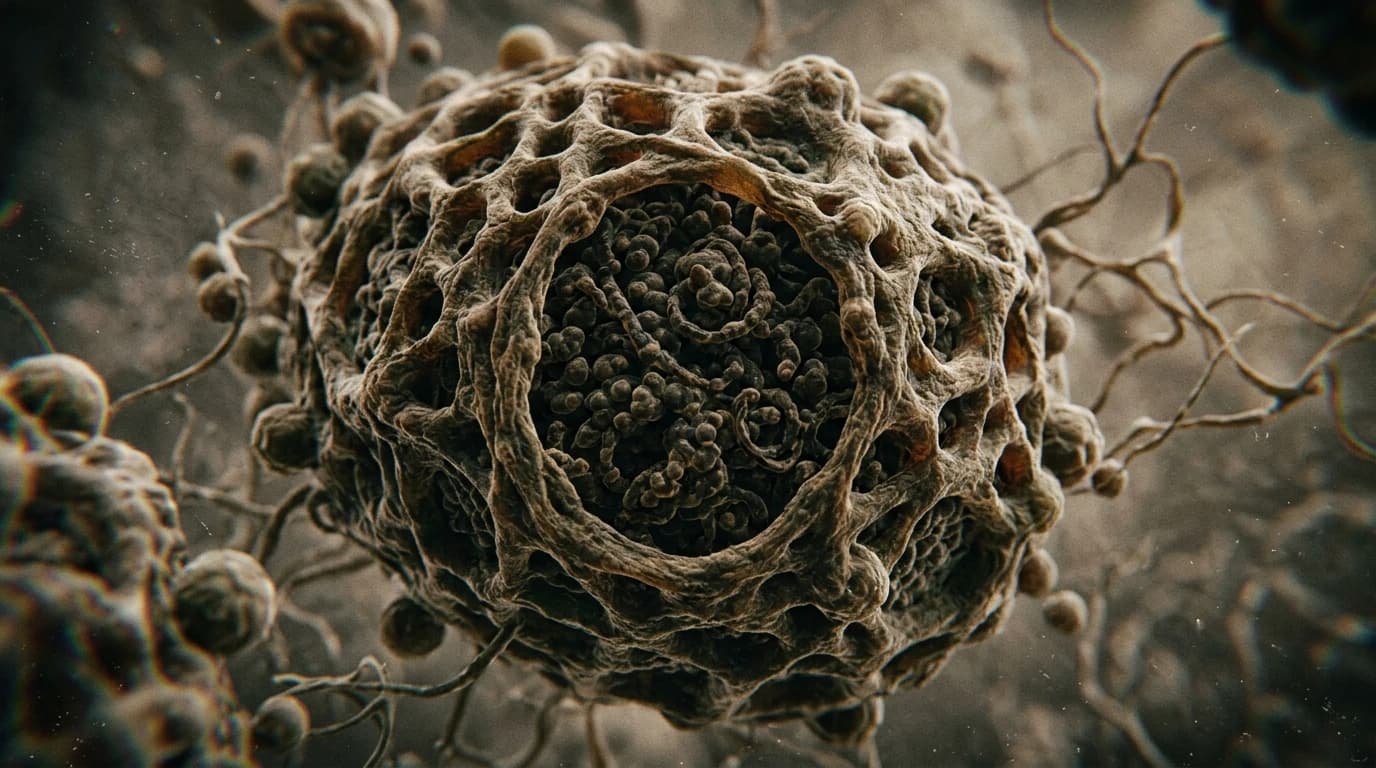
The Strength of Engineered Blood Clots
The human body is a vessel under constant pressure, and when that vessel breaks, we rely on a flimsy biological glue. Natural clots are often too slow and too weak to stop a catastrophic leak, largely because they are packed with red blood cells that offer no structural integrity. Scientists have now bypassed this biological bottleneck by crosslinking these cells into resilient cytogels.
By integrating red blood cells directly into a polymer network, the team created engineered blood clots that form in seconds rather than minutes. The study measured several physical improvements over natural formations:
- A 13-fold increase in fracture toughness.
- A 4-fold improvement in adhesion energy.
- Rapid cessation of bleeding in animal models.
The data suggest that the energy absorbed when these integrated cells rupture provides the material’s extraordinary resilience. This approach indicates a future where surgeons can deploy autologous or allogeneic materials to manage wounds and promote tissue repair without the risk of post-operative adhesions or chronic inflammation.