The Quiet Thief of Bone Health: How Deep Fat Rewires Vitamin D metabolism
Source PublicationJournal of Bone and Mineral Research
Primary AuthorsHolden, Norman, Turner et al.
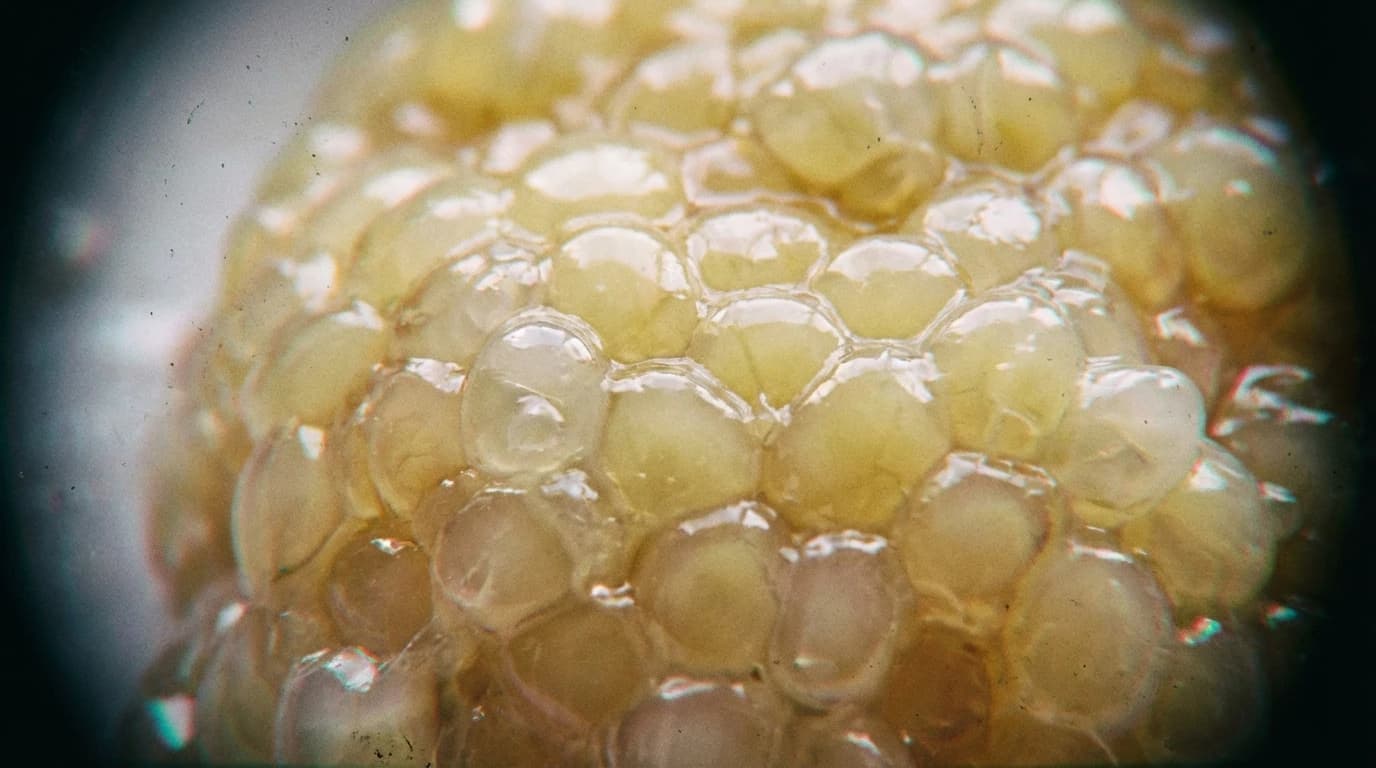
Deep inside the abdomen, wrapped tightly around the liver and intestines, lies a quiet, yellow organ that most people never see. Visceral fat is not just an inert storage depot; it acts as an aggressive, highly active endocrine gland. It pumps out hormones, inflammatory signals, and chemical messengers that dictate how the rest of the body functions. For patients enduring the gruelling, hours-long routine of haemodialysis, this hidden tissue poses a unique threat. It may be silently sabotaging their fragile bone health from the inside out. The danger operates entirely out of sight, masked by the broader exhaustion of chronic kidney failure.
The Mystery of Vitamin D Metabolism
The human body relies on a fragile hormonal balance to maintain strong bones and regulate calcium. When kidneys fail, this delicate equilibrium collapses almost immediately. Patients often suffer from severe mineral and bone disorders because their bodies lose the ability to process essential nutrients. Researchers have long suspected that fat plays a hidden role in this decay.
They knew that leptin, a hormone produced by fat cells, can force bones to produce a specific protein called FGF-23. In animal models, this protein actively disrupts normal chemical pathways. But scientists needed to see exactly how this dynamic played out in human patients whose lives are tethered to dialysis machines.
Tracking the Deep Fat
To understand the mechanics, researchers followed a small cohort of adults receiving haemodialysis over a full year. They used precise CT scans to measure the cross-sectional area of both subcutaneous fat—the soft, pinchable layer just under the skin—and the harder visceral fat buried deep within the belly. They also took regular blood samples to measure leptin, FGF-23, and specific vitamin D metabolites using mass spectrometry.
The data revealed a striking, undeniable pattern. As patients gained more visceral fat over the year, their leptin and FGF-23 levels steadily climbed. Simultaneously, the researchers measured a sharp decline in the ratio of active vitamin D to its inactive precursor. The findings suggest a clear, destructive chain of events:
- Visceral fat expands and releases excess leptin into the bloodstream.
- This leptin surge triggers an increase in the FGF-23 protein.
- The resulting hormonal cascade may suppress the conversion of vitamin D into its active, bone-protecting form.
Personalising Kidney Care
The implications of this study reach far beyond a single biochemical pathway. It suggests that adipose tissue acts as an active, hostile participant in bone decay for dialysis patients. Doctors currently treat bone and mineral disorders with a rather broad brush. They often prescribe active vitamin D supplements to everyone, rarely considering a patient's specific body composition.
If deep belly fat dictates how well a patient can process these hormones, treatment must become far more specific. Measuring body fat distribution could help clinicians anticipate exactly who will struggle with severe bone loss. While scientists still need to verify if these chemical changes happen locally within the fat cells themselves, the research offers a fresh lens on kidney disease. It suggests that saving a patient's bones might require us to look closely at the fat hidden deep within their abdomen.