The Quiet Rewiring: How Psilocybin Neuroplasticity Alters the Human Brain
Source PublicationeLife
Primary AuthorsSchmidt, Hoffrichter, Davoudi et al.
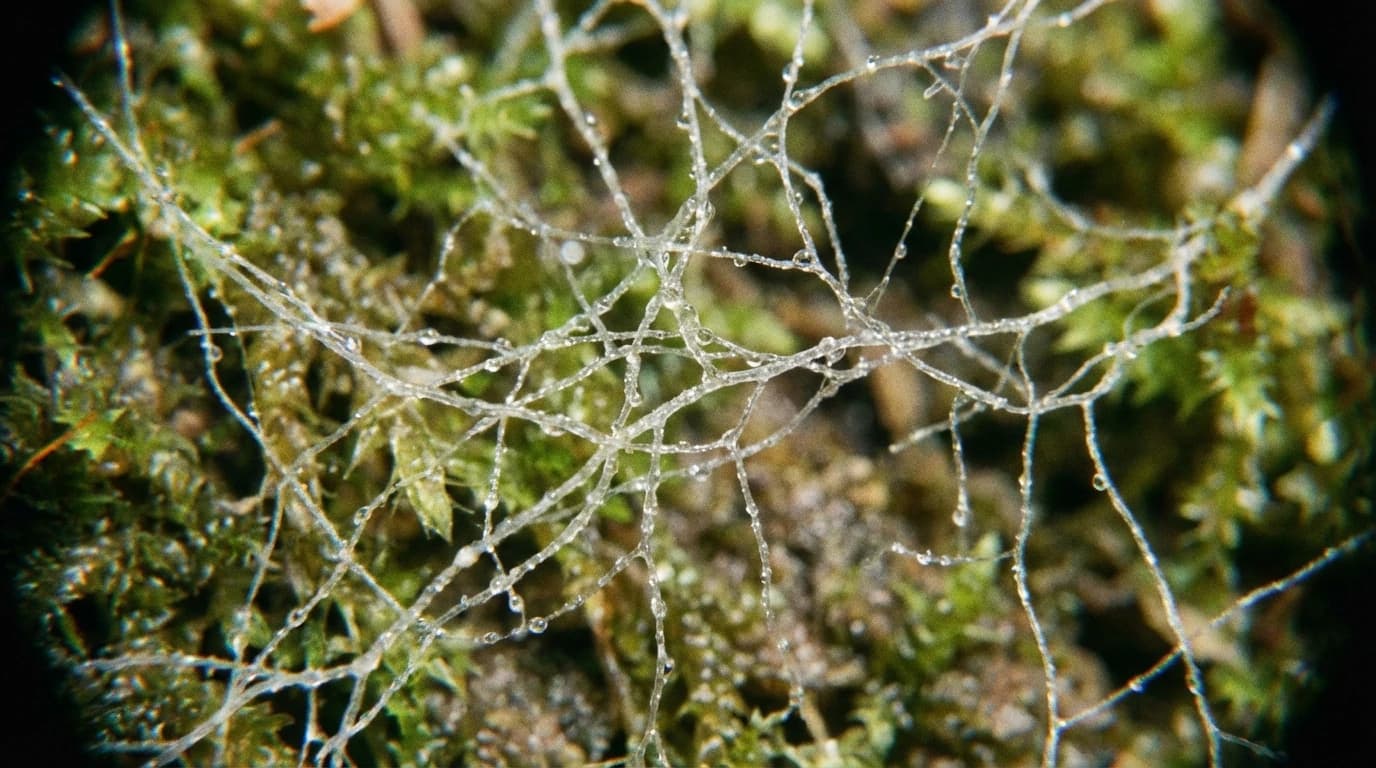
Depression is not merely a mood; it is a physical rut. Inside the brain, the delicate, branching arms of neurons wither, and the electrical chatter between cells slows to a crawl. The mind becomes trapped in rigid, repetitive loops of anxiety or despair.
These results were observed under controlled laboratory conditions, so real-world performance may differ.
For decades, modern psychiatry has thrown standard chemical compounds at these fading networks, hoping to jolt them back to life. The results are often maddeningly inconsistent, leaving millions of patients stranded. The depressed brain loses its flexibility, becoming physically unable to adapt to new thoughts or environments.
Recently, science has turned to ancient, organic compounds for an answer. Clinical trials repeatedly show that psychedelics can ease the grip of severe depression, trauma, and addiction. Yet, a persistent, silent mystery remains regarding how they actually work.
We know the patients feel better, but we cannot peer inside a living human skull to watch the microscopic repairs taking place. Researchers have relied heavily on animal models to guess at the cellular mechanics. They could see rodents building new neural pathways, but human brains are vastly more complex.
Observing Psilocybin Neuroplasticity in Human Cells
To solve this biological puzzle, researchers bypassed the living brain entirely. They grew human cortical neurons in a laboratory, deriving them from induced pluripotent stem cells. This allowed them to study human brain tissue in a highly controlled environment.
They exposed these delicate webs of tissue to psilocin. This is the active, psychoactive chemical that psilocybin breaks down into once it enters the human body.
The cells did not merely react to the chemical; they began to alter their physical structure. The researchers observed a significant surge in a protein called BDNF.
Think of BDNF as a potent, biological fertiliser for the brain. Under the microscope, the neurons grew more complex, extending new branches to connect with their neighbours.
The study measured a clear increase in synaptic proteins. This growth was particularly strong at the postsynaptic compartments, which act as the receiving ends of the neural connections.
When the scientists tested the electrical activity of the culture, the results aligned with the physical growth. They found the neural network was firing with increased excitability and enhanced coordination.
A Structural Fix for Rigid Minds
This research provides a rare, direct look at human cellular adaptation. While limited to cultured cells in a laboratory setting, it suggests that the profound clinical benefits reported by patients might not just be fleeting psychological events.
Instead, they could be the result of physical restructuring at the microscopic level. The chemical appears to prime the neurons to grow, adapt, and form new, healthy connections.
The implications for the future of psychiatry are substantial. Researchers can now see how these compounds might induce a state of enhanced plasticity in human tissue.
The evidence offers a compelling biological explanation for the shifting perspectives of patients. It suggests these ancient compounds might not just temporarily alter brain chemistry, but could create the very cellular conditions required for a rigid mind to heal.