The Pineal Gland's Stony Secret: Ageing vs. Alzheimer's
Source PublicationComputers in Biology and Medicine
Primary AuthorsBukreeva, Junemann, Palermo et al.
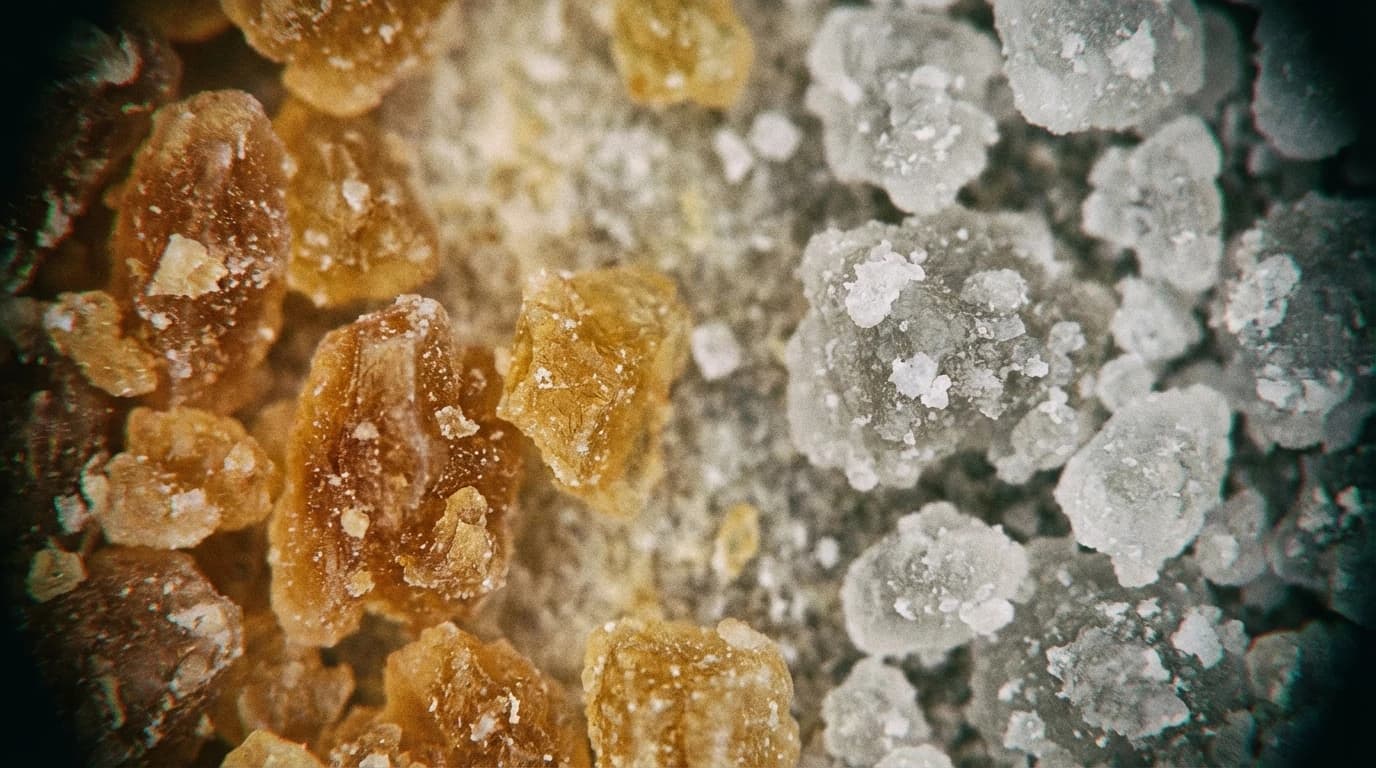
You might think of the pineal gland as a mystical 'third eye', but biologically, it is a tiny factory in your brain responsible for sleep hormones. Over time, this factory tends to accumulate calcium deposits, often called 'brain sand'. For years, scientists wondered if this hardening process was a red flag for neurodegenerative diseases like Alzheimer's. We finally have a clearer answer.
High-Tech Mapping
To solve this puzzle, researchers did not just squint at microscope slides. They employed X-ray nano-holotomography—essentially a high-resolution 3D scan—coupled with a convolutional neural network (a type of AI). This allowed them to spot micro-calcifications specifically inside the cytoplasm of pinealocytes, the gland's worker cells. It is the difference between seeing a forest and spotting the moss on individual trees.
The Activity Signal
Here is where it gets interesting. You might expect an old, failing gland to be full of stone. However, the data showed a weak negative trend. The ratio of deposits to cells actually dipped slightly with age. This suggests that calcification is not merely 'rust'; it is likely a byproduct of the gland doing its job. As the gland's synthetic activity slows down with age, it produces fewer of these deposits.
The Alzheimer's Verdict
Crucially, the study found no direct association between these specific cellular deposits and Alzheimer's disease. While the disease's pathology might tweak how calcification happens, the deposits themselves are not a smoking gun for dementia. This changes how we view 'brain sand': it is less a scar of disease and more a record of past productivity.