The Next Era of Precision Oncology: How New Prostate Cancer Biomarkers Could Redefine Treatment
Source PublicationSpringer Science and Business Media LLC
Primary AuthorsXie, Wang, Gao
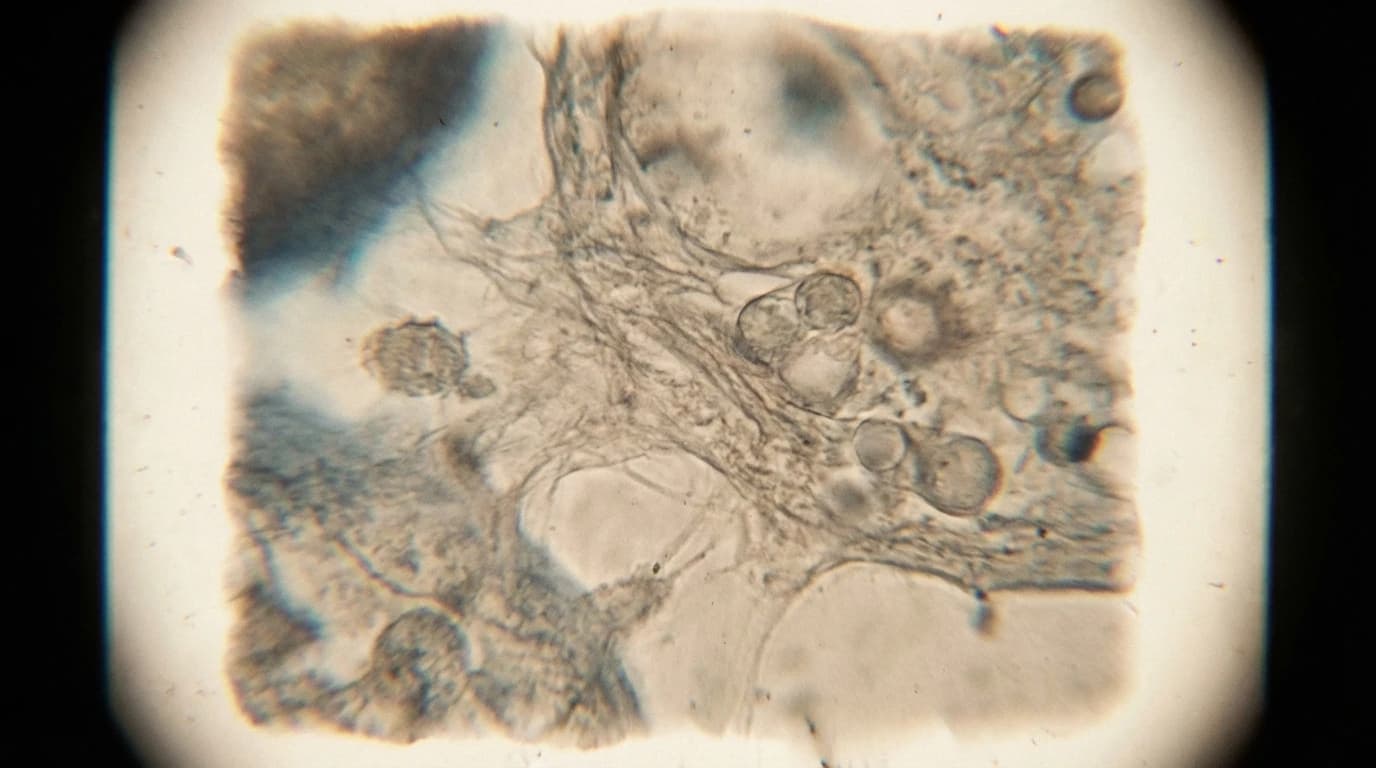
Predicting which prostate tumours will become aggressive remains a frustrating bottleneck for oncologists. Now, the discovery of early-stage prostate cancer biomarkers could finally break this barrier.
Prostate adenocarcinoma is one of the most common malignancies in men globally. While diagnostic tools have improved, a significant number of patients still face aggressive, metastatic disease.
Doctors currently lack highly precise methods to separate slow-growing tumours from fast-moving threats at the point of diagnosis. This uncertainty often leads to either overtreatment or missed opportunities for early intervention.
Hunting for Better Prostate Cancer Biomarkers
A recent early-stage preprint, which is currently awaiting peer review, details a fresh approach to this problem. Researchers combined CRISPR-Cas9 screening with bulk RNA sequencing data to see which genes are strictly required for tumour cell survival.
Through this analysis, the team identified an 11-gene signature. This genetic profile effectively separated patients into low-risk and high-risk groups based on their molecular data.
The study measured clinical outcomes and found that patients in the high-risk category experienced significantly lower progression-free survival rates. Among these identified genes, one specific target named CDC45 stood out.
The researchers measured high levels of CDC45 in tumour tissues using laboratory techniques like Western blotting. Their preliminary functional tests—currently limited to in vitro laboratory models—suggest that CDC45 actively drives tumour proliferation.
The Next Decade of Precision Oncology
If validated by further clinical studies, this 11-gene signature could alter how we manage prostate care over the next five to ten years. Instead of taking a wait-and-see approach, clinicians might use these genetic signals to act decisively.
The downstream applications are highly promising for personalised medicine. Once verified beyond early-stage multi-omics and lab data, this method could refine how clinicians map out initial treatment plans. We could see a future where:
- High-risk patients receive aggressive, targeted therapies immediately upon diagnosis.
- Low-risk patients avoid the severe side effects of unnecessary, harsh treatments.
- Pharmaceutical companies develop novel drugs specifically designed to inhibit the CDC45 protein.
By treating CDC45 as a therapeutic target, researchers have a clear path for drug development. Future pharmacological trials may focus entirely on neutralising this specific gene's output.
While these early findings require rigorous peer review, they map out an optimistic trajectory for the field. We are moving steadily toward an era where genetic profiling dictates exact, tailored interventions.