The New Science of ABS Recycling: How to Unbake a Plastic Cake
Source PublicationMDPI AG
Primary Authorsde Lima, Cuypers, Höije et al.
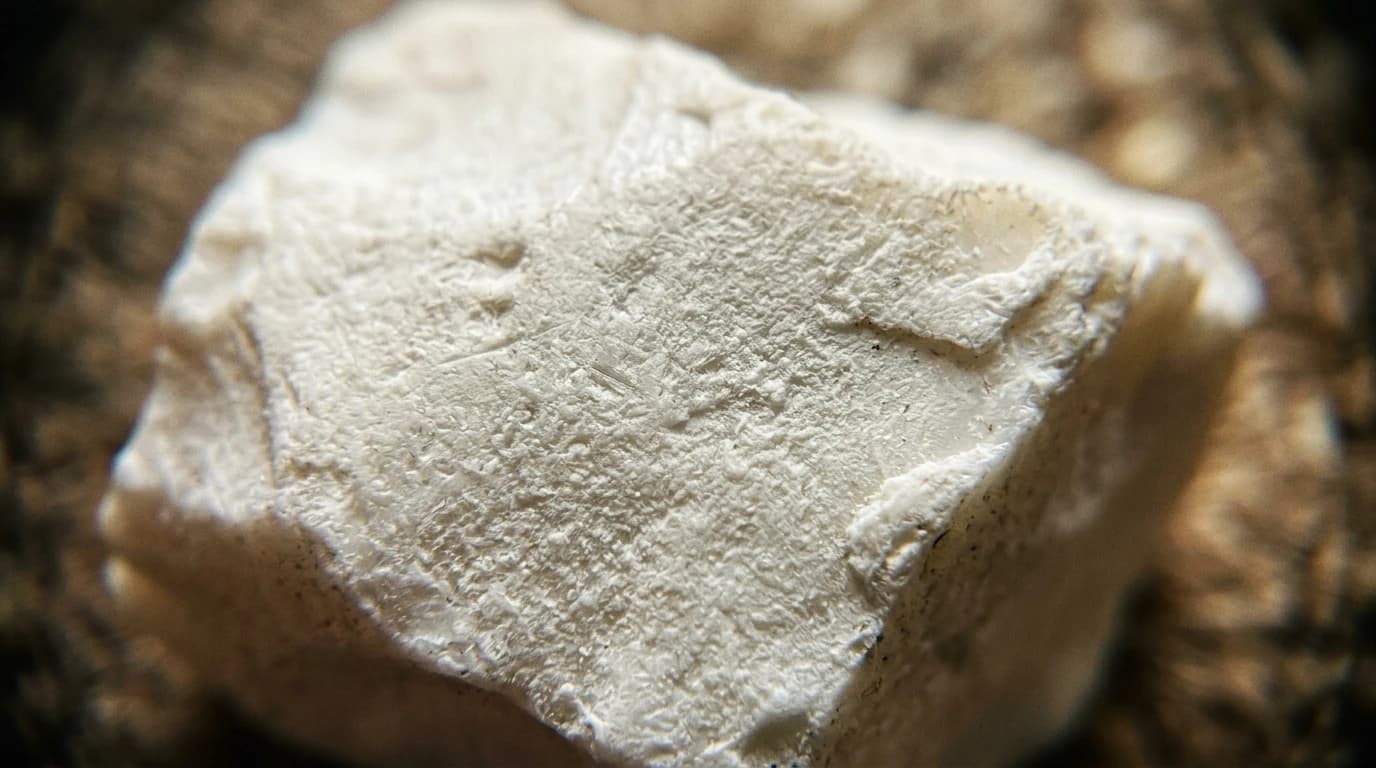
The Plastic Puzzle
Imagine trying to unbake a cake to get the flour back. ABS is that cake. It is a tough, versatile plastic found in everything from car dashboards to computer housings. Its strength comes from a complex blend of polymers, but this mix makes ABS recycling a nightmare. Most waste ends up incinerated or in a landfill because the components are too tangled to separate.
Mastering ABS Recycling
Researchers recently tested the TNO Möbius dissolution technique to solve this. This method acts like a precision filter at the molecular level. It dissolves the material to isolate pure Styrene Acrylonitrile (SAN) polymer, stripping away the rubber and chemical additives that usually ruin recycled batches.
The study measured the chemical composition and physical properties of SAN extracted from three distinct waste sources. The team then blended this recycled SAN with fresh masterbatch to create a standardised ABS product. They wanted to see if the history of the plastic affected its future performance.
Reliable Results
The results show that the source of the waste does not dictate the quality of the output. The study measured nearly identical mechanical properties across all test groups, regardless of where the SAN originated. This indicates the process is highly effective at isolating the core building blocks of the plastic.
The data suggests that the dissolution process effectively removes impurities that typically degrade recycled plastic. This could allow manufacturers to organise large-scale recovery programmes without worrying about the varying quality of different waste streams. We are moving toward a world where recycled no longer means lower quality.