The Invisible Engine: How Subterranean Ecosystems Keep the Surface Alive
Source PublicationBiological Reviews
Primary AuthorsMammola, Brankovits, Lorenzo et al.
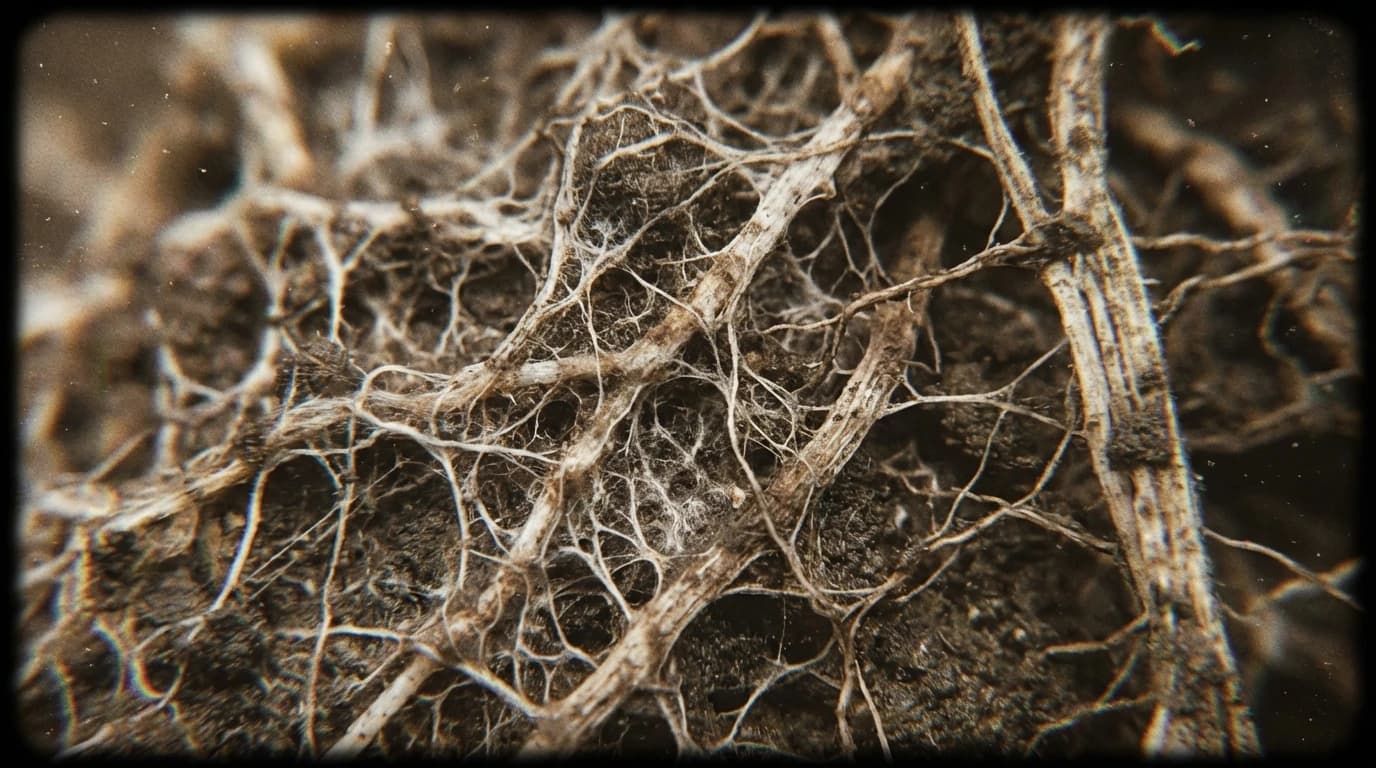
Imagine a cathedral of absolute silence. Pitch black. Cold. Here, encased in granite, limestone, or volcanic rock, water moves through fissures narrower than a human hair. This is the world below. It is not merely a basement; it is a digestive system for the planet. For centuries, humanity has treated this depth with indifference. We extract its water; we ignore its fragility. We assume the ground beneath us is solid and inert, a mere stage for the drama of human history. This blindness is our antagonist. By failing to see the complex machinery grinding away in the dark, we risk breaking it. We drink from these wells while knowing almost nothing of the filters that purify them. The silence of these deep places has allowed us to overlook them, creating a dangerous gap in our understanding of planetary health.
But the silence is deceptive. A recent synthesis challenges this surface-centric view, framing the underground not as empty space, but as an active participant in life support. Researchers conducted a systematic review to map exactly what we are missing.
The hidden value of subterranean ecosystems
The findings are stark. The review indicates that these hidden compartments contribute to up to 75 per cent of classified ecosystem service categories. This figure represents a staggering breadth of function rather than total output volume. It implies that three-quarters of the distinct mechanisms nature uses to sustain life—from the provision of drinking water to the regulation of floods and the cycling of carbon—have roots in the dark.
However, the authors identify a critical flaw in current science. While we know these benefits exist, the evidence remains largely qualitative rather than numerical. We lack the hard economic data. Without these numbers, it is difficult to convince policymakers to protect a fissure in a rock they cannot see. The study argues that this data gap limits effective communication, leaving these environments vulnerable to pollution and land-use changes. By synthesising available knowledge, the researchers aim to provide concrete examples that connect the health of the deep earth directly to human well-being.