Genetics & Molecular Biology1 May 2026
The Intertidal Spider Genome: How Land-Dwellers Master the Surf
Source PublicationMolecular Ecology Resources
Primary AuthorsLi, Lv, Bian et al.
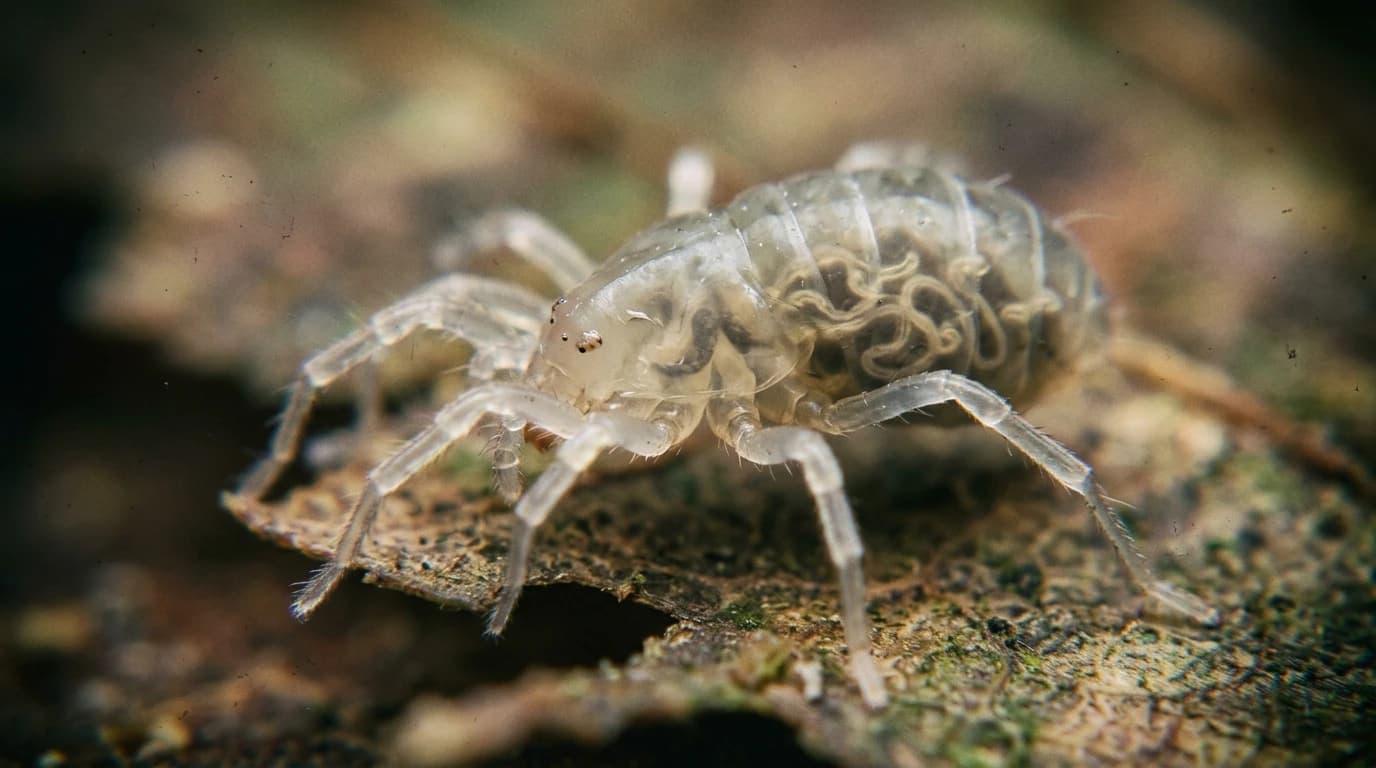
Imagine trying to keep a high-tech smartphone working while it is constantly dunked in a bucket of salt water. For most spiders, the ocean is a death trap, but the genus Desis has turned the shoreline into its home. By mapping the intertidal spider genome, researchers have identified the hardware upgrades that make this possible.
Most spiders are strictly land-based, but Desis jiaxiangi lives in the intertidal zone—the chaotic space between high and low tide. This environment is a nightmare of shifting salt levels and crushing waves. To survive, these spiders had to rewrite their internal operating systems.
Scientists compared the DNA of these salt-tolerant spiders with freshwater species. They found a suite of specialised adaptations:
Most spiders are strictly land-based, but Desis jiaxiangi lives in the intertidal zone—the chaotic space between high and low tide. This environment is a nightmare of shifting salt levels and crushing waves. To survive, these spiders had to rewrite their internal operating systems.
The Secrets of the Intertidal Spider Genome
Scientists compared the DNA of these salt-tolerant spiders with freshwater species. They found a suite of specialised adaptations:
- Waterproof Silk: A unique protein motif called GVGAKV acts like a chemical raincoat, keeping their webs functional underwater.
- Internal Oxygen Tanks: A surge in hemocyanin genes suggests they can store and transport oxygen more efficiently during submersion.
- Stress Repair: Expanded gene families for DNA repair and hormone production help them survive the constant physical battering of the surf.
Cite this Article (Harvard Style)
Li et al. (2026). 'Transition From Land to Sea: Comparative Genomics Illuminates the Adaptive Evolution of the Intertidal Spider.'. Molecular Ecology Resources. Available at: https://doi.org/10.1111/1755-0998.70147