The Hot Shadow: How China Carbon Neutrality Could Temporarily Spike Temperatures
Source PublicationScientific Publication
Primary AuthorsZhao B, Wang X, Wang Y, Sun Y, Gao D, Ge Q, Gao Y, Zhang J, Zhang Y, Shindell D, Davis SJ, Lin G, Wang Y, Chu B, Jiang Z, He H, He K, Hao J, Wang S.
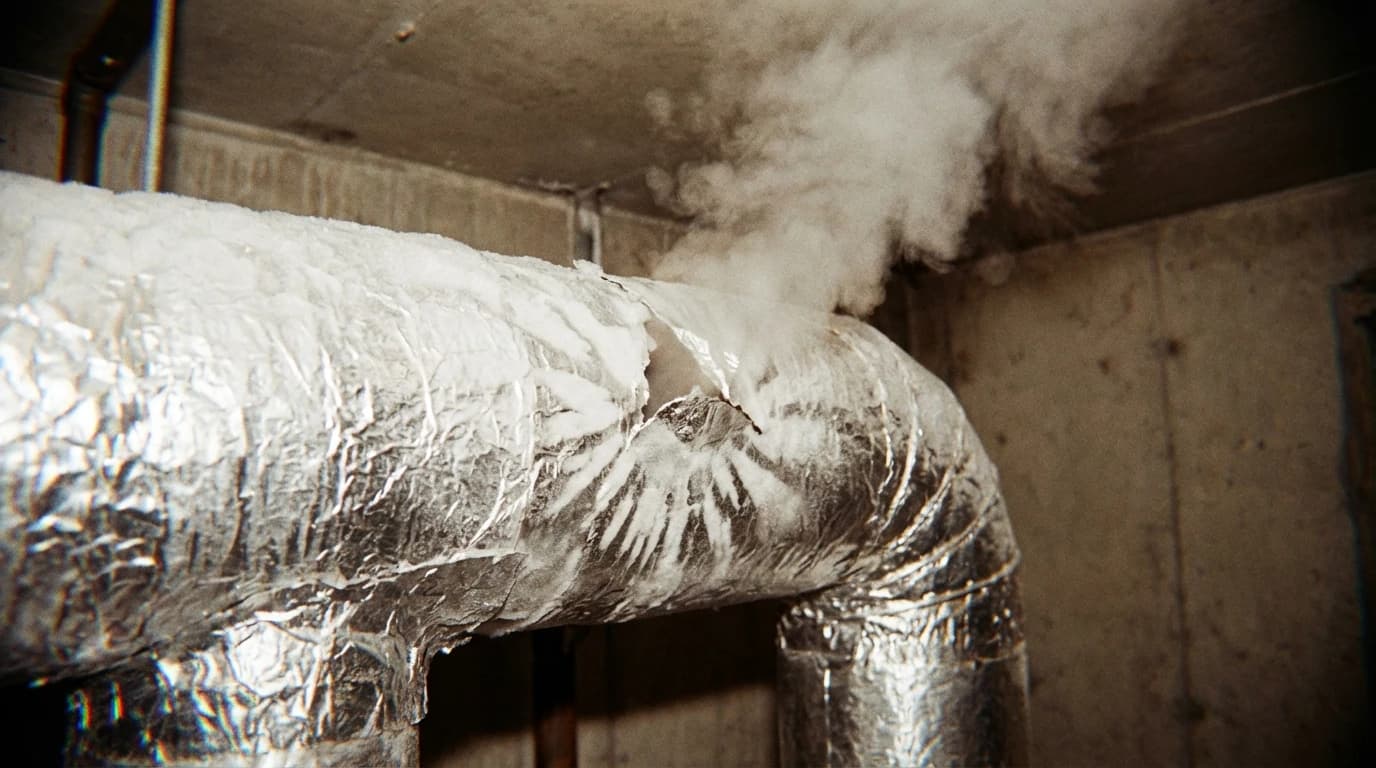
The Down Jacket and the Grimy Parasol
Imagine you are standing in a scorching desert at high noon. You are wearing a thick, heavy down jacket. This jacket represents carbon dioxide (CO2); it traps your body heat against your skin, refusing to let it escape. Naturally, you are overheating.
But there is a complication. You are also holding a massive, filthy parasol over your head. This parasol represents aerosols—particulate air pollution like sulphur dioxide and organic matter. It is ugly. It makes the air hard to breathe. However, it casts a shadow. It reflects the sun's stinging rays back into space before they can hit you.
So, you are in a strange equilibrium. The jacket (CO2) is cooking you, but the parasol (pollution) is shading you.
Now, you decide to get healthy. You want to fix the climate and your lungs. You decide to remove the jacket and close the parasol. This is the essence of the push for China carbon neutrality.
The problem arises in the timing. It takes a long time to unzip that heavy jacket. CO2 stays in the atmosphere for centuries. But you can snap the parasol shut in a second. Air pollution falls out of the sky very quickly once you stop emitting it. If you close the parasol before you get the jacket off, what happens? The shadow vanishes. The full force of the sun hits you immediately, while you are still wearing the coat. You get hotter.
The Mechanics of China Carbon Neutrality
This is not just a story. It is the physical mechanism described in a recent study using a fully coupled Earth system model. Researchers simulated what happens as China implements its "Beautiful China" policies to clean up the air while simultaneously cutting carbon.
They found a stark trade-off. If China slashes air pollutants, the skies clear up. This is excellent for human health. However, the study suggests that the reduction in aerosols—specifically sulphates and organic matter—removes that protective, reflective shield.
Step-by-step, the mechanism works like this:
- Reduction: Factories and power plants install scrubbers, drastically lowering sulphur dioxide emissions.
- Clarity: The atmosphere becomes more transparent to incoming solar radiation.
- Heating: More sunlight reaches the surface, causing immediate warming (estimated at 0.12 K).
- Offset: This aerosol-induced warming almost exactly cancels out the cooling effect (0.16 K) gained from reducing CO2.
The model indicates this tug-of-war could last a surprisingly long time. The cooling benefits of China carbon neutrality might not overtake the warming side-effects until around 2070. It creates a temporary stalemate.
This does not mean we should keep polluting. It means the jacket needs to come off faster. The authors suggest that to counter this "inevitable warming," strategies must be more aggressive. We cannot just rely on CO2 cuts. If the parasol closes, we need to slash methane and perhaps use technology to suck carbon directly out of the air, unzipping the coat at double speed.