The Hidden Turf War: Making Sense of Microbiome Parasite Interactions
Source PublicationScientific Publication
Primary AuthorsLi J, Will I, Silva LM, Travers-Cook TJ, Blackwood PE, King KC.
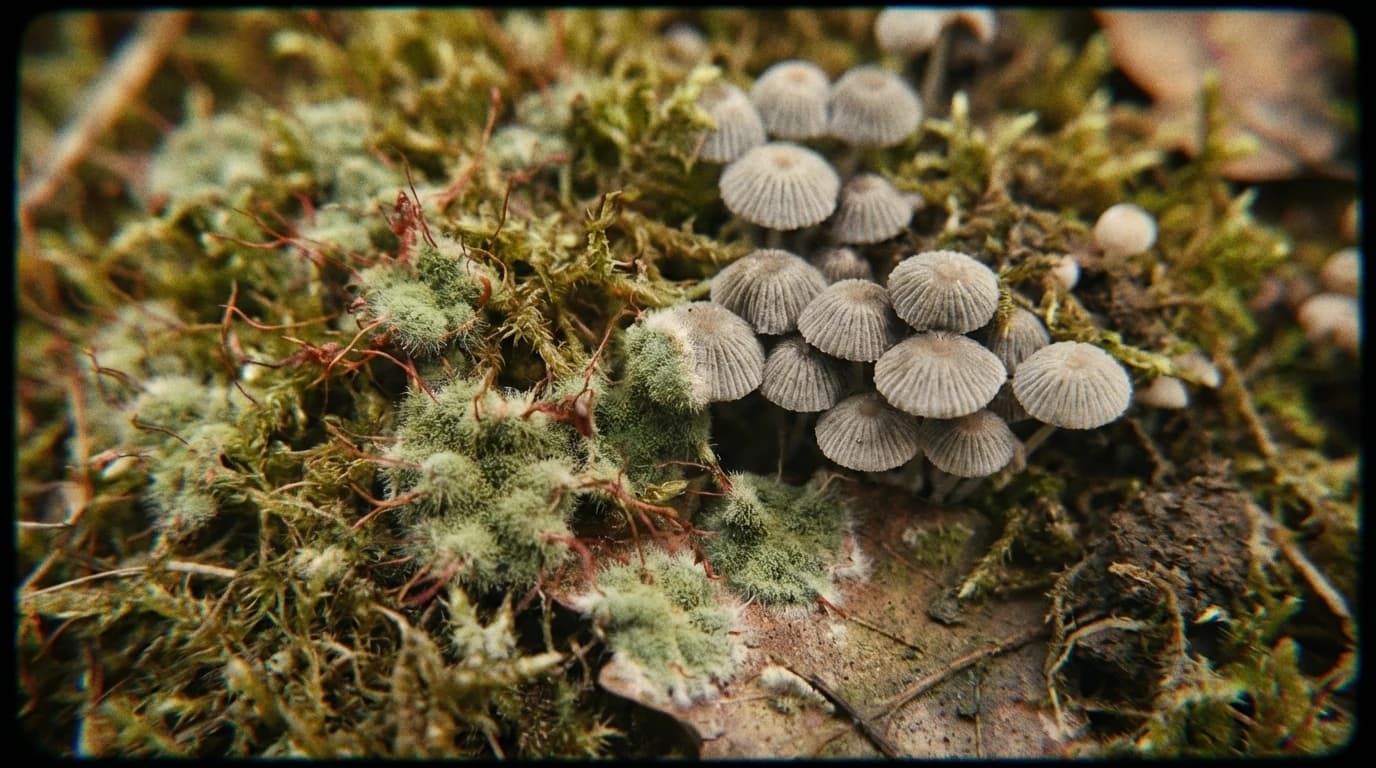
Imagine a wild animal's body is a bustling walled city. A parasite is a hostile invading army trying to breach the gates. The host's microbiome—the trillions of bacteria living inside—is not just a passive group of civilians.
These results were observed under controlled laboratory conditions, so real-world performance may differ.
They are the neighbourhood watch, the local street gangs, and the food supply chain all rolled into one. Sometimes they fight the invaders tooth and nail. Other times, they accidentally hold the door open.
The Ecology of Microbiome Parasite Interactions
Wildlife populations are under constant threat from infectious diseases. For decades, ecologists viewed infections as a simple two-player game featuring just the host and the invader.
However, recent ecological synthesis shows we have been ignoring a massive third player. The bacteria living inside frogs, bats, and corals actively dictate who wins the fight. Understanding these microbiome parasite interactions is now vital, especially as climate change stresses wild animals and weakens their natural defences.
How the Neighbourhood Watch Responds
Researchers synthesised current data to map exactly how these microscopic ecosystems react to external threats. While the exact biological tactics are often specific to certain host-strain pairings observed in the lab, the broad ecological relationships range from highly competitive to surprisingly facilitative. The microbial locals respond to an invasion in several distinct ways:
- Fierce competition: Native microbes can actively rival the invaders, directly competing with them for survival within the host.
- Bolstering the defences: The local microbiome naturally supports the host's immune system and physiology, indirectly making the 'city' much less hospitable to outsiders.
- Accidental treason: Rather than fighting, some microbial locals end up in facilitative relationships, inadvertently creating an environment that benefits the parasite.
The review suggests these daily microscopic turf wars could even drive how deadly a parasite becomes over evolutionary time.
Predicting the Next Outbreak
To organise future research, the scientists proposed a new conceptual framework for wildlife parasitology. They evaluated how microbial shifts correlate with disease outcomes across diverse species, from amphibians to insects.
This suggests conservationists could use a host's bacterial profile as an early warning system. If wildlife managers can track changes in the local microbial city, they might predict and mitigate severe outbreaks before they decimate vulnerable populations.