The Hidden History Inside the Tussilago farfara mitochondrial genome
Source PublicationBiochemical Genetics
Primary AuthorsZhang, Yan, Zhang et al.
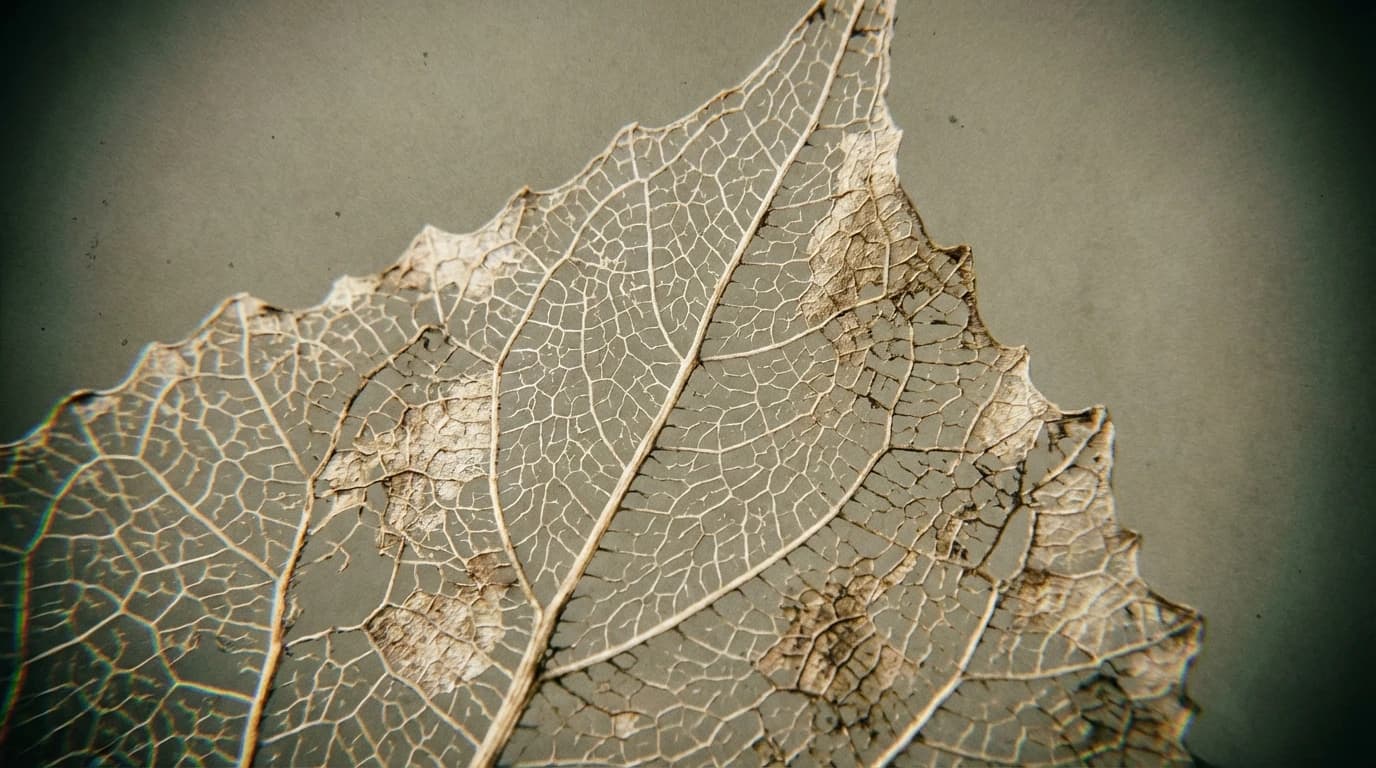
Deep within the damp soils of early spring, long before most green things dare to sprout, a quiet survivor pushes its yellow flowers through the frost. Coltsfoot is an ancient remedy, boiled for centuries to soothe winter coughs, yet the internal machinery keeping this resilient weed alive has remained a stubborn biological mystery. Botanists have struggled to trace the lineage of such hardy medicinal plants, their deep ancestry obscured by the slow, silent ticking of their cellular clocks.
These results were observed under controlled laboratory conditions, so real-world performance may differ.
The Hidden Mechanics of Survival
Understanding how a plant adapts to its environment requires looking far beyond its leaves, stems, and roots. The real answers lie coiled within its cells, specifically inside the mitochondria—the microscopic engines that power every biological process. These tiny structures carry their own unique DNA, completely separate from the primary genetic code found in the cell nucleus.
For plants in the vast Asteraceae family, tracing these genetic lineages is notoriously difficult. Their cellular components often behave erratically over long epochs, complicating our understanding of their origins. The lack of a comprehensive genomic map has left significant gaps in our knowledge of how these plants evolved.
Without a precise map of these cellular engines, researchers cannot accurately classify these species. Furthermore, they lack the baseline data needed to reliably identify these economically valuable lineages. The true biological history of coltsfoot remained hidden in the dark.
Mapping the Tussilago farfara mitochondrial genome
To resolve this blind spot, researchers recently isolated and mapped the complete Tussilago farfara mitochondrial genome for the very first time. They found a surprisingly stable genetic architecture spanning exactly 306,024 base pairs. This comprehensive assembly includes 33 protein-coding genes, three ribosomal RNAs, and 22 transfer RNAs.
The sequence revealed a cellular engine that has changed remarkably little over deep time. The researchers measured nucleotide substitution rates and found strong evidence of purifying selection. This evolutionary process actively eliminates harmful mutations, maintaining a slow evolutionary rate and a highly conserved internal structure.
Even more fascinating, the team found foreign parts inside the engine. The sequencing data identified 13 distinct fragments of DNA that originally belonged to the plant's chloroplasts. At some point in the distant past, these fragments migrated across the cell and integrated themselves directly into the mitochondria, proving that internal gene transfer plays an active role in plant evolution.
The analysis also compared this newly charted territory against other known plants. The data showed that coltsfoot shares a remarkably close structural relationship with Arctium lappa, commonly known as greater burdock.
A New Branch on the Family Tree
This highly detailed genetic schematic does more than simply satisfy botanical curiosity. It provides a highly precise baseline tool for species identification, helping botanists accurately distinguish this valuable plant from its evolutionary relatives.
By clarifying exactly where coltsfoot sits in the Asteraceae family, scientists can better track how these plants evolved over millennia. Based on this initial single-species assembly, the findings highlight a deeply conserved genomic structure that has quietly endured the test of deep time.
Future evolutionary studies will build on these sequences to map the broader genetic history of the daisy family. We can now look at these plants with a much deeper appreciation for their internal architecture.
- It provides a valuable genomic resource for precise species identification.
- It highlights the frequent exchange of genetic material between cellular organelles.
- It clarifies the complex evolutionary branches of the daisy family.
For now, the quiet yellow flower of early spring is no longer just an anonymous folk remedy. It is a fully documented survivor, its ancient genetic history read, categorised, and preserved.