Environmental Science13 April 2026
The Hidden Danger of Antimicrobial Resistance in the Environment
Source PublicationBundesgesundheitsblatt - Gesundheitsforschung - Gesundheitsschutz
Primary AuthorsPrüß, Guenther
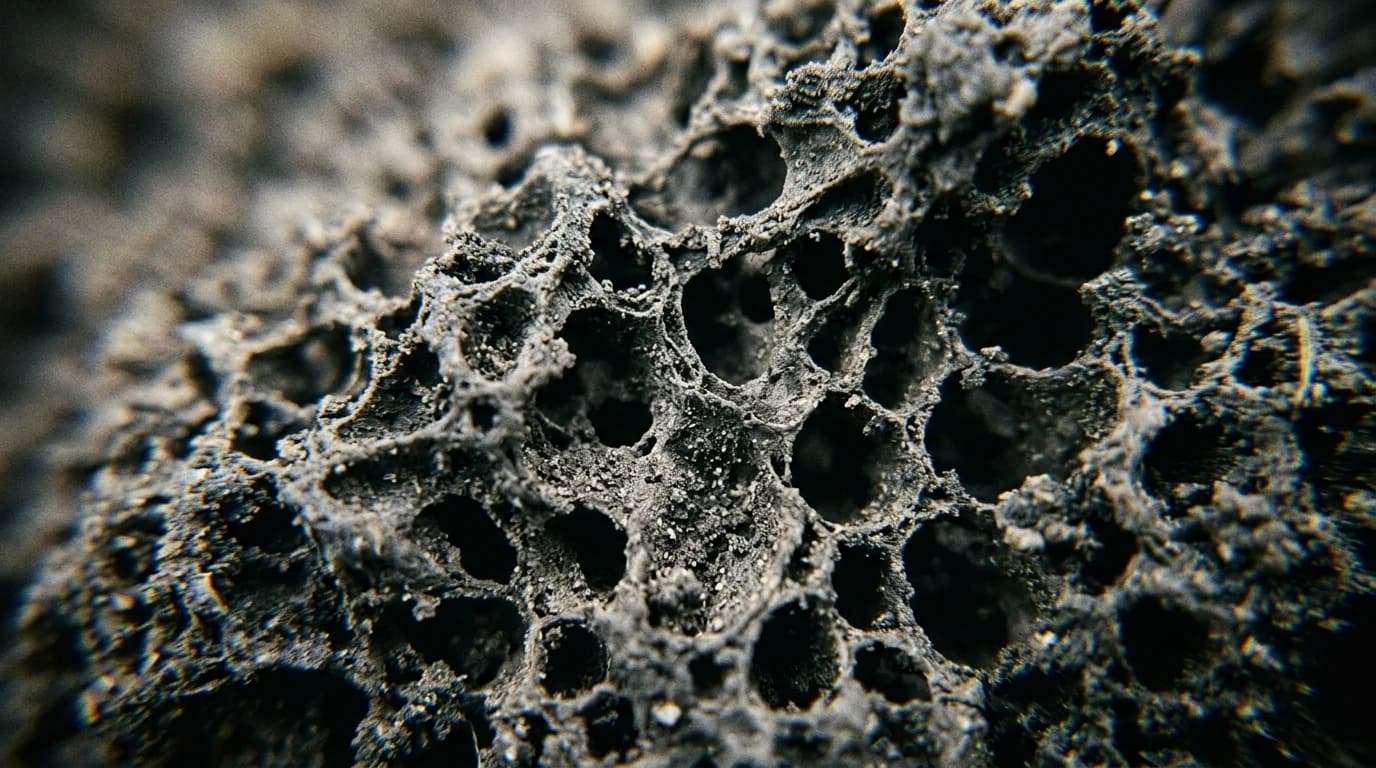
Imagine your immune system is a nightclub bouncer, but the troublemakers are practising their moves in the alleyway behind the club using discarded training manuals. This is exactly what happens when we flush medicine away.
The Great Environmental Leak
Antibiotics changed medicine, but they did not stay in the clinic. Every time we treat livestock or people, these chemicals leak into sewers and fields. This creates a massive, unintended experiment in natural selection.How Antimicrobial Resistance in the Environment Evolves
Research shows that resistance is not just about high doses. Even tiny amounts of drugs in wastewater act as a stressor. These low levels do not kill bacteria; they provoke them. The microbes adapt and swap genes to survive. Scientists measured concentrations in treatment plants and soil that exceed safe limits. These subinhibitory levels turn the soil into a training ground for superbugs. The bacteria organise themselves to resist the drugs we rely on most.The Global Impact
This issue affects more than just medicine. These resistant communities may change how soil and water process nutrients. This could trigger feedback loops that affect the climate. Meanwhile, floods help spread these bacteria further. Fixing this requires a global plan. If we ignore the soil and the water, we will lose the fight in the hospital ward. We must monitor our waste to protect our future.Cite this Article (Harvard Style)
Prüß, Guenther (2026). '[Development and spread of antibiotic resistance in the environment due to increased anthropogenic input of antibiotic residues and resistant pathogens].'. Bundesgesundheitsblatt - Gesundheitsforschung - Gesundheitsschutz. Available at: https://doi.org/10.1007/s00103-026-04223-9