The Hidden Architecture of Memory: What Synaptic Plasticity Looks Like in the Living Brain
Source PublicationNature Communications
Primary AuthorsRais, Wiegert
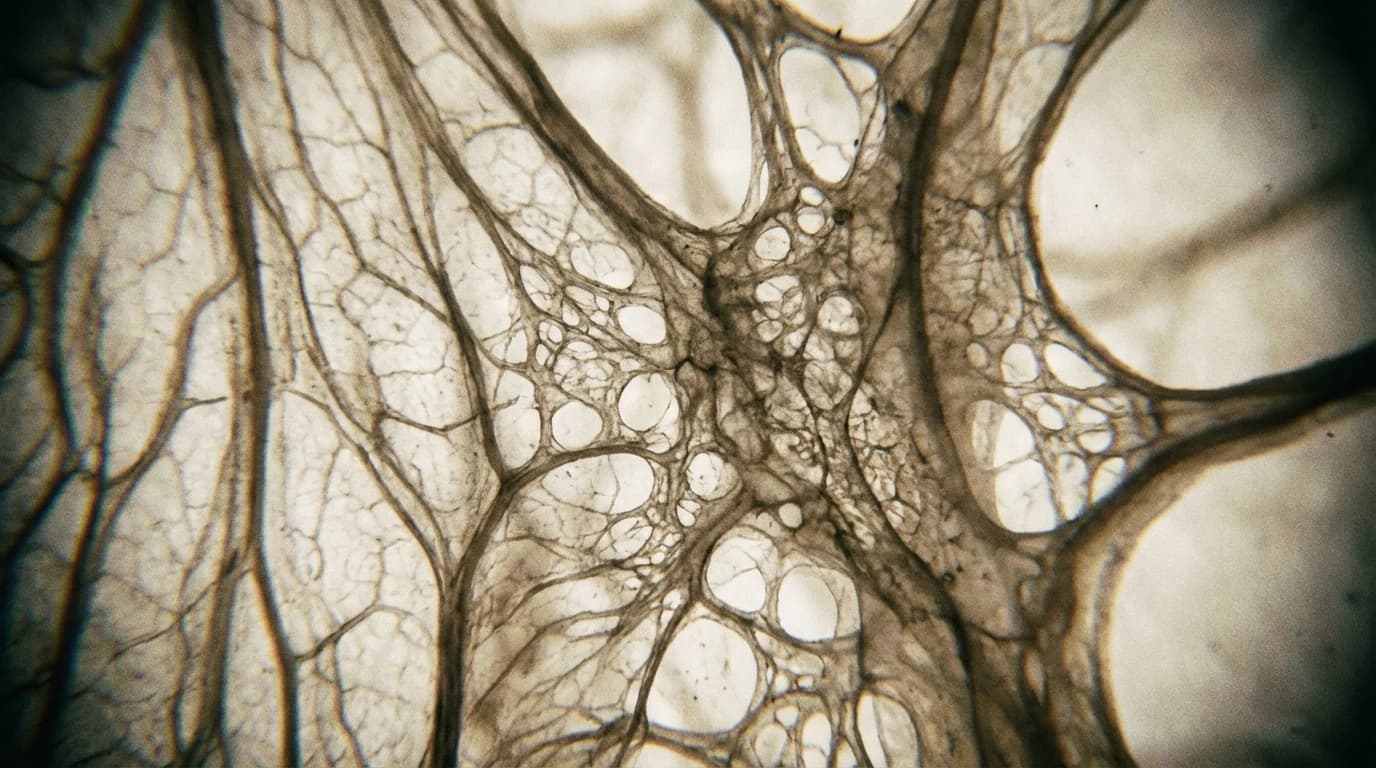
Every memory you hold dear is built on a foundation that is quietly dissolving. The physical matter of the brain is restless, constantly tearing down and rebuilding the microscopic bridges between cells.
These results were observed under controlled laboratory conditions, so real-world performance may differ.
If the hardware of the mind is in a state of perpetual flux, how does a vivid childhood recollection survive for decades? This physical fragility presents a profound biological mystery.
For a memory to endure, the brain must somehow balance relentless physical change with absolute functional stability. The mind is essentially a ship rebuilding its own hull while sailing through a storm.
Until recently, watching this delicate act play out inside a living, conscious mammal was entirely impossible.
The Mystery of Synaptic Plasticity
Scientists have long known that learning fundamentally alters the brain. This biological process, known as synaptic plasticity, allows neural circuits to strengthen or weaken based on daily experience.
Yet, the exact relationship between the physical shape of a connection and its electrical strength has remained hidden in the dark. Researchers could study dead tissue under an electron microscope or observe isolated cells in a petri dish, but the conscious brain kept its secrets.
We knew that synapses form, swell, shrink, and disappear over time. What we could not see was how these microscopic structures behaved over weeks of active, conscious life.
We lacked the tools to understand how a brain could constantly rewire itself without losing the very information it was trying to protect.
Watching the Brain Think
A recent experiment bypassed these limitations by looking directly into the memory centres of awake, head-fixed mice. For over two weeks, researchers repeatedly tracked individual dendritic spines.
These spines are the tiny, mushroom-shaped protrusions where neurons receive incoming signals. Using targeted bursts of light to stimulate specific cells, the scientists measured the calcium spikes that indicate a successful transmission of information.
They meticulously recorded how the physical volume of a single spine related to its functional strength. The measurements revealed that function directly predicts form in the living brain.
Spines that produced large electrical responses were physically larger and structurally more stable than their unresponsive neighbours. However, the researchers observed something entirely unexpected.
Over the course of a fortnight, the functional responses of individual, highly active synapses fluctuated wildly. The strength of a single connection spiked and dropped from day to day.
A Stable Branch in a Shifting Wind
If single connections are so erratic, how does any piece of information survive the passage of time? The study suggests that the answer lies in the collective architecture of the neuron.
While individual synapses proved highly variable, the researchers measured the overall input to the larger dendritic branch and found it remained remarkably stable. The branch itself appears to absorb and normalise the erratic behaviour of its individual parts.
While these observations are currently limited to specific memory circuits in mice, this discovery suggests several implications for how we understand the persistence of the mind:
- Memory may not rely on the absolute permanence of a single, isolated synapse.
- Dendritic branches could act as the true functional units that maintain long-term information.
- Neural circuits can preserve a steady flow of information despite the wild, day-to-day fluctuations of their microscopic parts.
The physical brain is not a static piece of hardware. It behaves more like a living, breathing forest where individual leaves constantly wither and grow, yet the heavy branches endure to hold the shape of the tree.