The Gut-Brain-Skin Axis: How Microbes Link Mental Health and Skin Conditions
Source PublicationGut Microbes
Primary AuthorsHawkins, Montgomery, Bokota et al.
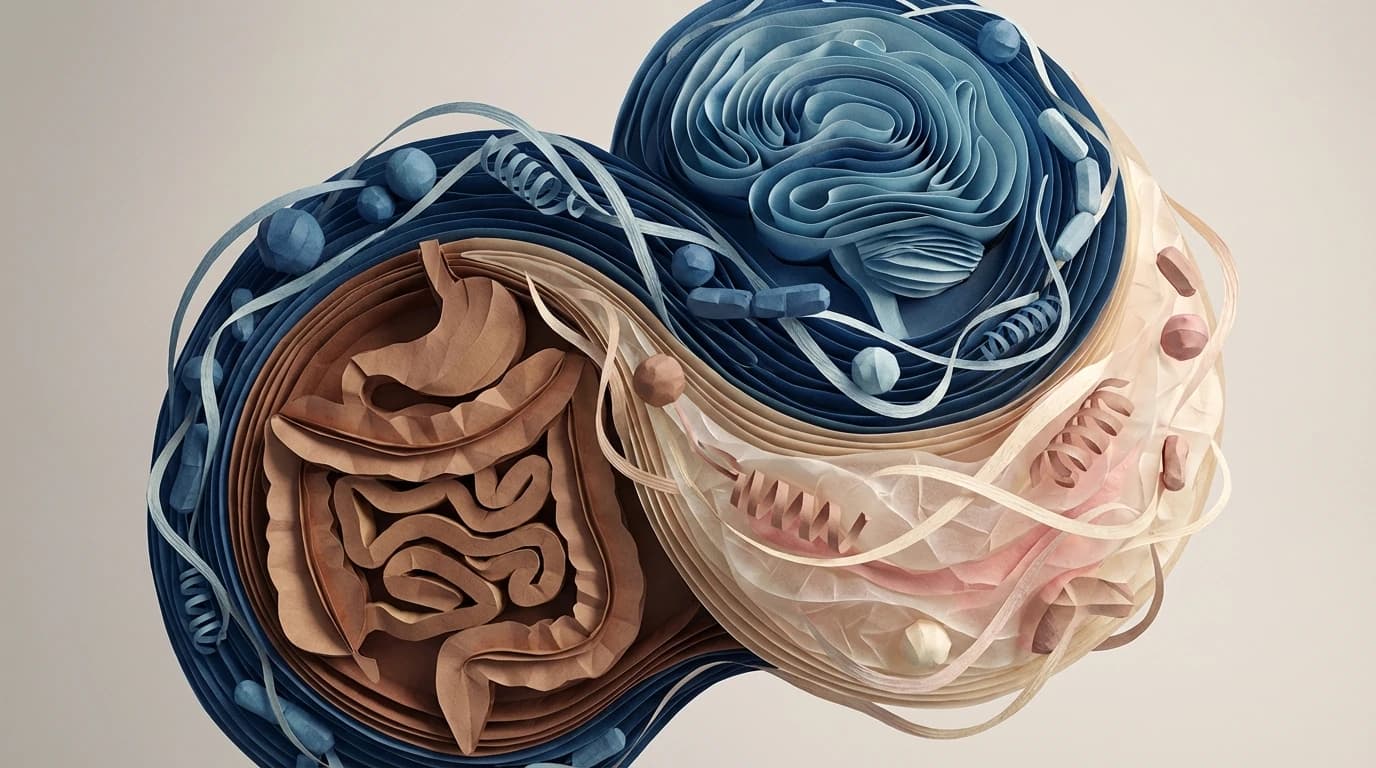
Have you ever noticed that periods of intense stress often coincide with skin flare-ups? Scientists are increasingly unravelling the biological basis behind the frequent co-occurrence of neuropsychiatric disorders—such as generalised anxiety disorder, depression, and autism—and dermatological conditions like psoriasis and eczema. The emerging evidence points strongly towards a 'gut microbiota-brain-skin axis'.
At the heart of this connection is gut microbiota dysbiosis, an imbalance in the complex bacterial ecosystem residing in your digestive tract. A comprehensive review of preclinical and clinical findings reveals consistent microbial shifts in patients suffering from these co-morbidities. Specifically, there is often a depletion of beneficial bacteria that produce short-chain fatty acids, such as Faecalibacterium and Roseburia, alongside disrupted ratios of major bacterial groups.
These alterations are not merely local digestive issues; they parallel a systemic rise in inflammatory mediators like interleukin-6 and tumour necrosis factor-alpha. Furthermore, this dysbiosis disrupts crucial metabolic pathways, including glutamate-GABA signalling. Experimental studies in rodents have bolstered this concept, demonstrating that inducing dysbiosis can directly provoke both psychiatric-like behaviours and cutaneous inflammation. Crucially, this suggests that targeting the gut with therapies like probiotics could offer a novel, integrated approach to managing both mental health and skin conditions simultaneously.