The Green Power of Trash: Why Biomass-derived Carbon Battery Materials are the Future
Source PublicationChemosphere
Primary AuthorsMelikoglu
The Power of Repurposed Waste
Imagine your battery is a crowded city metro system. Instead of building expensive new tunnels, you are turning old, abandoned basement corridors into high-speed transit lanes. This is the logic behind using organic waste to power our electronics.
The global demand for energy storage is skyrocketing, yet current systems rely on finite minerals that are difficult to extract. To meet green goals, we must find ways to build batteries using the circular economy. This means looking at what we throw away as a source of energy.
Optimising Biomass-derived Carbon Battery Materials
Researchers measured lithium-ion anodes made from bio-waste hitting capacities over 1000 mAh/g. Sodium-ion versions measured over 600 mAh/g. These biomass-derived carbon battery materials often maintain performance for 1000 to 3000 cycles without significant degradation.
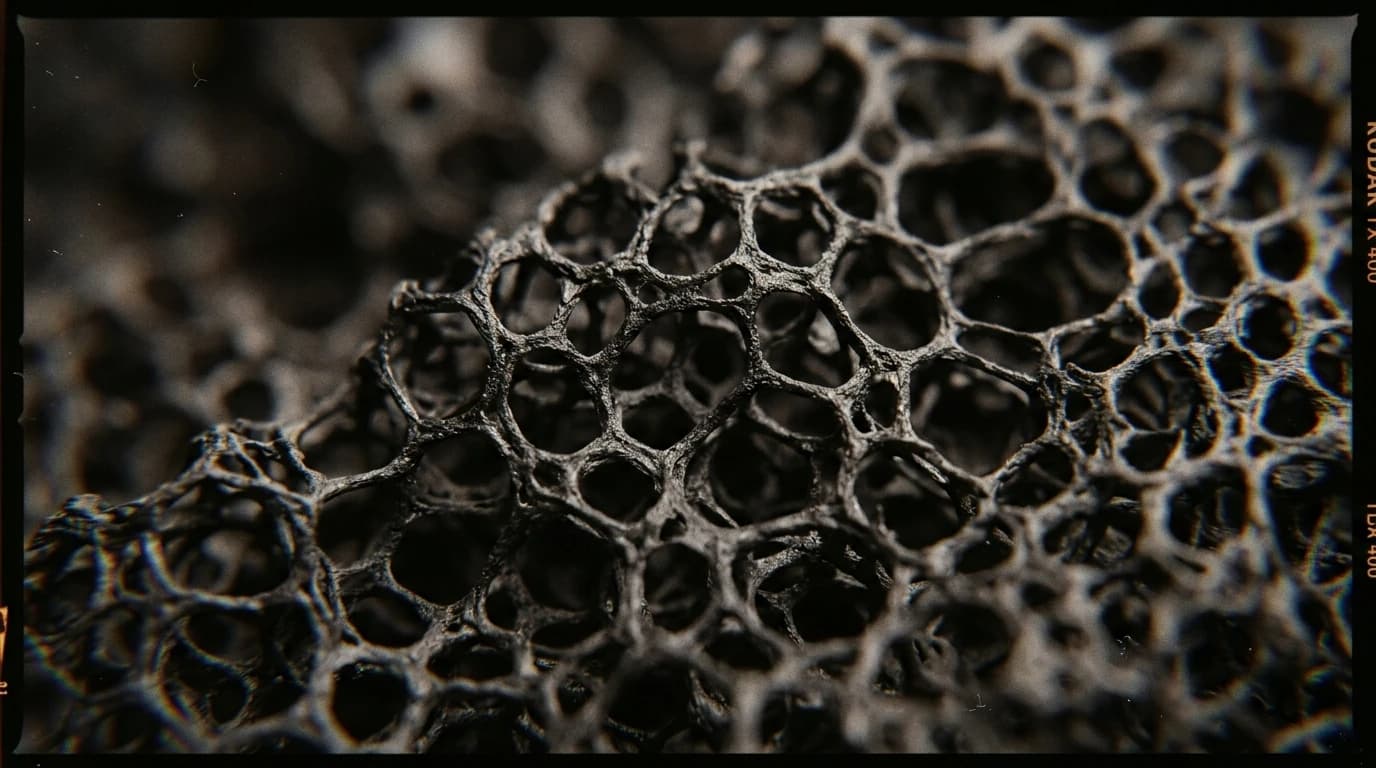
Scientists achieve this by using hydrothermal treatment to create tiny, hierarchical pores. This structure acts like a shock absorber, managing the physical expansion that usually breaks battery components during charging. Strategic doping with heteroatoms further improves how well the carbon carries a charge.
AI and the Future of Energy
The research introduces a strategic framework that uses artificial intelligence to find the best material recipes. This suggests we can customise carbon from diverse sources like rice husks or invasive plants to fit specific battery needs.
By linking materials science with life cycle assessments, researchers aim to make manufacturing scalable. This shift could move us away from rare minerals toward abundant, bio-based alternatives. The data suggests these materials could achieve stable capacities up to 1500 mAh/g, depending on the specific battery chemistry used.