The Future of Marine Monitoring: How Glowing Plastics Revolutionise Oil Spill Detection
Source PublicationEnvironmental Monitoring and Assessment
Primary AuthorsHijazi, Tahir, Salim
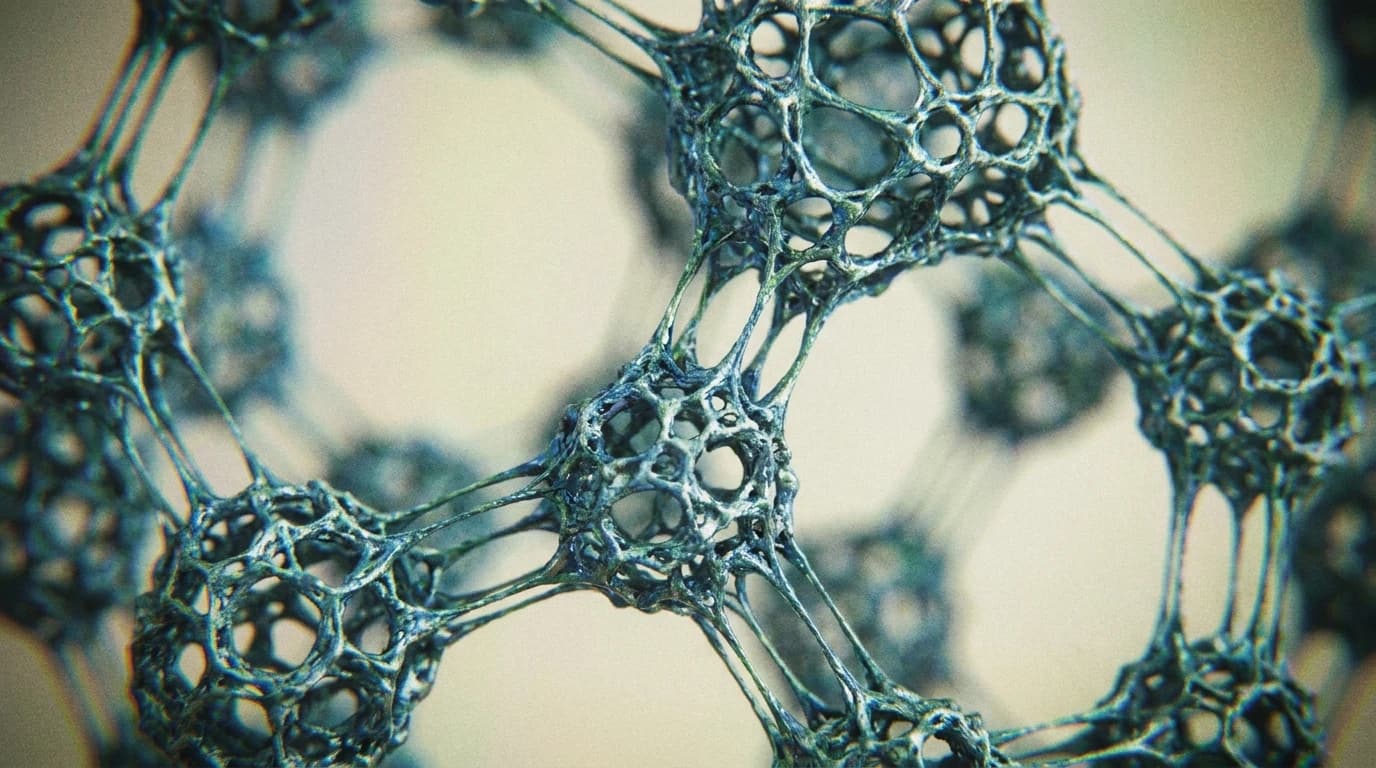
"Imagine pressing a toy car into wet clay, letting it dry, and removing the car. The clay now has a perfect, custom-shaped hole. If you drop a box of mixed toys over it, only that specific car will fit into the hole. Molecularly imprinted polymers work the same way, using a custom chemical shape to trap a single target."
The Challenge of Tracking Marine Pollution
For decades, progress in tracking marine pollution has faced a massive hurdle. Researchers and environmental responders cannot easily detect chemical threats or monitor the spread of toxic materials in real time. Current tests require heavy laboratory equipment, harsh solvents, and days of waiting. Without fast ways to spot these pollutants, conservation programmes struggle to assess damage in the field. We desperately need a simple, portable sensor that works anywhere. The future of environmental protection depends on finding better ways to track microscopic threats.
These results were observed under controlled laboratory conditions, so real-world performance may differ.
A Brilliant Leap Forward in Oil Spill Detection
The answer has arrived in a highly innovative form. Recently, materials scientists developed a new tool for oil spill detection in marine environments. They created a thin, flexible plastic film that acts as a highly specific chemical trap. When dipped into water, it actively hunts for dibenzothiophene. This is a persistent chemical marker left behind by crude oil. The film itself is made from a molecularly imprinted polymer. This means the material is specially moulded at the microscopic level to catch only one specific target.
In laboratory tests using untreated seawater samples, the results were highly impressive. The film ignored other similar aromatic chemicals and only grabbed the specific oil marker. Best of all, it did not need complex sample preparation or harsh solvents. Once the target chemical attached to the film, the plastic glowed brightly under a special light. This solid-state fluorescence allowed for instant, direct measurement. Because it is built on a standard flexible plastic base, it is perfectly suited for small, portable sensing units.
Adapting the Tech for the Future of Ecology
This is where the future gets incredibly exciting. The core technology behind this sensor is highly adaptable. If we can mould a polymer to catch an oil marker, we could theoretically mould it to catch a vast array of other chemical pollutants or ecological markers. This approach suggests a bright new path forward for environmental monitoring.
Imagine a field researcher testing a remote coastline for unseen contamination. They simply dip a strip of this smart plastic into the water. If the strip glows, they know the exact chemical is present. This real-time data could map out pollution zones instantly. Furthermore, it could completely alter how we evaluate environmental cleanup efforts. Conservation programmes could use these rapid sensors to see if a remediation strategy is actively reducing toxin levels in a marine ecosystem. It offers a direct, visual confirmation of success. The technology may ultimately bridge the gap between complex laboratory analysis and on-the-ground environmental defence. By rethinking how we track industrial chemicals, we might just find a faster, smarter way to protect our fragile oceans.