The first complete Epidendrum genome reveals how orchids survive extreme habitats
Source PublicationGenome Biology and Evolution
Primary Authorsde Mattos, Aecyo, Keepers et al.
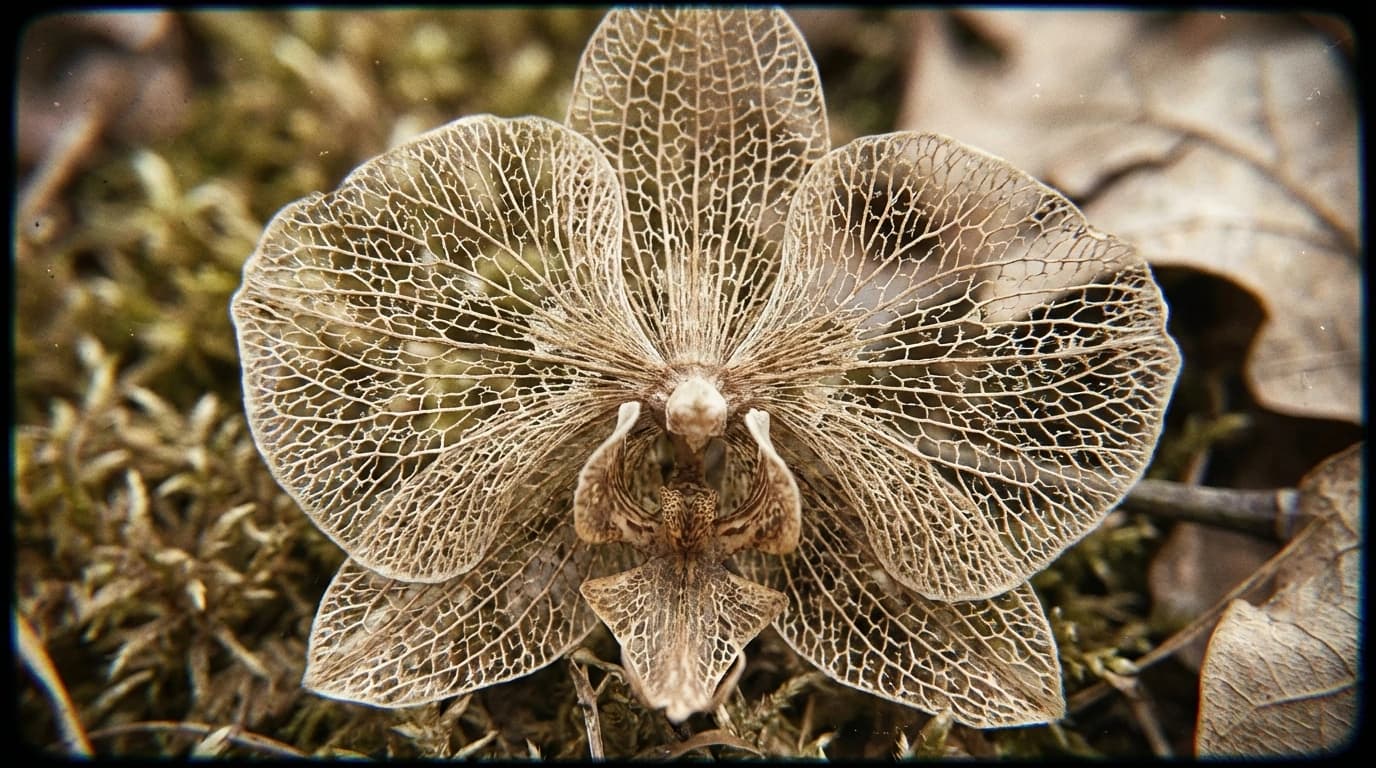
Researchers have finally assembled the first complete Epidendrum genome, mapping the exact genetic sequences that allow the Epidendrum fulgens orchid to thrive on barren Brazilian coastal rocks. Until now, addressing evolutionary and ecological questions within this genus proved exceptionally difficult due to a lack of publicly available genomic resources and DNA consisting largely of repetitive sequences.
These results were observed under controlled laboratory conditions, so real-world performance may differ.
Decoding the Epidendrum genome
The Epidendrum genus contains over 1,500 species scattered across the neotropics. These plants exhibit extraordinary physical and ecological adaptations, allowing them to survive in harsh habitats ranging from coastal sandbanks to inland granitic outcrops.
Historically, geneticists relied on older sequencing methods that chopped genetic material into tiny, isolated fragments, which computers then attempted to stitch back together. However, traditional techniques struggle severely with highly repetitive plant DNA. Because approximately 77 per cent of the E. fulgens genetic material consists of transposable elements, assembling such repetitive sequences with older methods typically yields highly fragmented results.
Long reads and intact chromosomes
To bypass these obstacles, the research team combined PacBio HiFi and Omni-C technologies. Rather than relying on short fragments, this modern approach reads extended, continuous stretches of DNA, allowing for a much more contiguous and accurate assembly.
The researchers successfully arranged the data into 12 chromosome-scale scaffolds, achieving an impressive N50 contiguity metric of 88.6 Mbp. This perfectly matches the 12 pairs of pseudochromosomes physically expected for the living plant.
The sequencing identified 30,830 protein-coding genes and captured 97.3 per cent of expected universal single-copy orthologs. A functional analysis of these genes measured specific expansions and contractions in targeted gene families over the plant's demographic history.
These genetic shifts strongly suggest how the orchid survives in nutrient-poor soils. The expanded and contracted gene sets are specifically linked to:
- Osmoregulation and cellular water retention.
- Cell cycle regulation and physical morphology.
- Broad environmental plasticity and stress response.
What remains unsolved
Despite this technical success, a single reference sequence does not explain the sheer diversity of the entire genus. The study measures the genetic structure of just one species, E. fulgens, leaving the genomic space of the other 1,499 species largely unexplored.
Furthermore, because this evidence is currently limited to a single reference strain, researchers must still investigate how these genetic traits operate across broader neotropical populations to fully confirm the family's wider ecological resilience.
Future botanical research
This assembly establishes a rigorous, high-quality baseline for neotropical plant genetics. Botanists can now utilise this intact chromosome map as a critical resource to investigate the origin and resilience of the neotropical flora.
The demographic data also tracked two distinct events of population expansion and retraction. This historical tracking provides a vital foundation for modelling how similar flora might adapt to shifting environments.