These results were observed under controlled laboratory conditions, so real-world performance may differ.
Engineers have successfully categorised a method to defeat commodity fraud by pairing artificial intelligence with the inherent randomness of polymer structures. Creating unforgeable security tags has historically failed because traditional barcodes, QR codes, and holograms rely on predictable, easily duplicated patterns. Now, researchers suggest that Physical Unclonable Functions could render counterfeiting exceptionally difficult to execute.
The Shift to Physical Unclonable Functions
Past security systems were entirely deterministic. If a fraudster understood the algorithm or the printing technique, they could clone the security tag with ease. This predictability left global supply chains vulnerable to massive financial losses.
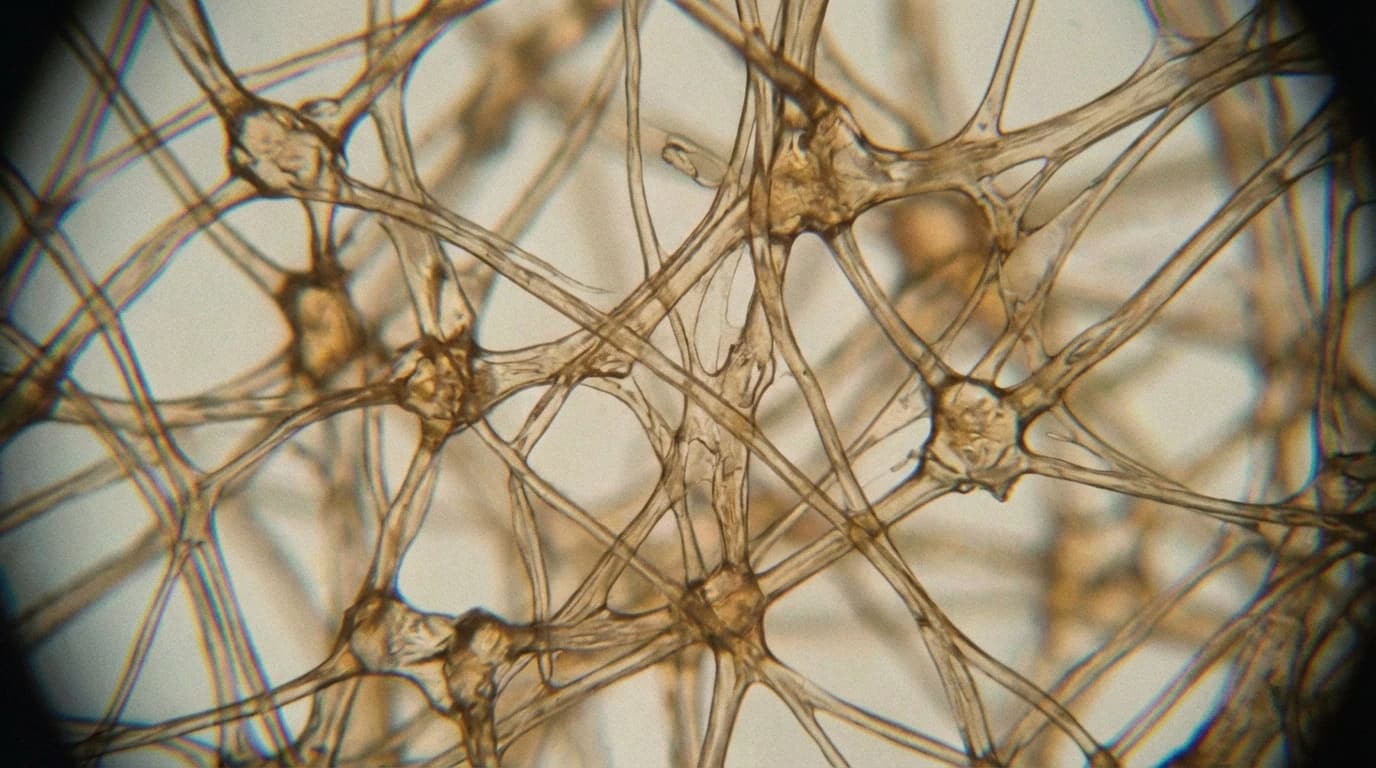
The new approach discards predictability in favour of physical chaos. Instead of printing a specific code, manufacturers allow polymers to form microscopic, random variations during production. These smart materials react to their environment, creating structures that are physically complex and entirely unique.
Decoding the Chaos
This recent review analysed how different chemical and physical reactions generate these unique identifiers. The researchers measured the effectiveness of several polymer mechanisms, including:
- Phase separation, where mixed materials naturally pull apart into random shapes.
- Wetting and dewetting, which leaves irregular droplet patterns on surfaces.
- Stress-induced wrinkling, creating unpredictable microscopic ridges.
Because these structures are physically complex, they cannot be accurately copied using conventional deterministic methods. The study measured how computer vision and machine learning algorithms read these microscopic polymer variations. By training deep learning models on these patterns, the system authenticates products securely and quickly.
What Remains Unsolved
Despite the brilliance of using random polymer morphology, transitioning from laboratory prototypes to mass commercialisation presents distinct challenges. Reading these complex microscopic patterns requires advanced computer vision infrastructure, meaning widespread adoption will demand sophisticated integration across global supply chains.
Fortunately, the materials themselves are robust. Unlike earlier security systems that degraded rapidly, these polymers offer inherent durability, flexibility, and resistance to environmental factors. This stability ensures that standard physical wear or temperature fluctuations will not easily alter a tag's unique signature, allowing the artificial intelligence to reliably authenticate genuine products over time.
Securing the Supply Chain
If engineers can streamline the reading technology and scale production, these polymer tags could secure high-value supply chains. The research suggests that luxury goods, healthcare products, and critical electronics may soon carry these microscopic fingerprints.
By shifting security from predictable codes to random physical structures, manufacturers raise the cost of forgery exponentially. It is a highly rigorous approach that replaces easily cloned holograms with true, computationally verified uniqueness.