The Ecological Impact of Microplastics: How Tiny Pollutants Become Floating Cities for Microbes
Source PublicationScientific Publication
Primary Authorsda Fonseca, Gaylarde, Gaylarde et al.
"Imagine a fleet of unsinkable cruise ships drifting across a vast ocean. Instead of passengers swimming alone and struggling to survive, entire communities can pack onto these ships, share resources, and safely reach distant shores together."
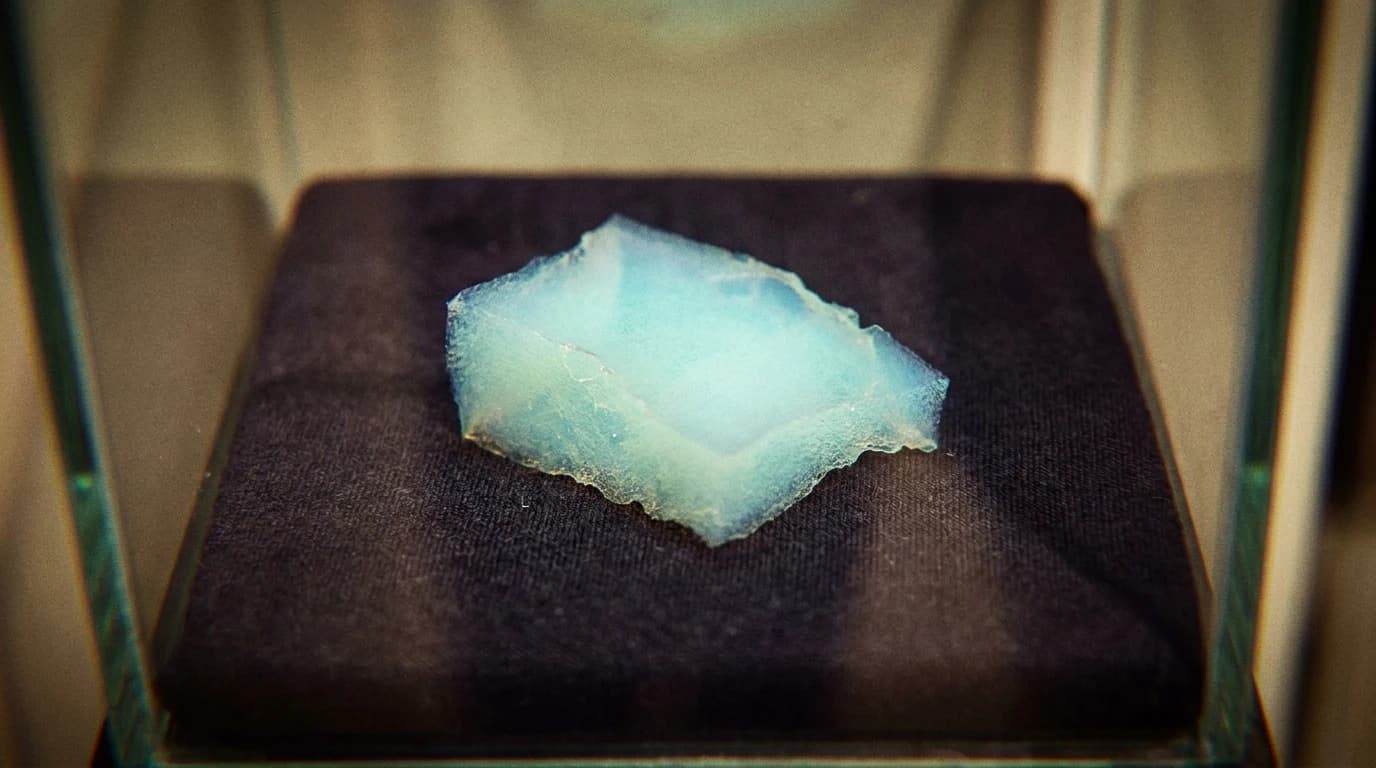
Imagine a fleet of tiny, unsinkable cruise ships drifting across a vast, empty ocean. On their own, passengers would struggle to swim across the cold, endless water. They would quickly run out of energy and sink. But on these ships, they can huddle together, build shelters, share resources, and safely travel thousands of kilometres to entirely new shores. If a storm hits, the sturdy hull protects them. If they need to work together to survive, the ship provides a stable floor to stand on.
In the natural world, marine microbes face a similar challenge. Oceans are massive, and single-celled organisms usually cannot travel very far on their own. They are limited by physical boundaries and harsh water conditions. But human pollution has accidentally provided them with billions of tiny, floating ships.
This brings us to a new scientific review that looks closely at the ecological impact of microplastics. Researchers propose that we need to stop thinking of tiny plastic fragments merely as toxic litter. Instead, they act as mobile biological safehouses. Scientists call this new living space the 'plastisphere'.
Understanding the Ecological Impact of Microplastics
When a tiny piece of plastic enters a river or ocean, it does not stay bare for long. Almost immediately, a sticky layer of biological matter coats the surface. This is known as an eco-corona.
Once this sticky layer forms, bacteria and other microscopic life forms move in. They build a tight-knit community. The plastic acts as a solid floor, giving these microbes a stable place to live, grow, and organise themselves into complex structures called biofilms.
How exactly does this change the environment? The researchers break it down step-by-step.
First, the plastic removes geographic barriers. Normally, a specific type of bacteria in a coastal bay stays in that bay. But if it attaches to a floating piece of plastic, then ocean currents can sweep it far out to sea, connecting habitats that were previously isolated.
Second, the plastic acts as a strict bouncer at a club door. The researchers call this 'ecological filter compression'. While the plastic allows microbes to travel great distances, only the toughest, most cooperative microbes survive the harsh ocean trip. The plastic selects for highly organised communities rather than lone, wandering cells. If a microbe cannot stick to the plastic or work with its neighbours, then it gets washed away.
What This Means for Global Ecosystems
The review suggests that these floating plastic homes could change how marine ecosystems function on a large scale.
Because these plastics connect habitats that were previously separated, they redistribute entire communities of microbes. Every microbe has a specific job, like breaking down carbon, recycling nutrients, or feeding larger organisms. If you move the microbes, you move their ecological functions.
The study did not measure these global changes directly in a lab. Instead, it reviewed existing data to build a new model. The researchers suggest that the widespread movement of these microbial communities might affect global carbon cycling and change how resilient our oceans are to stress.
By treating microplastics as moving habitats rather than just dead pollution, scientists can now test exactly how these tiny ships alter the biology of our waters.