The DNA Detective: Upgrading Marine Biodiversity Assessment
Source PublicationPensoft Publishers
Primary AuthorsCapa, Grosse, Martin et al.
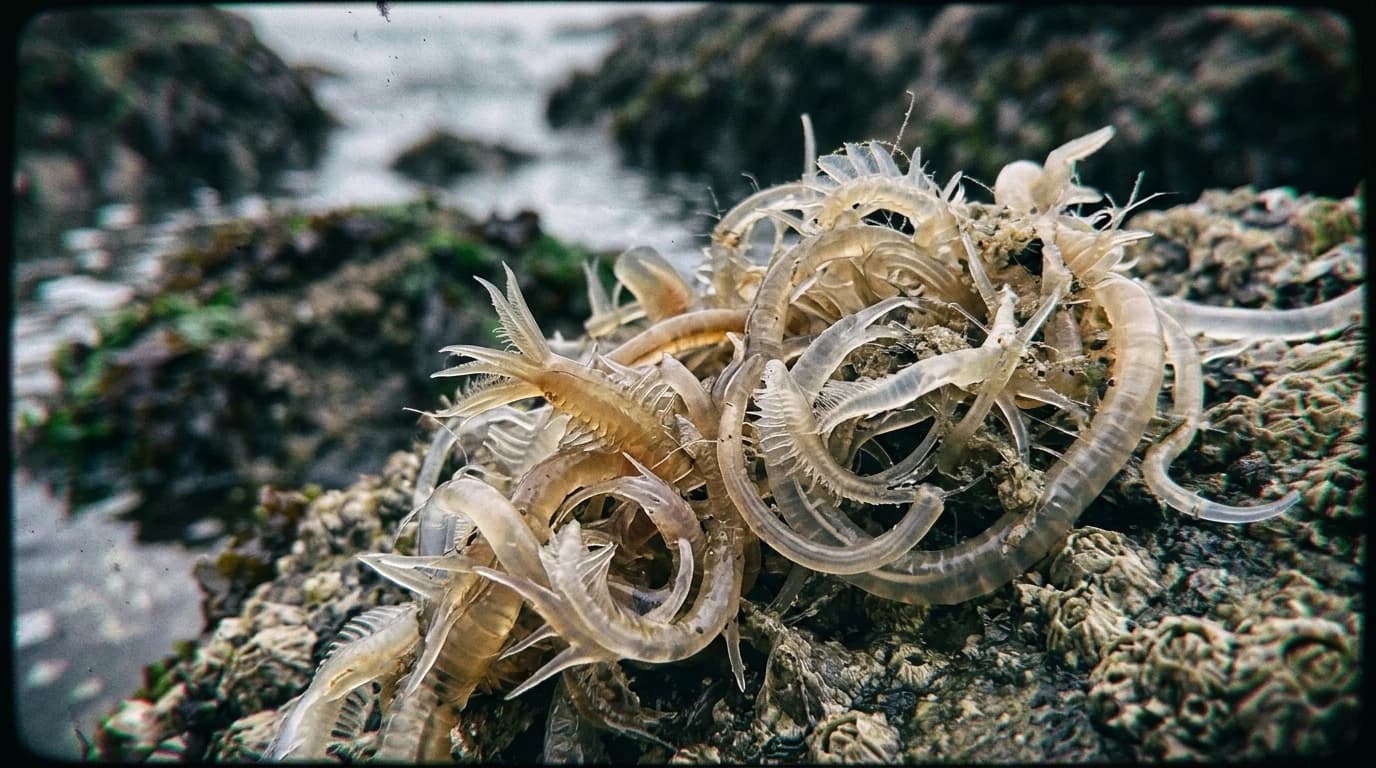
The DNA Detective
Imagine trying to identify every guest at a crowded gala by only looking at their shoes. You would miss the twins, the costume changes, and the gatecrashers hiding in the shadows. This is the challenge scientists face when performing a marine biodiversity assessment using only traditional tools.
Tracking ocean health requires knowing exactly which organisms live on the seabed. For decades, scientists have spent thousands of hours under microscopes identifying marine worms, known as annelids, by their physical traits. However, as human activity alters our oceans, these manual methods struggle to capture the full scale of biological change.
Researchers in the Mediterranean recently compared physical identification with two types of DNA sequencing. They analysed annelid samples from the busy, human-impacted Bay of Palma and the protected waters of the Cabrera Archipelago. While physical inspection identified 203 species, the integrated molecular data revealed up to 359 distinct genetic groups.
Improving Marine Biodiversity Assessment
The study found that physical checks often miss 'cryptic' species—creatures that look identical but are genetically different. The researchers utilised three primary techniques:
- Morphological taxonomy: Manual identification by physical features.
- DNA barcoding: Sequencing individual specimens.
- Metabarcoding: Bulk sequencing of entire environmental samples.
The data suggests that human-disturbed areas harbour more non-native species than protected zones. However, nearly half of the genetic signatures found could not be matched to a known name in existing databases. This gap indicates that future conservation must combine physical samples with high-speed sequencing to build better genetic libraries. Only by integrating these methods can we accurately monitor how marine life responds to human pressure.