The Digital Magnifying Glass: How Deep Learning Radiomics Predicts Cancer Treatment Success
Source PublicationJMIR Medical Informatics
Primary AuthorsLi, Liu, Wei et al.
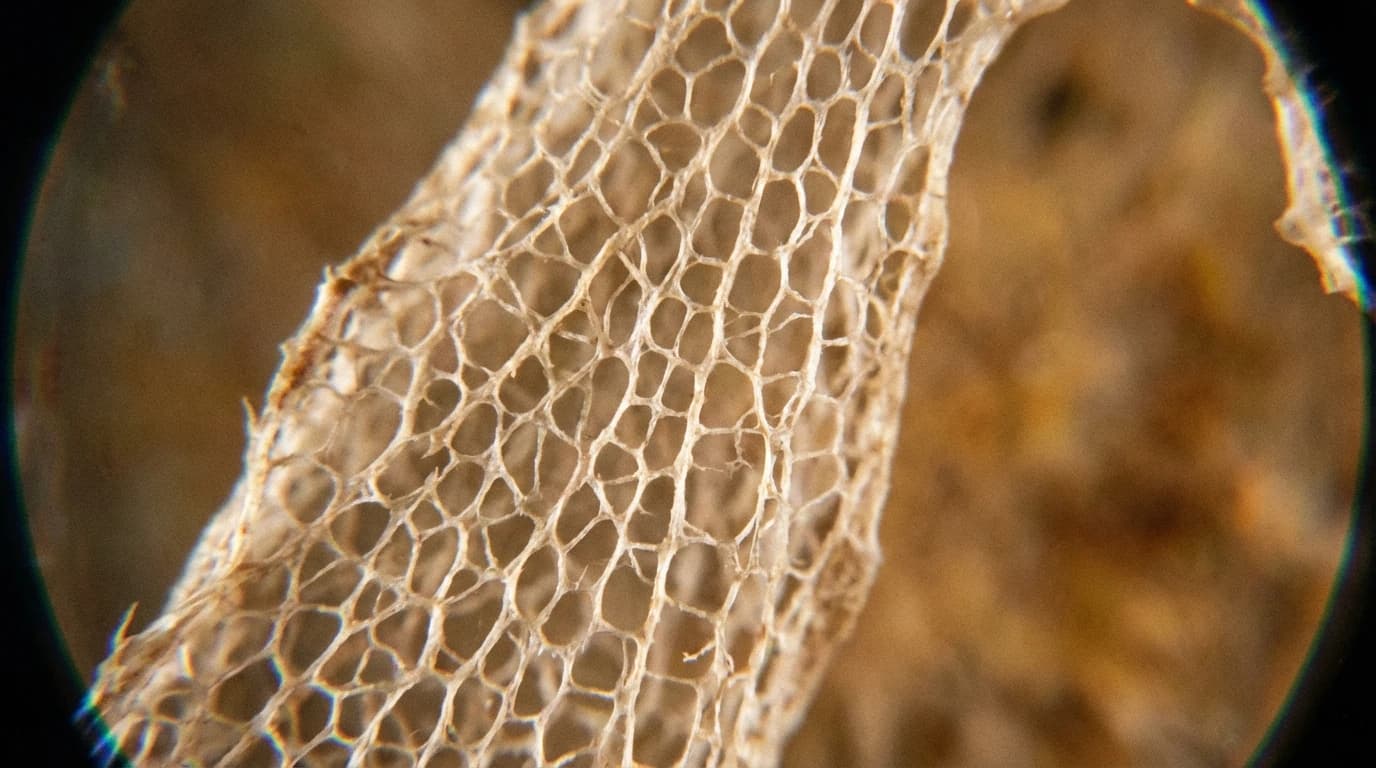
Imagine a mechanic trying to diagnose a faulty engine just by glancing at a grainy photograph of the car's exterior. It sounds absurd. But what if they had a digital magnifying glass capable of reading microscopic, invisible stress patterns in the paintwork?
In the medical world, this digital magnifying glass actually exists. It is called deep learning radiomics.
Instead of reading car paint, it scans medical images for hidden data points that the human eye simply cannot perceive. Now, researchers are applying this technology to predict how well rectal cancer will respond to radiation treatment before it even begins.
Treating rectal cancer is incredibly tricky. Radiotherapy is a standard medical defence, but every patient reacts differently.
Some tumours shrink beautifully under the radiation beams. Others stubbornly resist the treatment, meaning the patient endures severe side effects for very little medical reward.
Doctors desperately need a reliable way to look at a standard MRI scan and know, in advance, if radiation will actually work. This is exactly where deep learning radiomics steps in.
By feeding thousands of medical scans into advanced artificial intelligence, scientists hope to spot the invisible visual signatures of a stubborn tumour.
How deep learning radiomics spots hidden patterns
In a recent retrospective study, researchers gathered medical scans from 2,000 rectal cancer patients at a single centre. They wanted to see which AI architecture was best at predicting treatment success.
They tested three different models against each other. The clear winner was a 'Transformer' network—the exact same underlying technology that powers popular text tools like ChatGPT.
Here is how the system actually works in practice:
- First, the AI analyses a standard pre-treatment MRI scan.
- Next, it extracts thousands of mathematical features from the pixels, mapping the tumour's hidden textures.
- Finally, it compares these patterns to past patients, calculating the exact probability of the tumour shrinking.
The Transformer model measured an impressive 87 per cent accuracy on the independent test group. It significantly outperformed older AI designs at identifying which patients would have a good response.
The future of deep learning radiomics
This study suggests we could soon tailor cancer treatments with incredible precision. If an AI predicts a tumour will resist radiation, doctors could immediately pivot to surgery or different drugs.
Consequently, patients could skip ineffective treatments entirely. This would spare them from unnecessary toxicity and save valuable time.
The researchers also tested combining CT scans with the MRI data to see if more information helped. Interestingly, the MRI-only approach was already highly effective, and adding CT data offered only a modest benefit.
Of course, this was a single-centre study. Before it enters your local hospital, the system needs extensive testing across multiple clinics to ensure it works on diverse populations.
Still, the results indicate that our standard medical scans hide a wealth of untapped secrets. We just needed the right digital magnifying glass to read them.